
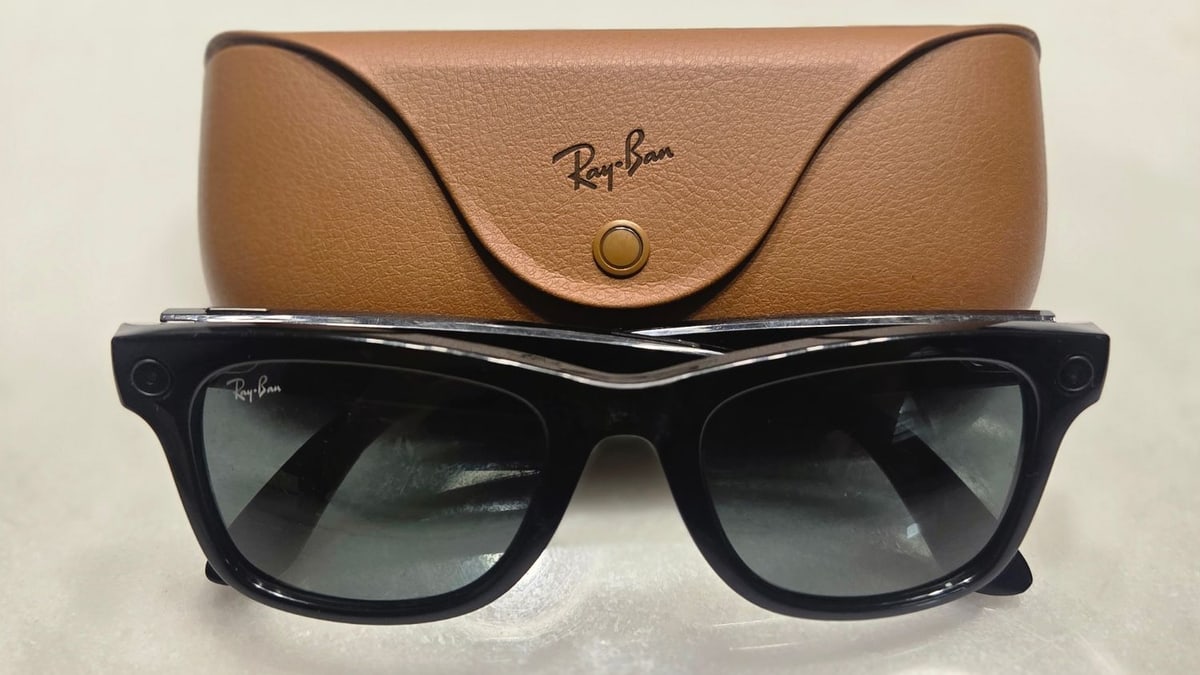
Norway's government said on Monday, Oct. 5, that it will propose a temporary ban on wearing AI glasses in selected places, such as parks, beaches, schools and doctors' offices. The government means glasses with a built-in camera, sometimes with sound recording or AI features too, which let the wearer photograph, film or record the people nearby without them knowing. "I am worried that new, powerful technology is being introduced where people risk being photographed, filmed or audio-recorded without knowing it," said Torgeir Micaelsen, Norway's minister for digitalisation and public governance.
The government lists three kinds of places the ban could cover. The first is places the public regularly passes through, such as parks, beaches, museums, shopping centers, amusement parks and sports, music and cultural events. The second is places for children, such as schools, kindergartens, playgrounds and youth clubs. The third is places where privacy matters most, such as hospitals and other health facilities, including doctors' offices, and swimming pools, gyms and other places with changing rooms and showers. The government will also consider including universities and colleges, and it plans exemptions for vulnerable groups and for limited uses that benefit the public, without yet saying who would qualify.
It is not a total ban. The government says people could still use the glasses for purely private purposes and in places where they do not risk filming or photographing others without their consent. It has also not settled which devices the ban would cover: glasses with a camera and sound recording, glasses with a camera and AI features, or other devices worn on the body that can film, record sound or use AI.
For now it is a plan, not a law. The government calls the work a high priority and says it will bring a bill to the Storting, Norway's parliament, as quickly as possible. Norway's government does not have a majority in parliament, so it will need support from other parties to pass the bill. At the same time, an expert group will study the problems raised by cameras, microphones and other technology worn on the body and advise on permanent national rules. Micaelsen says the temporary ban buys time for that study and for an informed public debate.
The government has not said when the bill will be ready, how long the temporary ban would last, how it would be enforced or what penalties wearers would face. It has also not said which vulnerable groups would be exempt.