
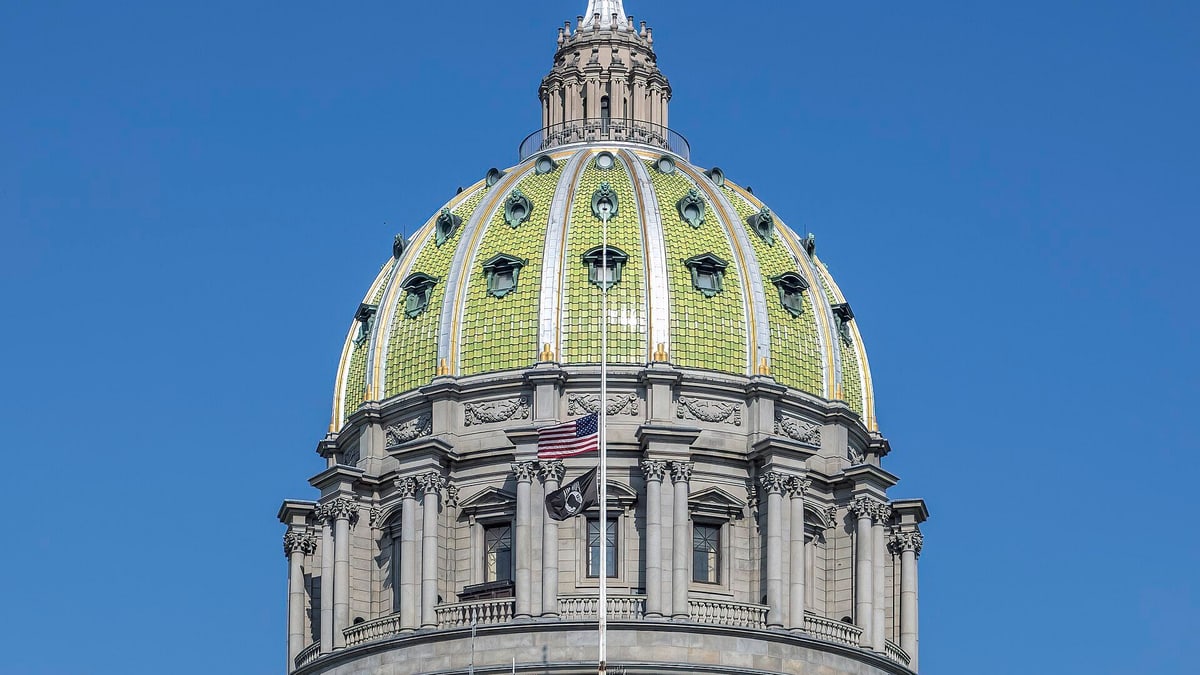
Pennsylvania's legislature on Wednesday, Oct. 7, gave final approval to a bill that would require advertisers to label AI-made content that misleads shoppers. Senate Bill 806, which the bill calls the Artificial Intelligence Deceptive Advertising Act, passed the state Senate 48 to 2 in June and the House 163 to 40 on Wednesday, and now goes to Gov. Josh Shapiro. A release from its lead sponsor, state Sen. Nick Pisciottano, says the governor is expected to sign it and that it puts Pennsylvania among the first states to set such rules. California Gov. Gavin Newsom signed a law last month requiring ads that use AI-made performers to say so, according to a news report.
The bill does not ban AI in advertising, and it does not require a label on every ad made with AI. It covers images, video and sound that AI has made or significantly changed, and it applies only when an advertiser knowingly, recklessly or willfully uses that content in a way that creates a false impression about the nature, origin or authenticity of what is being sold. In that case the ad must say plainly that it contains content made or modified with AI. A label does not protect a misleading ad from other legal action, the bill says. The sponsors give an example: an AI-made picture that could lead people to believe they are seeing the actual product would need the label.
The bill spells out what a clear label means. A spoken notice must be loud and slow enough to hear and understand, a notice on screen must stay up long enough to read, and the label must appear in the same form as the AI content, as soon as that content appears, every time it is shown. Where it is technically possible, the label must be permanent or extremely hard to remove. Content that is obviously fiction, parody, satire, commentary or criticism is exempt, and so are ads that are text alone.
The state attorney general or a local district attorney could go to court to stop an ad and bring a civil case, and a court could fine an advertiser up to $3,000 for a violation, plus legal fees and court costs. The bill gives shoppers no right to sue on their own; only those officials can bring a case. The rules would take effect 60 days after the bill becomes law.
NetChoice, a trade group whose members include online platforms and advertising services, urged a House committee to reject the bill in written testimony on Oct. 4, three days before the vote. It argued that deceptive advertising is already illegal under Pennsylvania law however it is made, and that rules this detailed "risk overwhelming short videos, small display ads, and audio spots" and would push advertisers to label truthful ads too.
It is not yet clear when Shapiro will act on the bill. It is also not clear how courts would decide when an AI change counts as significant, or when an ad crosses from polished to misleading, the line that decides whether a label is needed.