
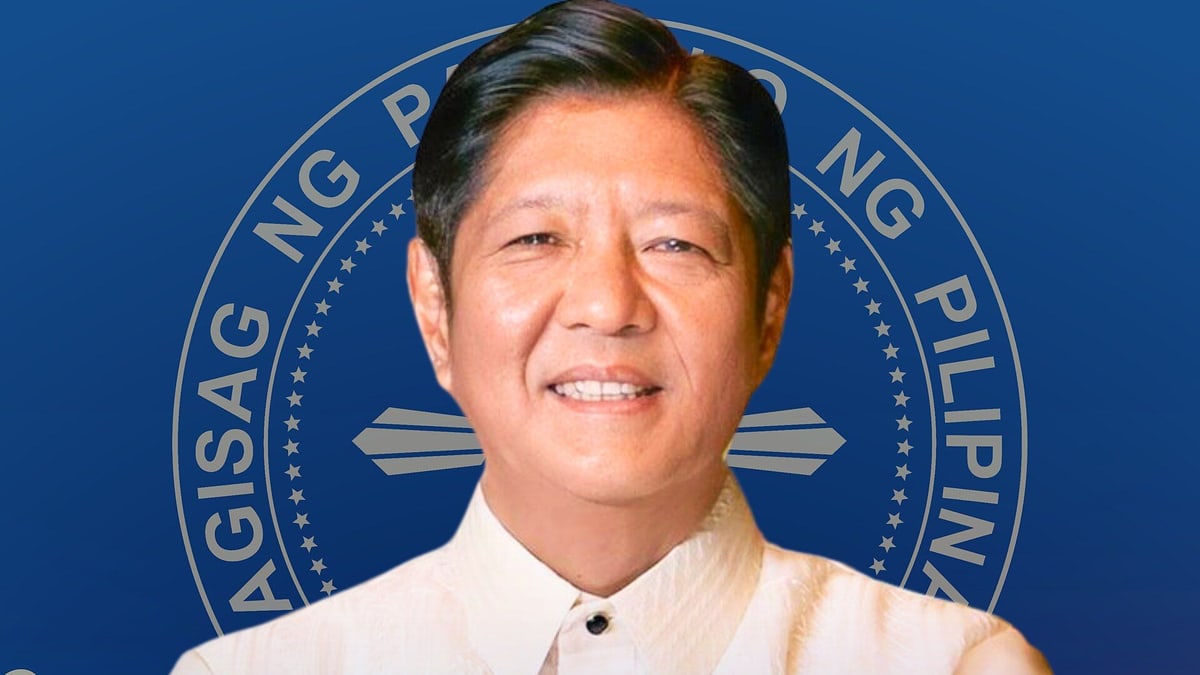
Philippine President Ferdinand Marcos Jr. signed Executive Order 131 on Nov. 12, and his press office announced it on Saturday, Nov. 14. It took effect on publication, and the government's official journal posted it the same day. The order adopts the AI Governance Framework, a set of principles and plans that a government innovation council approved earlier, as the national guide for AI policy and creates a National Artificial Intelligence Council to coordinate and track that work. Claire Castro, the palace press officer, said the president wants one direction and clear management for how AI is used and developed in the country, and wants AI to bring real benefits to workers, businesses and communities.
The framework has four parts. The first is a set of principles: AI should be transparent and explainable, safe and secure, accountable, centered on people, fair, and sustainable. The second covers technical standards, testing and other ways to check that an AI system can be trusted. The third says oversight should match how risky a use of AI is, and that it may include general and industry guidelines, reviews of an AI system's likely effects, supervised trial programs for new AI uses, a review of existing laws, and ways for people to file complaints. The fourth covers the institutions, data, research, skills, infrastructure and investment needed to build and use AI.
The council reports directly to the president. The executive secretary, Ralph Recto, chairs it, and the secretary of economy, planning and development is vice chair. Its members are the secretaries for information technology, science, trade, finance, education, labor and the budget, the heads of the higher education and vocational training agencies, and one private-sector member the president picks from business groups' nominees. Five working groups will draw up action plans on institutions, data and research, skills, infrastructure and investment. The infrastructure group's plans must also work the energy and water that AI computing needs into national resource planning.
The order directs the national government agencies involved, state-owned companies included, to support the council, and only encourages local governments, businesses, universities and civic groups to do so. It puts no specific rules or penalties on companies, and it says the existing regulators of each industry keep their powers. The council can recommend new laws, regulations, spending and tax measures and other policies to the president, both to speed up the use of AI and to protect workers and students whose jobs or schooling AI changes. It can also give policy direction to agencies within their existing powers and issue guidelines for carrying out the order, within existing laws and rules. Agencies must report their progress every quarter, and the framework is to be reviewed at least every two years. At first, the council runs on its member agencies' existing budgets and any other funds the budget department finds.
The order builds on a national AI strategy the government approved in May 2025. It gives no dates for the working groups' plans or for any guidelines, so it is not yet clear what rules, if any, companies that build or use AI in the Philippines will face, or when.