
The White House said on Thursday, Oct. 8, that eleven tech companies have pledged $2.4 billion in AI tools and computing credits to the Genesis Mission, the federal program that puts AI to work on scientific research. The pledges, announced at a White House science summit in Washington, will support more than 15 federal agencies working on a list of national science and technology challenges in areas such as energy, health and space. For scientists, the promise is access to AI models and to the computing power needed to run them.
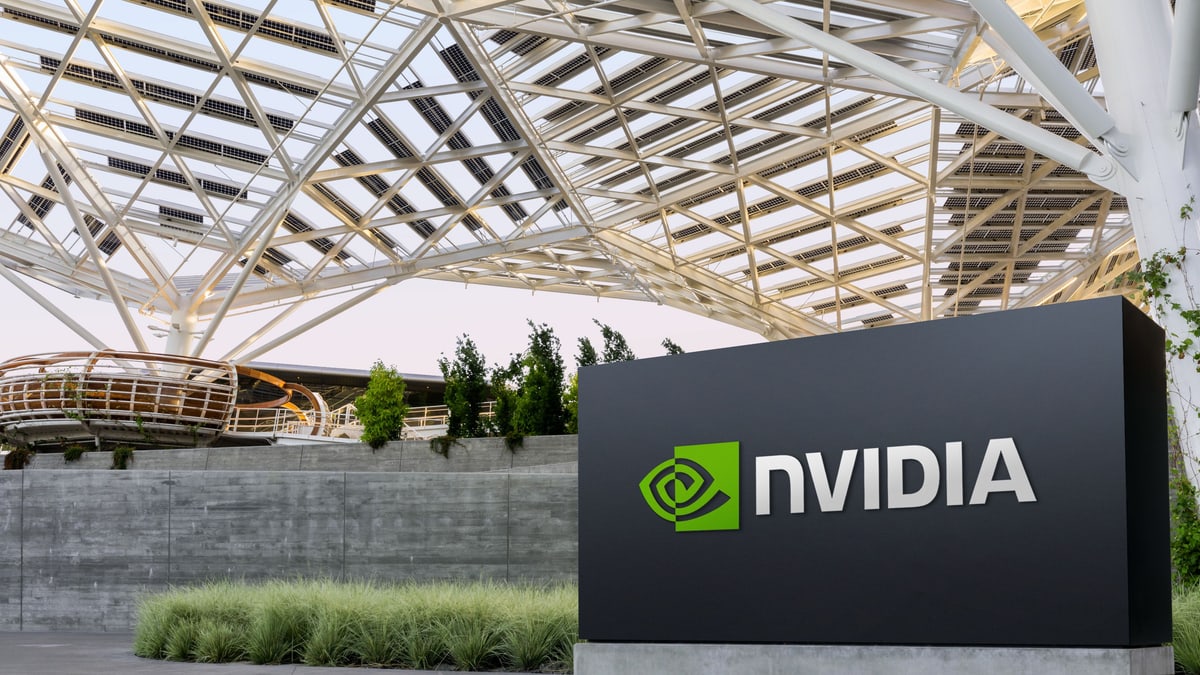
NVIDIA pledged the most, at $1 billion, followed by AMD with $500 million and OpenAI with $200 million. Anthropic and Google each pledged $150 million, AMP and Emerald AI $100 million each, and Amazon Web Services, Armada, Crusoe and Micron $50 million each. The pledges follow a $5 billion federal commitment the White House announced in July, when the program grew to more than 15 agencies.
The companies describe different kinds of help. NVIDIA says its $1 billion runs over five years and covers support for university research, investments in quantum computing and support for cloud providers that serve government needs. Anthropic says its $150 million runs over three years and will make its Claude AI available to more than 15 agencies in the program, including NASA, the National Institutes of Health and the National Science Foundation. It says several hundred research projects will get Claude, its Claude Code coding tool and credits to use them, and that it will train and support the scientists on those projects. According to a news report, OpenAI's $200 million comes as discounts on using its AI and training programs for scientists.
The same day, the Department of Energy announced 12 new project awards totaling $159 million, including a project led by Commonwealth Fusion Systems to build a detailed computer copy of a fusion demonstration machine called SPARC, so its operation can be tested and tuned in simulation. The department says these awards complete a first-year group of 297 projects in the program. The White House put the value of all the day's science announcements, from government, industry, universities and philanthropic donors, at more than $6 billion.
The White House describes the $2.4 billion as AI tools and computing credits, and none of the announcements say how a dollar value was put on them or who decides which projects get them. It is also not yet clear how much of the help is new, rather than an extension of work some of these companies already do with the national labs.