
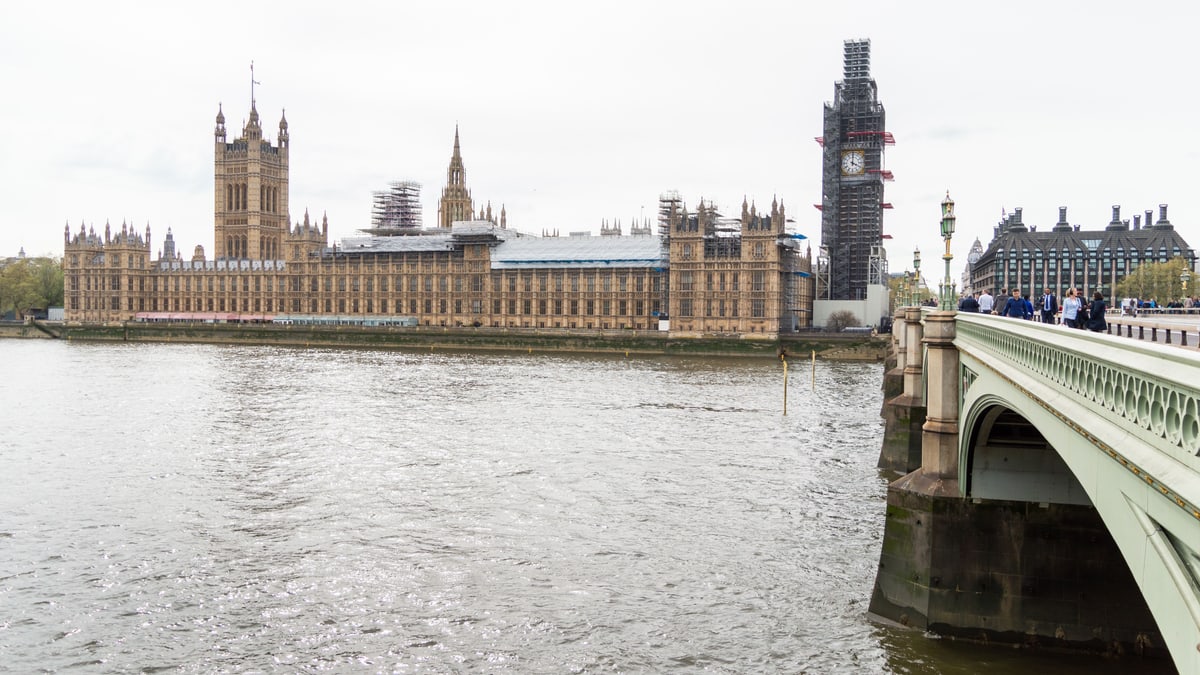
A committee of the UK's House of Commons says Britain leaves its most important AI safety decisions to the companies that build the most advanced AI. In a report published on Wednesday, Nov. 18, the Business, Innovation, Science and Trade Committee concludes that no UK regulator or public authority can impose safeguards on those systems, pause their training, delay their release or withdraw unsafe services. It held hearings with AI researchers, former industry employees and senior representatives of OpenAI, Google DeepMind, Anthropic and Meta.
The committee, whose members come from Labour, the Conservatives and the Liberal Democrats, wants a new regulator set up by law, separate from the government's AI Security Institute. The institute tests AI models but does not approve or reject their release. The committee wants the new regulator to have legal powers to pause risky training and testing, delay or prohibit a model's release, and suspend services whose risks can't be controlled. In set circumstances where the government has significant concerns about an AI model, the report says, it should be able to delay, restrict or prohibit the model's release, training or testing in the UK. The regulator could also demand access to models once set thresholds are met, plus access to logs and training results, with penalties for unreasonable delays or refusals.
The report says the institute can test the most advanced AI only when companies agree to let it. In September and October, the report says, Anthropic, OpenAI and Google all at first held back their latest models from the institute's testing until U.S. testing was finished, reportedly at the U.S. government's request. Testing has since resumed.
The government has committed to AI safety rules but, the committee says, has not produced a clear set of laws for them. As a first step, the committee wants the government to bring in a proposed law, an AI Safety and Security Bill, in Parliament's next session. Its other recommendations include mandatory reporting of serious AI incidents and near misses, and a rule that makers of systems designated as high-risk back up their safety claims and give outside testers the access to examine them. AI company workers would be able to report concerns to the regulator in confidence, with lawful reports protected even where their contracts have confidentiality clauses. Where the UK has the legal power to act, the committee wants outside experts to examine high-risk open-weight models before release. These are models whose trained files are published, so anyone can download them and run them on their own computers. Once such files are widely copied, the report says, recalling every copy may be technically impossible.
"We cannot give today's AI leaders unfettered freedom to behave like modern-day Dr Frankensteins, creating dangers beyond anyone's control," said Liam Byrne, the committee's chair. The companies differed on the institute's future. Google DeepMind told the committee that the institute's strength is that it is not a regulator, and warned that turning it into one could change its open relationship with the companies. Meta said the institute should be set up in law and funded to test advanced models. The committee's plan leaves the institute as a tester and puts the new powers in a separate body.
The report is advice to the government, not law. It also says UK laws alone will not secure access to models built abroad, and most of the most advanced models come from companies based in the United States and China. It asks ministers to say in their response which new laws should come first. Some parts, such as who is liable when AI causes harm, must wait for findings from the Law Commission, an independent body that recommends changes to the law. The committee also wants the UK to make an international agreement on AI safety a centerpiece of its G20 presidency in 2027. The report is the first in the committee's longer inquiry into AI.