
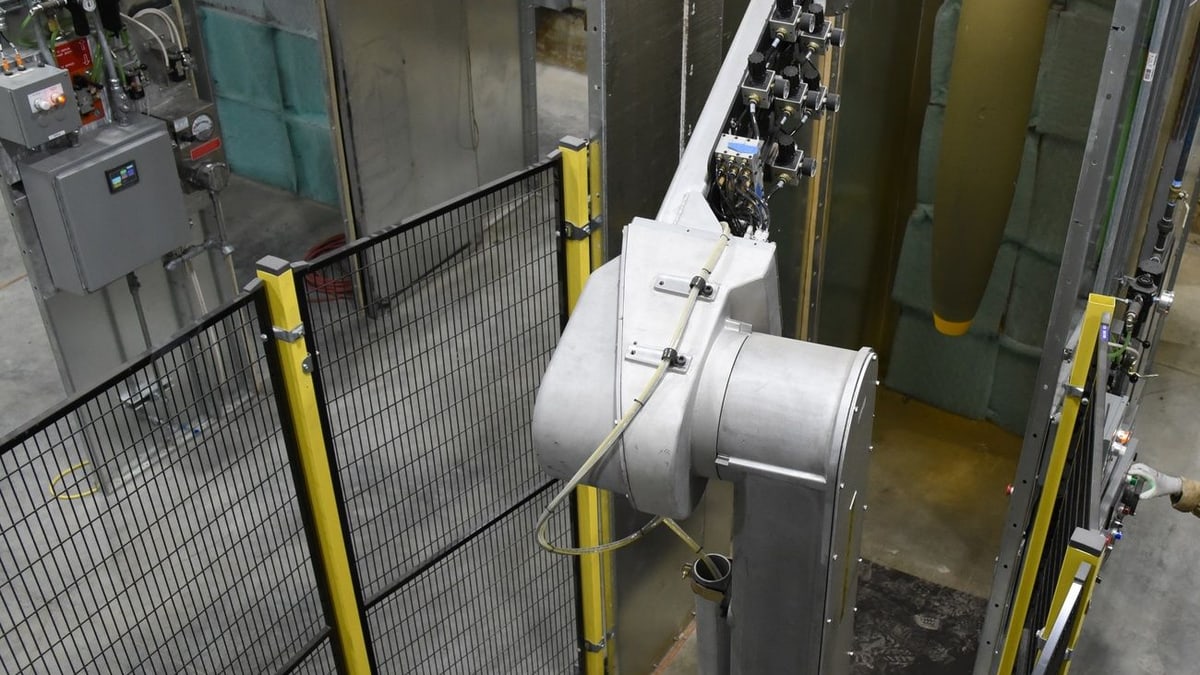
President Donald Trump on Wednesday, Oct. 28, signed a proclamation agreeing with the Commerce Department that robots, industrial machines and their parts are coming into the United States in amounts and ways that threaten to weaken national security. It stops short of tariffs. Instead, it tells the Commerce Secretary and the U.S. Trade Representative to negotiate agreements with trading partners and to update the president within 180 days.
The proclamation rests on Section 232 of the Trade Expansion Act of 1962, a law that lets the president limit imports once his administration finds they threaten national security. Under it, he can start with talks and add tariffs or quotas later. The White House says Trump has used it since returning to office to set or raise tariffs on goods such as steel, aluminum, copper, cars, trucks, lumber, chips, medicines and drones. The proclamation says the president may consider tariffs, quotas and fees later, depending on how the talks go, and may also consider a program to encourage companies to build robots and machinery in the United States. The law also lets him take other steps if no agreement is reached within 180 days, or if a deal isn't kept or doesn't work. Meanwhile, the Commerce Department will keep watching robot and machine imports and tell the president if it thinks more action is needed.
Commerce opened its investigation on Sept. 2, 2025. It covered robots and programmable, computer-controlled machines, from cutting and welding tools to industrial stamping presses; drones were handled in a separate investigation. According to the proclamation, the department found that the country relies on imports for most types of robots and industrial machinery and produces less than it uses, despite a recent surge in factory investment.
The department also found that robots and machines from certain foreign sources pose security and safety risks. These machines are built into factory and defense systems and routinely handle sensitive data, and the proclamation says foreign-sourced ones can open serious cybersecurity weak spots. It does not name a country or a company. It says the defense industry uses robots and machines to automate building missiles, aircraft and ships. Robots also help the U.S. military with scouting and with dangerous jobs such as finding and clearing mines and pulling wounded troops to safety. Among them are four-legged robots, self-driving ground vehicles and humanoid robots, which are built in a human shape.
The proclamation itself sets no new tariff on robots or factory machines. It is not yet clear which trading partners the talks involve (some may already be under way), what any agreement would require, or whether tariffs will follow and how high they would be.