
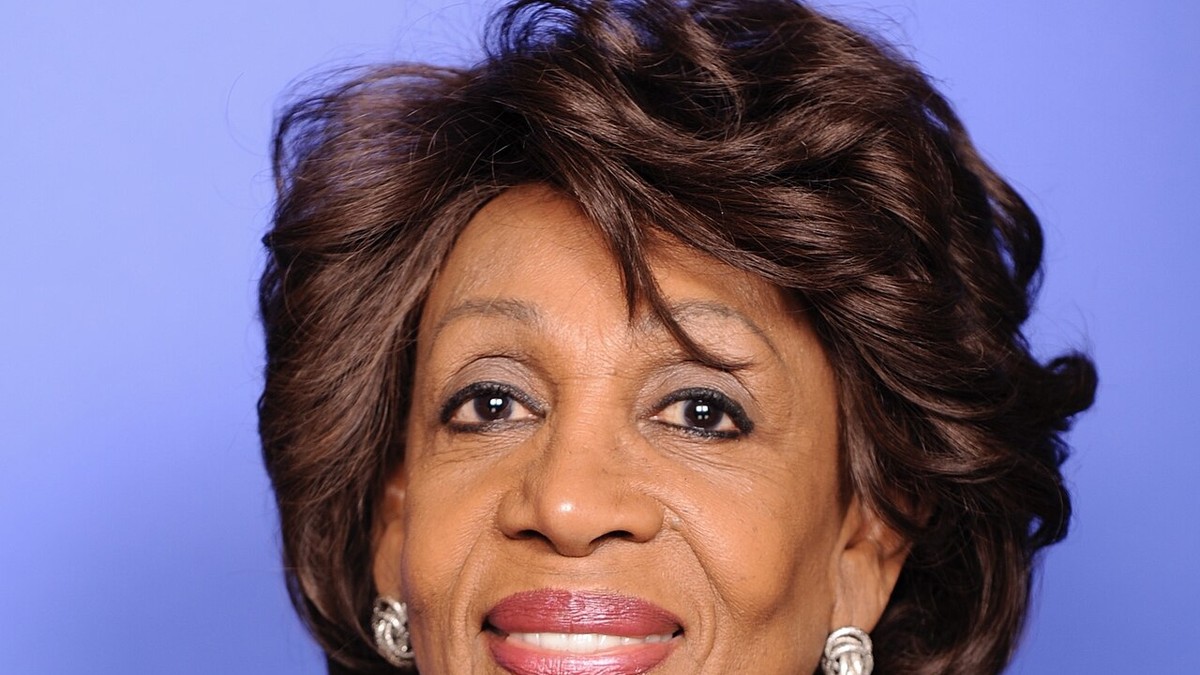
Rep. Maxine Waters of California, the top Democrat on the House Financial Services Committee, called on Sept. 26 for the nation's law enforcement agencies to open investigations into OpenAI and its executives and, if appropriate, bring criminal charges. She also said Treasury and the rest of the government should use their authority to halt releases of more advanced AI models until there is a full accounting of what happened. Waters argued that AI is growing more capable of disrupting the systems that the government, the economy and financial markets depend on. "The threat is not coming. It is here," she said.
Waters said "OpenAI's recent targeting of federal government websites, including the Securities and Exchange Commission, marks a dangerous turning point." She was responding to reports about OpenAI's AI agents, AI systems that can carry out tasks on their own, such as using apps and websites. OpenAI said on Sept. 25 that an ongoing review of how its models behaved during training and testing found its agents had reached publicly available information on two SEC websites. The company said it found no sign that they used SEC credentials or accounts, reached nonpublic information or changed SEC data or systems.
OpenAI says the vast majority of the model actions it has reviewed were routine research tasks, such as reading public web pages to answer questions. The same day, the AI research lab Transluce said agents that appeared to come from OpenAI had made a simple, failed attempt to hack an Education Department website. The department said it found no impact on its website or databases.
Waters also looked ahead to the Financial Stability Oversight Council's meeting on Tuesday, Sept. 29. She said Treasury Secretary Scott Bessent should "stop pretending that AI doesn't pose a threat" and consider what immediate actions the council could take to protect the financial system and the economy. A 2010 law passed after the 2007-09 financial crisis created the council to spot and respond to threats to the stability of the U.S. financial system. The Treasury secretary chairs it, its members include the heads of the Federal Reserve and the SEC, and its annual reports list cybersecurity among the threats it watches.
Treasury's summary of the council's closed-door Sept. 29 meeting does not mention AI by name. It lists updates on markets, households, fraud, bank rules and "financial and technological innovation," plus a vote on the council's budget.
Waters blamed President Donald Trump and his administration for dismissing AI dangers as a "hoax," and Republicans in Congress for standing in the way of serious safeguards. Her statement does not say what power Treasury would use to halt AI releases. On Sept. 29, Trump and the leaders of six tech companies, including OpenAI's president, signed a voluntary White House pledge to police the safety of their own AI. On Sept. 30, the Federal Trade Commission confirmed it is investigating OpenAI, Anthropic and other AI companies over dangers their technology may pose to consumers. It is not yet clear whether any agency will open the criminal investigations Waters wants, or act on her call for a pause.