
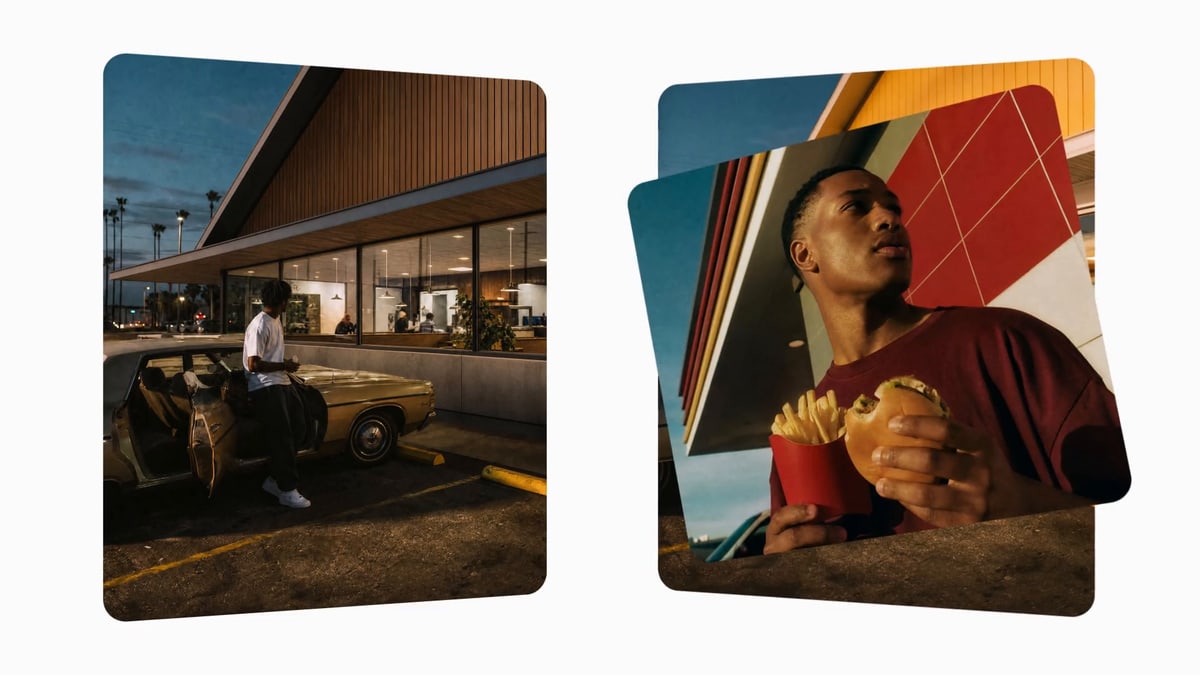
Magnific, the company formerly known as Freepik, launched Magnific One on Oct. 8, an AI tool that makes pictures from a written description. Magnific says most image tools leave users to spell out every detail themselves, from framing to lighting. Its tool, the company says, first makes the calls an art director would: how the shot is framed, what style it takes and how it is lit. Only then is the picture made.
In practice, Magnific says it rewrites every request before an image is made. In Magnific's own guide, a short line such as "two grandmothers gossiping on a bench" comes back as a fully staged scene. Magnific says the tool starts from today's strongest image models, and that its creative team spent months refining, shot by shot, the instructions it gives them. Magnific says the tool picks which image-making AI to use for each request, though according to a news report it currently runs on an image model from OpenAI, the maker of ChatGPT.
There are two ways to work. Magnific says a draft mode gives 8 or 16 different takes on one request for the price of a single image, so a user can look around before choosing. A final mode then makes the chosen picture large and sharp enough for finished work. Magnific also says its Auto Layers feature splits a finished image into separate pieces, such as the text and the background, so the wording and colors can be fixed without making the picture again.
The tool is aimed at companies as much as artists. A team can set up a Brand Kit once, from its website, a style guide or a few pictures, and Magnific says the kit then shapes every final image and checks whether each one is on brand, whoever made it. An agency can keep a separate kit for each client.
Magnific One is open now on Magnific's paid plans, priced in credits by quality and resolution, and Magnific says some plans get unlimited use in its desktop app through Oct. 15. The examples Magnific has shown were made and picked by the company, and outside users have only begun to post their own tries, so it is not yet clear how often an ordinary request comes out that well, or how reliably the brand checks catch mistakes.