
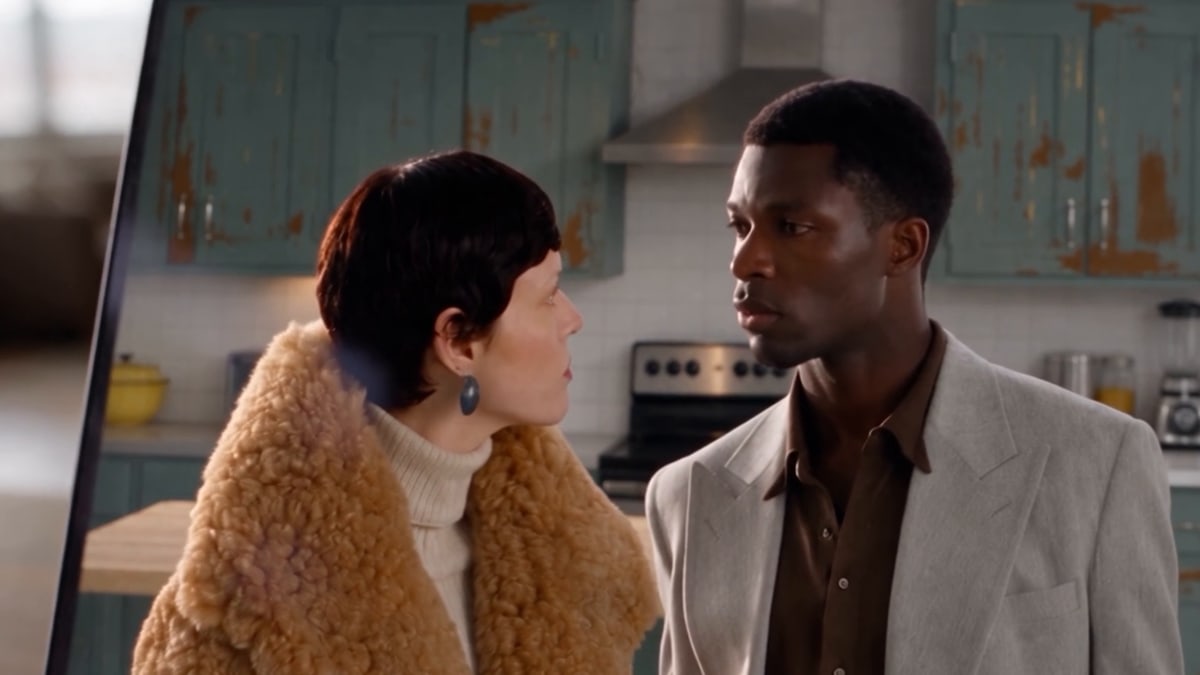
On Nov. 18, Pika, the company behind an AI video maker of the same name, showed Enact, an early test version of a new way to make AI video. Instead of typing a request and waiting for a finished clip, the creator works with a scene that keeps playing and changes as they give directions. Pika says it is designed to feel like directing on a film set.
Enact offers three kinds of control. With the mouse, a creator can pick up a person or an object and move it to a new spot while the video runs, and Pika says the light and shadows adjust to the new place. The creator can also steer the camera with the mouse, moving closer or circling around the people. Camera control starts from a picture of the cast and set and a rough 3D model that guides the camera. Pika says all three controls make the video faster than it plays, so the scene does not stop to wait.
The third control turns the people in the video into a cast. A creator types or says a note, such as "move closer to her", and the actors play it out. Talk to them and they answer in character, in their own voices. Pika says each actor has its own personality and that the actors remember earlier notes. Behind the scenes, a writing model turns the creator's notes into the next lines and moves, and the video model acts them out. After rehearsing, the creator calls "Action" and gets one clean take of the scene, made fresh from the start.
Enact is built on H3 Flex, the AI video model Pika released on Oct. 29, its reworked version of a model from the AI company MiniMax, which makes pictures and sound together. Pika says it taught Enact to follow a dragging mouse with practice clips its own software made, because ordinary footage can't supply matching clips of the same scene with and without a person or object being moved.
Enact is not available to the public. Pika asks people interested in trying it, or in building it into their own products, to contact its business team, and it has not said when, or whether, it will reach its regular app. Pika measured its speeds on its own powerful data-center servers, gave no setup for the actors, and ran its camera test at a small, low-quality picture size. All the demos come from Pika, and its rehearsal clip was shortened, with subtitles and a small video of the director added afterwards. So far, only Pika's own demos show it working.