
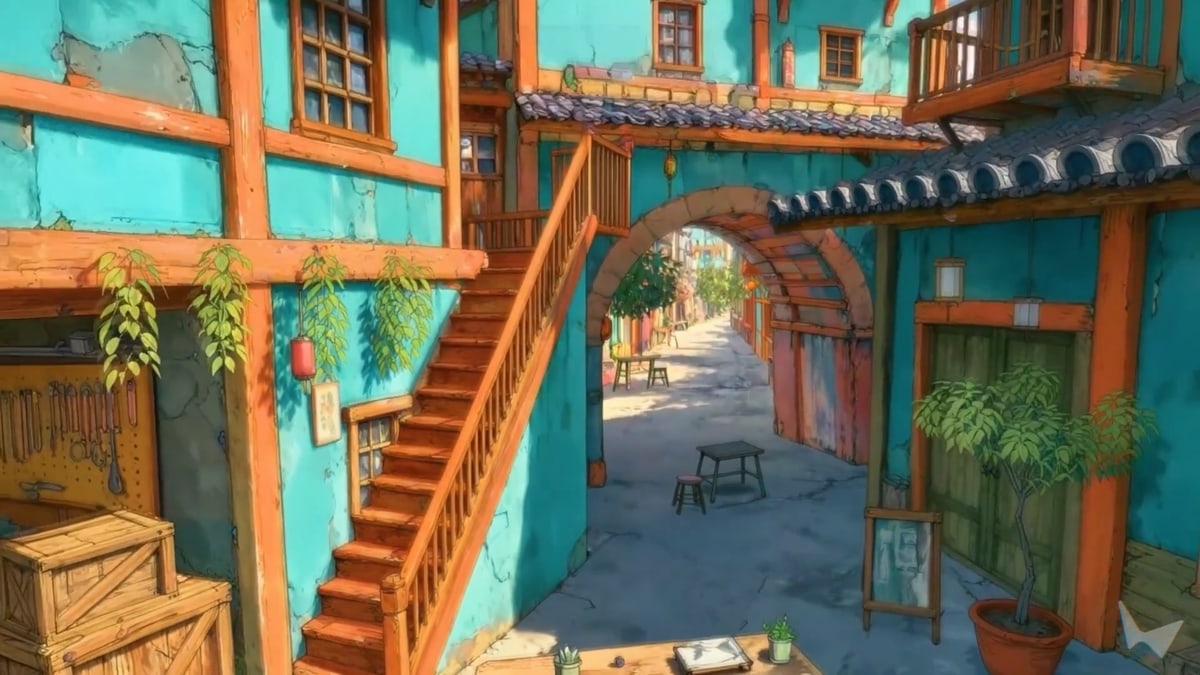
World Labs, an AI company that is now part of chipmaker AMD, says it opened its Atlas AI to everyone on Nov. 12. World Labs first showed Atlas on Sept. 1, and since Nov. 5 a web demo called Frameboy has let people steer through a set of ready-made Atlas scenes. Atlas turns photos, or pictures made with AI, into 3D places that people can explore by moving a virtual camera through them. As of Nov. 5, Viewfinder, World Labs' app for building scenes with Atlas, was open only to invited testers, with a waitlist for everyone else.
World Labs calls Atlas a world model, an AI that learns how the world behaves so it can predict what happens next. For Atlas, what comes next is the view from a new spot. From one picture or several, it works out how the scene would look from new angles and fills in the parts the pictures never showed. Those filled-in parts are invented, so World Labs says that to rebuild a real place faithfully, Atlas needs more photos: the more it sees, the less it makes up.
World Labs launched a set of tools with it. Viewfinder rebuilds a scene from photos and lets people steer a camera through it. Chisel lets people lay out a rough version of a scene with simple blocks first, to guide what Atlas builds. Another tool turns Atlas's scenes into solid 3D objects that games, simulations and design software can use. A fourth, Relight, lets people try new lighting. Developers can also plug Atlas into their own apps and into Blender, a popular 3D design program.
World Labs pitches Atlas to filmmakers, who could build a set and plan their camera moves in it, and to architects and designers. It also says the 3D places can serve as virtual settings for training and testing robots. World Labs says Atlas gets better the more computing power it is trained with, and the company expects that to continue. World Labs warns that its 3D places may not match a real space's true sizes or layout.
The cheaper plans come with limits. Under World Labs' terms, on the free and Standard plans the company keeps the rights to what people make, apart from the parts that come from what people upload, and people may use their creations only for personal, non-commercial work. People own what they make on a Pro or higher plan, with paid developer access or with other paid access World Labs designates, and upgrading later doesn't change the rights to anything already made.
On the free and Standard plans, World Labs can also use what people upload and make to train its AI, with no way to opt out, and it can use what people make there for any purpose, its own ads included. People on a Pro or higher plan or with paid developer access can switch off the training in their settings, though only for what they add from then on. Some plans may also show uploads and creations publicly by default. Users must be at least 18, or older where the local age of adulthood is higher, and the service is offered only in the places World Labs chooses.