
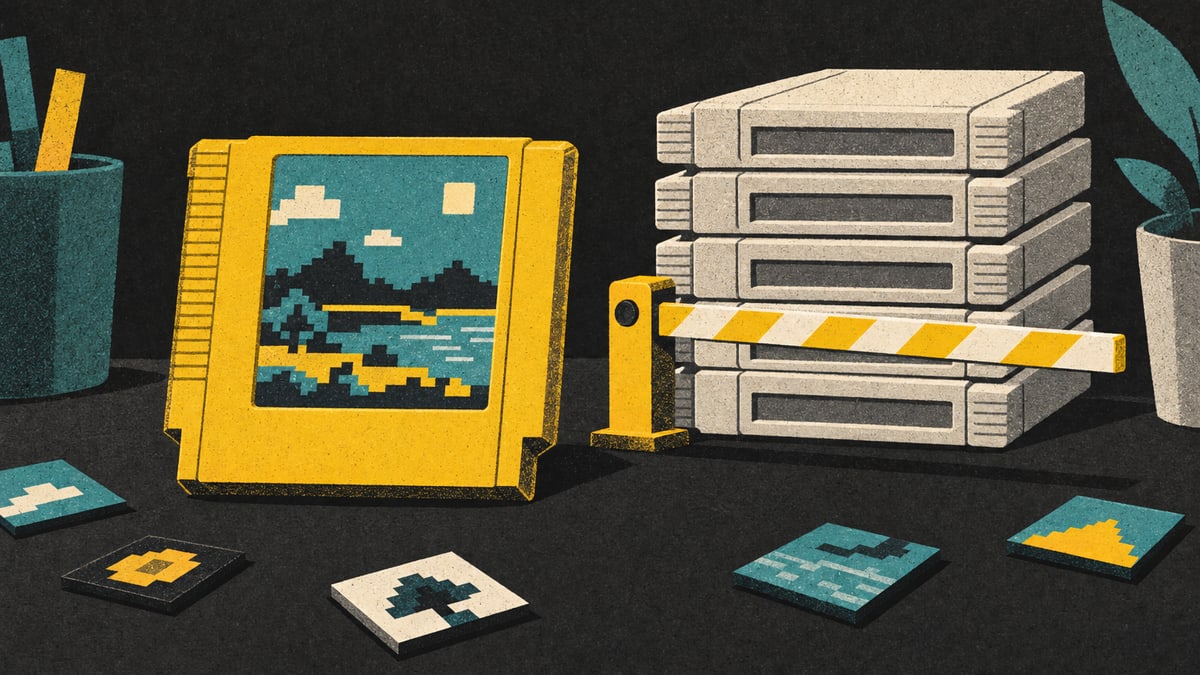
Anthropic has changed the instructions its AI coding tool follows when people ask it to make a video game. Addy Osmani, who works on Claude Code at Anthropic, said on Oct. 30 that the company had added two sentences to the tool's system prompt. That is the set of standing instructions the company gives its AI at the start of every conversation to steer how it behaves. The new sentences are meant to steer Claude Code, when it runs on Anthropic's Opus 5.5 model, away from recreating someone else's specific game.
According to a news report, the rule tells Claude it may build original games, new games in an existing genre, and games from the user's own designs and assets, but not a recreation of a specific existing game, even one that is renamed or called original. The same report says a user on X spotted the change, which the user said went out on Oct. 27, and that the user found no way to turn it off.
Osmani said the reason is that using Claude to infringe intellectual property is against Anthropic's usage policy. That policy bars using the company's products or services to "infringe, misappropriate, or violate the intellectual property rights of a third party."
The change comes after a wave of AI-made remakes of video games, according to a news report. The report says some studios, Digital Sun Games among them, have called off public trial versions of upcoming games for fear someone could feed the demo into an AI tool and release their own version, and that developers have pressed Valve, which runs the Steam store, to explain how it can keep such clones from crowding out their games on Steam.
Osmani said Anthropic will keep adjusting the change to strike the right balance, and he asked people whose own work Claude turns down to send it to him. Anthropic has not said how the tool will tell whether a game belongs to the person asking for it. The same report says the rule may only deter the most low-effort copycats, and that scientists and reporters have repeatedly shown safety limits on AI tools can be sidestepped with clever wording. It adds that many users replying to the post that spotted the change said people making clones can turn to AI models anyone can download, which have no such limits.