
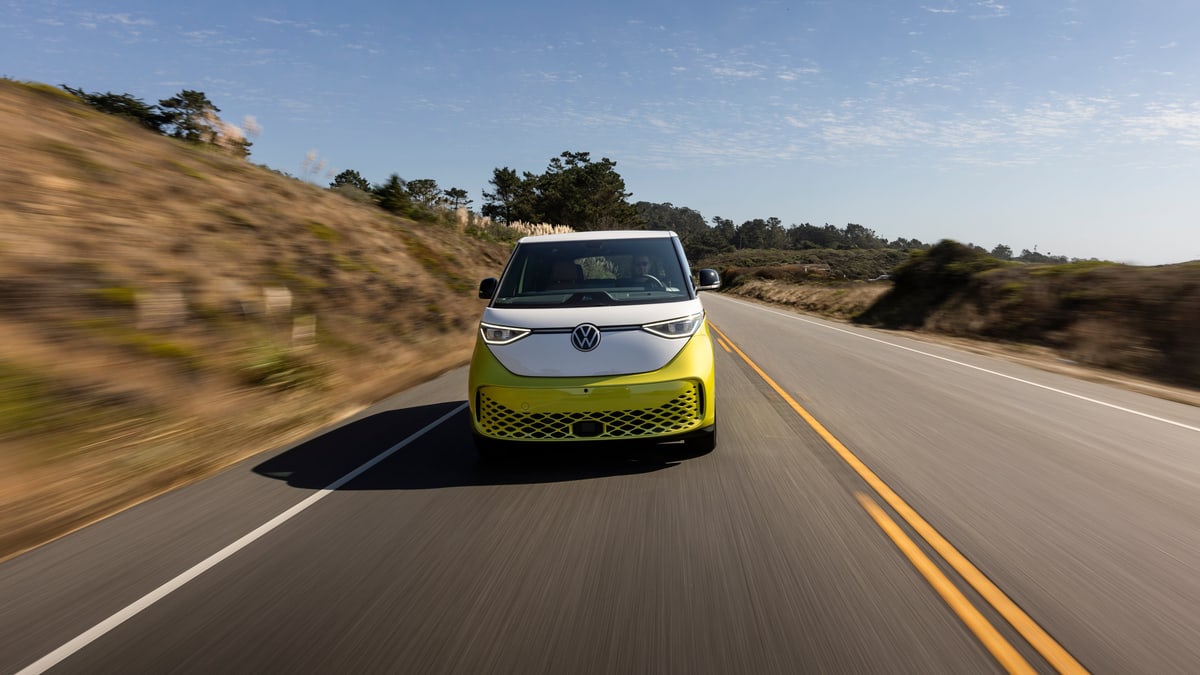
May Mobility, a self-driving car company based in Ann Arbor, Michigan, said on Nov. 12 that it plans to put its driving system into Volkswagen's electric ID. Buzz van and run the vans as robotaxis, cars that carry paying passengers with no driver, on ride-hailing apps. It aims to deploy more than 10,000 of the vans through 2031. May Mobility says the ID. Buzz, with several doors and a roomy cabin, suits robotaxi rides.
Work on the self-driving van has started, May Mobility says, with road tests in the U.S. beginning in early 2027 and the first factory-built vans targeted for delivery in 2028. May Mobility will work with ECARX, a car technology company it already partners with, to fit its driving system into a version of the ID. Buzz built to be ready for self-driving. Charlton Intelligence.ai will help put the vans on the road. May Mobility says working with ECARX and Charlton will help it toward its goal of cutting the full cost of each vehicle by half or more compared with the one it uses now.
May Mobility says it relies on partners rather than running large fleets itself. It supplies the driving system and puts it on the road with partner companies that run fleets and ride apps. The company says its system runs on the vehicle itself and predicts how the road around it will change up to 10 seconds ahead, then weighs several ways to drive and picks the one it judges best.
May Mobility says it has given more than 600,000 self-driving rides in its commercial services, across 1.1 million miles in the U.S. and Japan, three of those services with no one in the driver's seat. It runs rides through Lyft in Atlanta and self-driving ride services in Eden Prairie and Grand Rapids, Minnesota, and plans to start service with Uber in Arlington, Texas, in 2027.
The plan came on the day of May Mobility's investor presentation, part of its push to list its shares on Nasdaq by merging with ACP Holdings, a company already on the exchange that was formed to buy another business. The two companies warn that the merger may not be completed on time or at all, and that the timing of May Mobility's business milestones carries risks.
The announcement quotes no one from Volkswagen. It says the plan includes delivery of ID. Buzz vans adapted to May Mobility's self-driving equipment, but does not say whether Volkswagen has signed on or what else it will do. Volkswagen's own self-driving company, MOIA America, said in April that it was testing self-driving ID. Buzz vans in Los Angeles with human operators on board, and planned to start rides on Uber there in late 2026. May Mobility has not said which cities or ride apps will get its vans first, or what each van will cost, and says more details on the vehicle, testing and deployment will come later.