
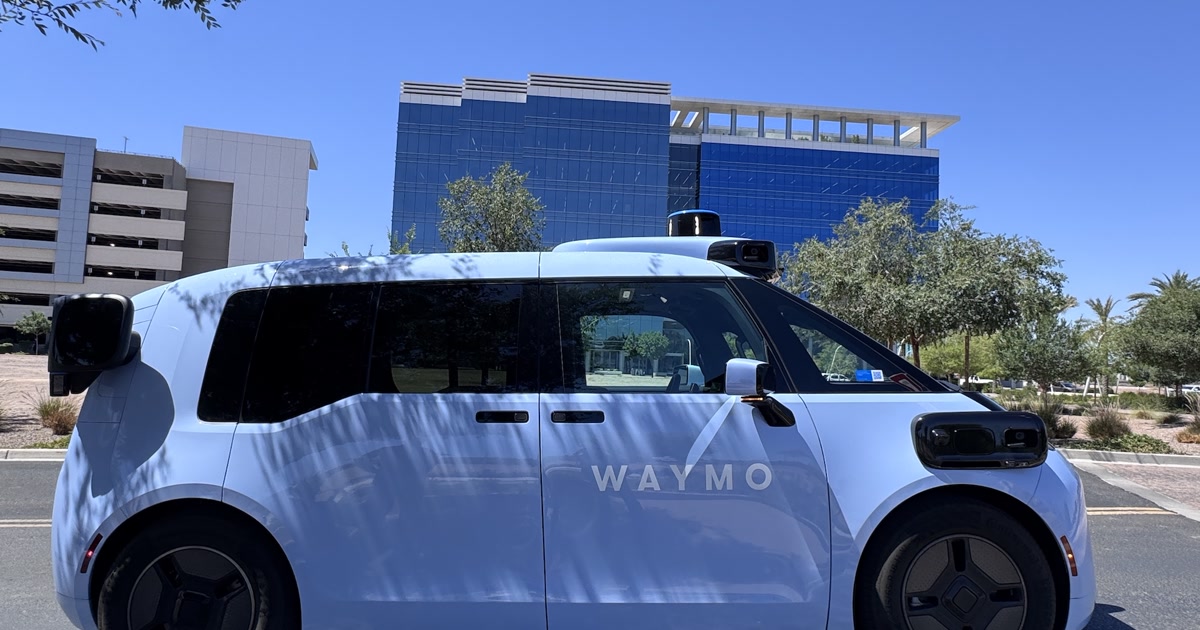
Waymo on Sept. 1, 2026, began welcoming its first public riders in Denver, San Diego, and Tampa, saying that marks 14 cities where it provides fully autonomous trips. Opening three cities on the same day, rather than one soft launch at a time, puts paid, driverless cars from Alphabet's robotaxi unit into several new U.S. markets at once.
Not everyone can ride right away. Waymo says tens of thousands of people in each city have already signed up, and that it will steadily offer more riders access as it works toward opening the service to everyone. Riders hail cars through the Waymo app. According to a news report, Denver and San Diego are rolling out on the Ojai, the vehicle that carries Waymo's sixth-generation self-driving system.
"Launching public rides in San Diego, Tampa, and in my home state of Colorado brings our newest vehicle platform and next-generation driver to more riders who are ready to experience the future of mobility," Waymo chief marketing officer Suzanne Philion said. According to a news report, the Denver launch is Waymo's first commercial service in Colorado.
Waymo is not alone. Tesla already charges for driverless Model Y rides in Tampa and other cities and is betting on Cybercab, and Amazon's Zoox plans supervised testing of Toyota Highlander SUVs, with human drivers on board, in Houston and San Diego. Waymo also says its self-driving system, the Waymo Driver, is involved in 94% fewer crashes causing serious injury or worse compared with human drivers over the same time. That is Waymo's own safety figure, not a finding by a regulator.
Waymo has not said how quickly its rolling invitations will become open access. It is also unclear whether Waymo can build enough Ojai vehicles for Denver and San Diego, and how its service in Tampa will fare against Tesla's paid robotaxis as both fleets grow.