
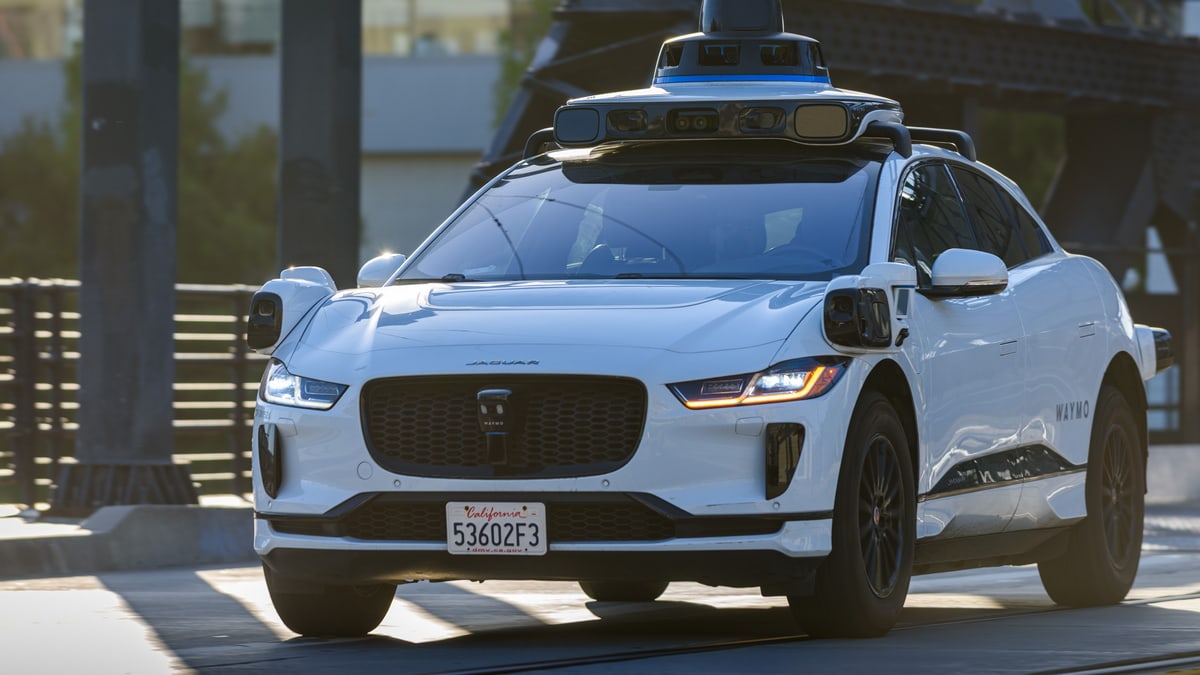
California Governor Gavin Newsom signed Senate Bill 1246 on Sept. 30, a law that sets new rules for driverless taxis when they crash, break down or get in the way of emergency crews. Its author, state Senator Dave Cortese, says California has embraced self-driving cars but "cannot embrace innovation at the expense of public safety." The rules take effect on July 1, 2028.
At the heart of the law is a person on the ground. Robotaxi companies will have to send a "local incident technician," a worker who comes to the scene on the company's behalf, as soon as one of their cars crashes, gets stuck or blocks a road or emergency access, or when police, firefighters or a 911 dispatcher ask for one. The technician must be able to move the car or have it towed. If a failure across a company's fleet strands its cars, the company must immediately tell local officials, including emergency dispatch, where the affected cars are and what state they are in, and send technicians to any it can't restart from afar.
Cities and counties can take companies to court, and any fines go to the city or county that sues. Their lawyers can seek fines of up to $5,000 for each breach of the rules on sending technicians and warning officials, and up to $10,000 for each car that blocks or interferes with an emergency or police operation for more than 30 minutes after responders ask for a technician. Breaking the rules is not a crime. Judges must weigh how serious a violation was and whether it was repeated, and may take into account circumstances beyond the company's reasonable control.
Some robotaxi companies use staff who can drive a car from far away; the law calls them remote drivers. The law requires anyone who drives a car this way to be in the United States and hold a driver's license that is valid in California. For cars without a steering wheel or pedals, the company's remote staff must be able to shift the car into neutral, move it as responders direct, or switch it off. Companies must give the state Department of Motor Vehicles data on their response times every quarter, and the department will publish the figures for each company.
The law follows a run of incidents. Cortese's office says a power outage in San Francisco in December 2025 stalled about 1,500 Waymo cars. It also says first responders trying to reach robotaxi companies for help have been left on hold for up to 53 minutes. In July, the National Highway Traffic Safety Administration, the federal road-safety agency, told driverless car companies it had found "a clear pattern" of driverless cars interfering with police and other first responders, including driving into active emergency scenes and blocking ambulances and firefighters. The SEIU California union sponsored the bill, and firefighters, police chiefs and the League of California Cities backed it. Waymo said, according to a news report, that changes made to the bill "ensure autonomous vehicle operators can still feasibly serve Californians."
The Department of Motor Vehicles has until July 1, 2028, the day the rules start, to write guidelines on how fast technicians should reach a scene. It must weigh things such as whether a car is in a city or the countryside and how many cars a company runs there. It is not yet clear how often cities will go to court, or whether fines of this size will change how companies staff their fleets.