
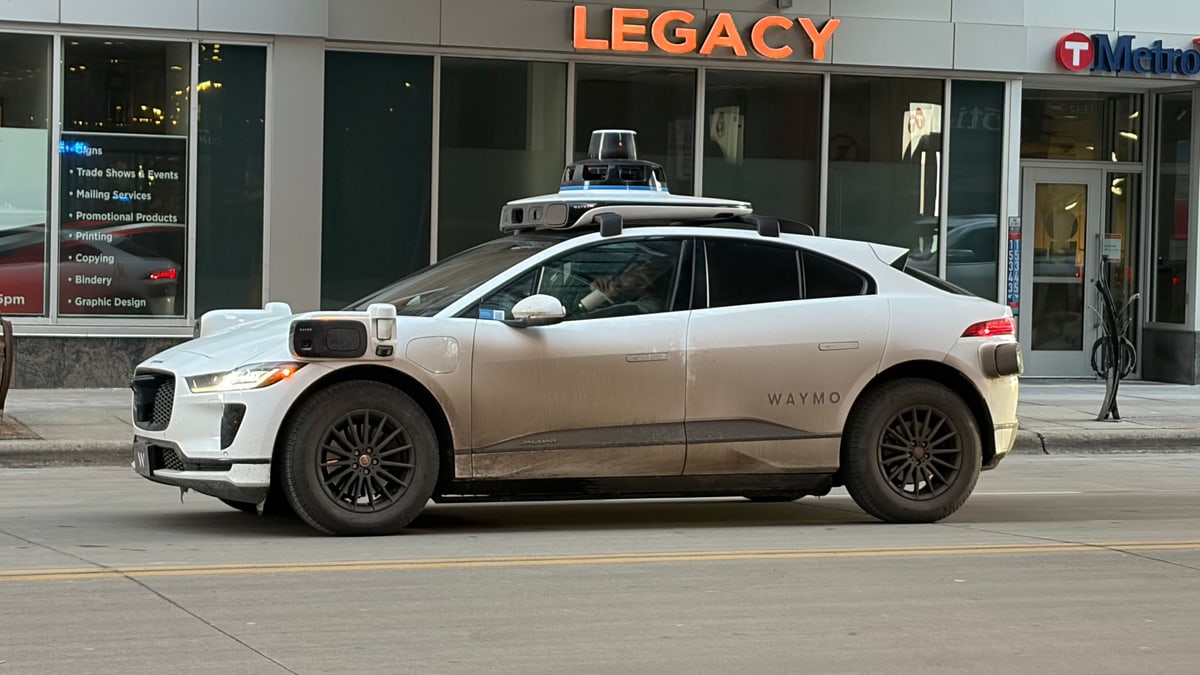
Minneapolis Mayor Jacob Frey vetoed a City Council ordinance on Friday, Oct. 2, that would have required a paid human monitor to sit in the driver's seat of every self-driving ride that starts in the city. The council had adopted it a day earlier by a vote of 7 to 6. One robotaxi company is already testing on the city's streets with people behind the wheel and no paying riders, and Minnesota lawmakers considered rules for these vehicles this year but passed none.
The ordinance would have made companies get a city license before offering driverless rides that start in Minneapolis, beginning in October 2027. Every vehicle would have needed a monitor in the driver's seat who holds a driver's license and is paid at least the minimum rates set by law, and no one could have driven a vehicle remotely.
The council members who wrote it say it protects the more than 10,000 rideshare drivers in Minnesota, mostly workers of color and immigrants, who could lose income to driverless cars. They also say it would put robotaxi companies on the same footing as rideshare companies. Waymo, the company testing in the Twin Cities, has said the ordinance goes too far and would limit its ability to operate in the city.
In his veto letter, Frey said cities should have a role in regulating these services, but that the ordinance ignores practical issues the city should be addressing: curb space, emergency response, traffic enforcement, liability, insurance, privacy and data reporting. He said a required driver cancels out the benefits for riders who prefer driverless cars, citing testimony from disabled riders who said rideshare drivers had canceled their trips because of a service animal or a wheelchair. He called the measure "a back door ban" and said he is ready to work with the council on a different ordinance.
Overriding the veto would take nine votes, two more than the ordinance received. It is not yet clear whether the council will try, or whether it will write a new rule along the lines Frey describes. It is also unsettled how far a city can regulate driverless cars on its own while the state has no rules.