
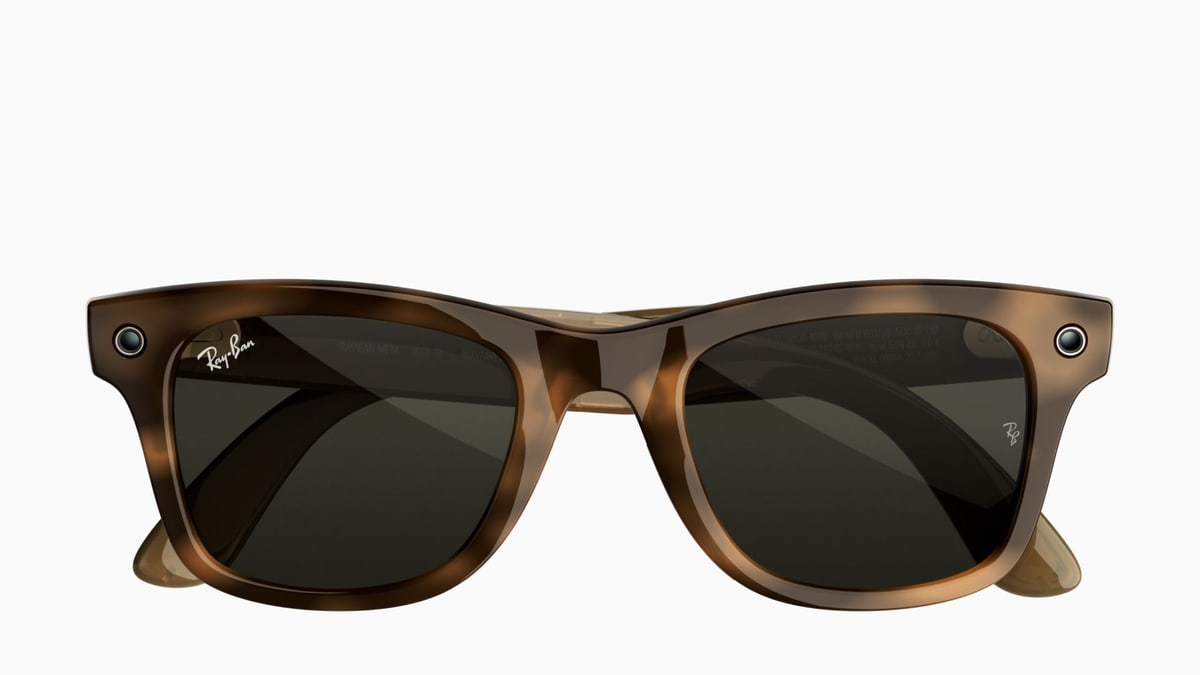
Two Dutch foundations, Offlimits and The Firewall, argued before the Amsterdam District Court on Thursday, Nov. 26, that it should order Meta to stop selling its AI camera glasses in the Netherlands for as long as they can be used to film people in secret. The case also names EssilorLuxottica, which makes the Ray-Ban Meta glasses with Meta. The two groups also want Meta to change the software in glasses already sold, so that the glasses record only with consent. That is according to Stichting Democratie en Media (SDM), a Dutch foundation that backs the case but is not a party to it, though it helped fund The Firewall when it started.
They brought it as a kort geding, the fast-track case Dutch courts use for urgent disputes. The judge gives a quick, provisional decision that a full trial can later overturn. The Dutch consumer group Consumentenbond started its own fast-track case against Meta, and all the parties involved want the court to hear the two cases together. According to a news report, the Consumentenbond wants the glasses changed, at the least, so that they meet privacy law.
The glasses look like ordinary glasses but have a built-in camera, SDM says. The light that comes on when they record is easy to tape over, the foundation says, and the footage goes to Meta's cloud, where AI can analyze it, without the consent of the people filmed. The groups say that breaks privacy rules. In late September Offlimits and The Firewall asked Meta and EssilorLuxottica to take the glasses off shelves themselves, and got no answer.
Meta told reporters the cases are wrong on the facts and the law, and that every pair with a camera has a bright light on the front that flashes when someone saves photos or video. It says the light cannot be switched off, and that the camera turns off on its own if the light is covered or tampered with. In court, according to news reports, Meta's lawyer argued that a ban would not stop misuse by a small group of users and that a fast-track case is the wrong way to raise these concerns. According to the same reports, Meta also denied that people's personal data is used to train its AI when the glasses' AI mode is on, said faces are blurred, and said the footage stays in the European Union.
The Dutch data protection authority, the Autoriteit Persoonsgegevens, advised people on Nov. 19 not to buy AI camera glasses for everyday use for now, citing serious risks to the people wearing them and those around them. It examined six such glasses on sale in the Netherlands. On nearly all of them the recording light was hard to see and easy to tape over, and most kept filming once it was taped, though their makers said that could not happen. In one test, a pair wrongly said an ambulance was on its way during a mock emergency. The authority also found security flaws that could let someone nearby connect to a pair, view recordings or even control the camera. Its announcement does not name the glasses it examined.
The authority also says such glasses can help people with poor sight or low literacy. Its vice-chair, Monique Verdier, said it is important that society learns to live with risky AI products like these, and that simply banning everything gives some room at first but cannot be kept up. Even so, the authority advises the owners and managers of buildings and venues to ban camera glasses in their house rules. The lower house of the Dutch parliament has passed a motion calling for a ban, SDM says.
Courts usually rule two weeks after such a hearing, but according to a news report this judge will take four weeks, so a decision is expected around Dec. 24. Either side can then appeal or take the dispute to a full trial, though often neither happens and the fast-track ruling stands.