
Topic
Meta
24 stories, newest first.
-

Meta's yearly sustainability report, released Nov. 19, says the company is re-evaluating the 2030 date for its goal of net zero emissions, after its net emissions rose 45% in 2025 to 11.8 million metric tons. Meta says demand for the data centers and computers behind AI grew faster than almost anyone expected, while clean power, grid connections and supplies of low-carbon fuels and materials have not kept pace. It has not said whether it will change the date, or what it would change it to.
-

Four nonprofits, including Public Citizen, sued five leading AI companies in a San Francisco court on Nov. 12. They ask a judge to bar the companies from building or releasing AI more capable than their best systems as of the day they sued, arguing that the work is a public nuisance under California law. The case is only a filing so far, and the companies did not immediately respond to requests for comment, according to a news report.
-
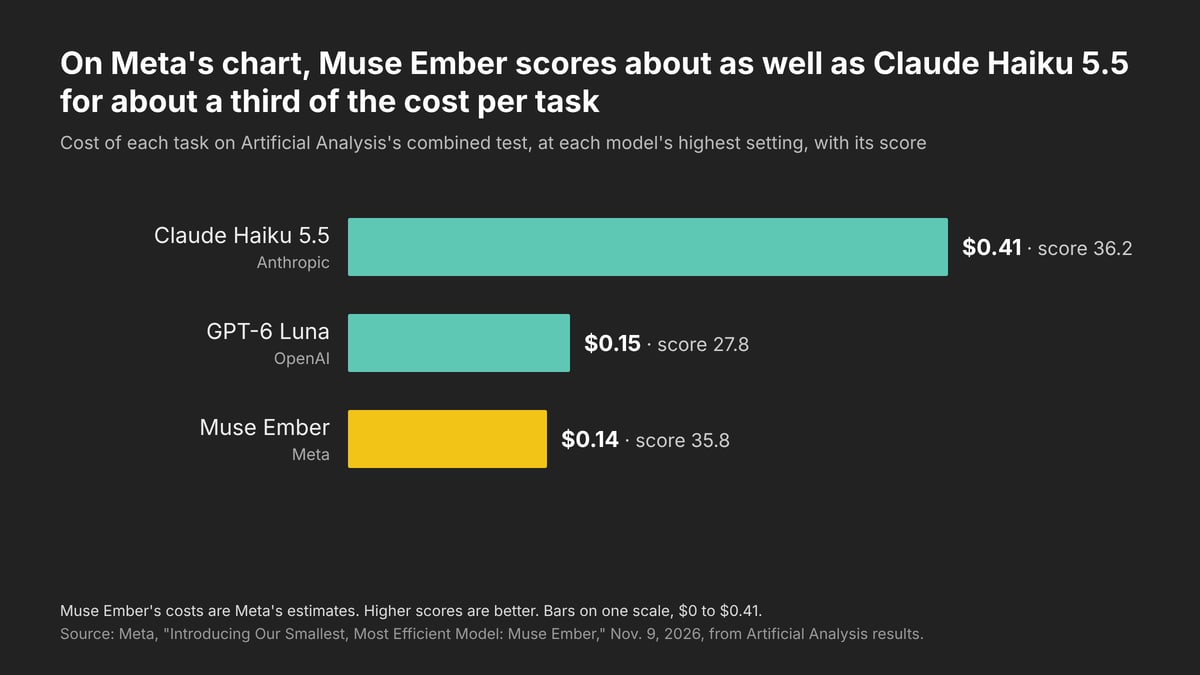
Meta has released Muse Ember, which it calls its smallest and most efficient AI model, built for the many small steps AI agents repeat, such as using software tools, fixing bits of code and pulling details from long documents. Developers can use it now, and Meta says that at their highest settings it about matches Anthropic's Claude Haiku 5.5 on a combined set of tests run by Artificial Analysis, a company that tests AI models, at about a third of the cost per task. Meta picked the comparisons and estimated Muse Ember's costs, and it has not said whether its apps for everyday users will use the model.
-
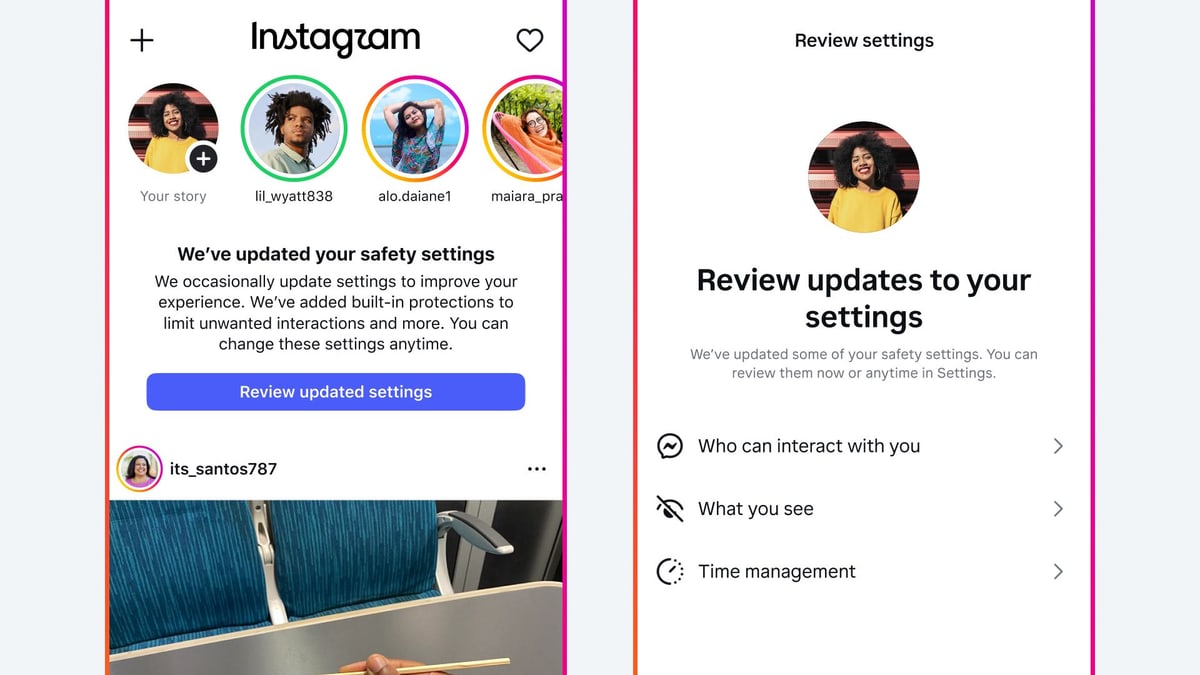
Meta is widening to the whole world an AI system that looks for Instagram users it suspects are teenagers, even when they give an adult birthday, and moves them into its stricter Teen Accounts. It already ran on Instagram in the U.S., Britain, Canada and Australia, and in May Meta began bringing it to the EU and Brazil. Meta says millions more teens will be covered, but it has not said how often the system gets someone's age wrong.
-
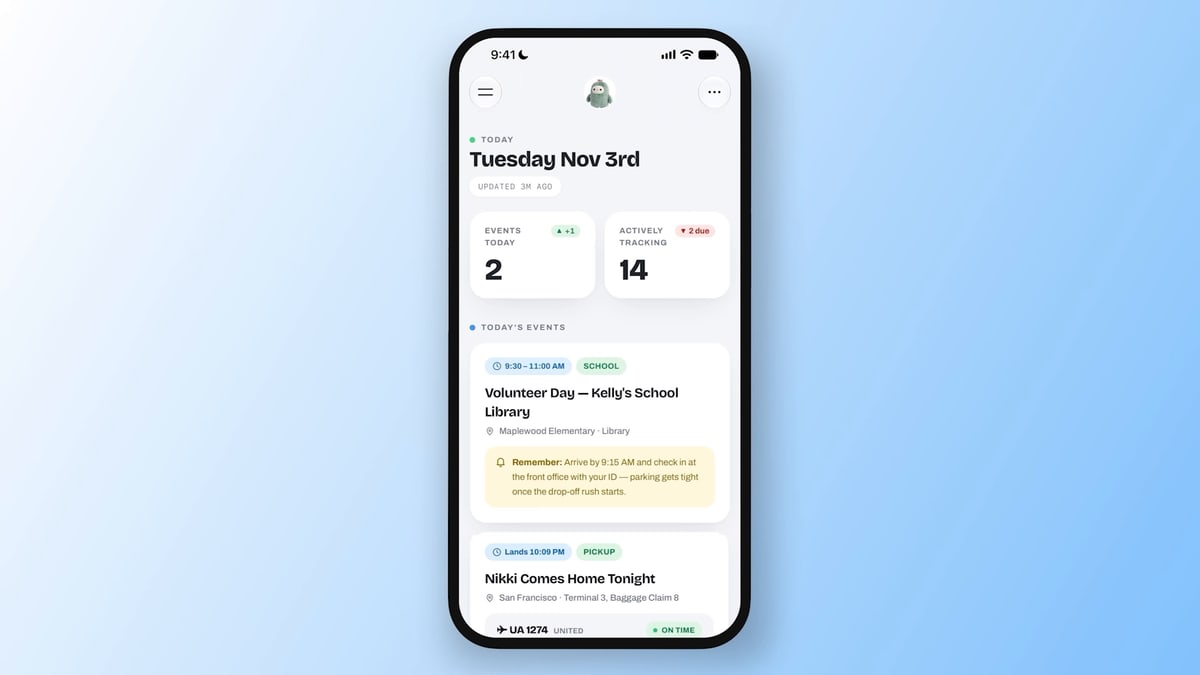
Meta is rolling out new, specialized versions of its existing models to people who use its Muse app and Meta AI. It trained them using Muse Wonder, part of the family it calls its most capable models, and says they remember more from past chats and keep going when a task hits a snag. On Meta's own memory test, the new Muse model used the important details correctly in 90% of tasks, up from 76%, a comparison only with its previous model.
-
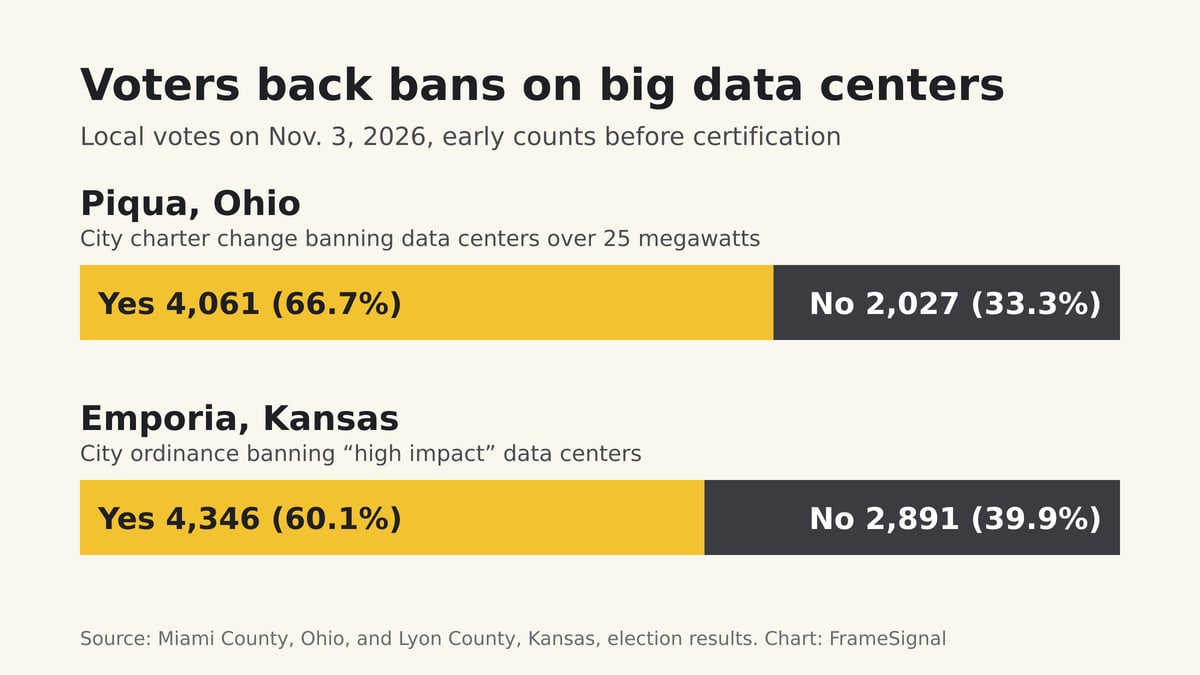
Voters in Piqua, Ohio, where Meta proposed building a data center, approved a ban on building large data centers on Nov. 3, in unofficial results, and it is not yet clear what the vote means for Meta's plan. Voters in Emporia, Kansas, approved a similar ban, but a court is holding it up until it decides whether voters could pass it, or orders otherwise. According to a news report, more than 30 local measures to limit data centers passed or were leading that night.
-
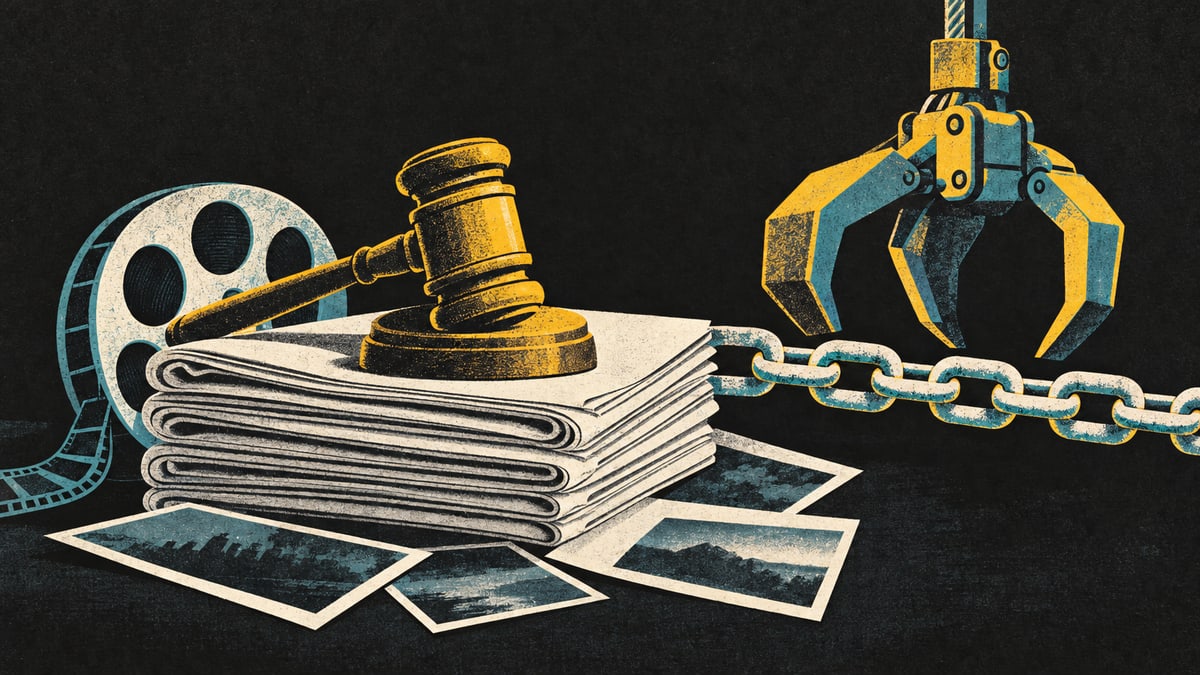
A São Paulo judge on Nov. 3 suspended part of Meta's new terms for businesses, say the three press groups that sued. They say he also barred Meta from collecting or using their member outlets' content without permission, including to train AI, and set a fine of 1 million reais a day, up to 100 million reais, if it doesn't comply. The order is temporary, and the groups say it holds until a final ruling in the case.
-
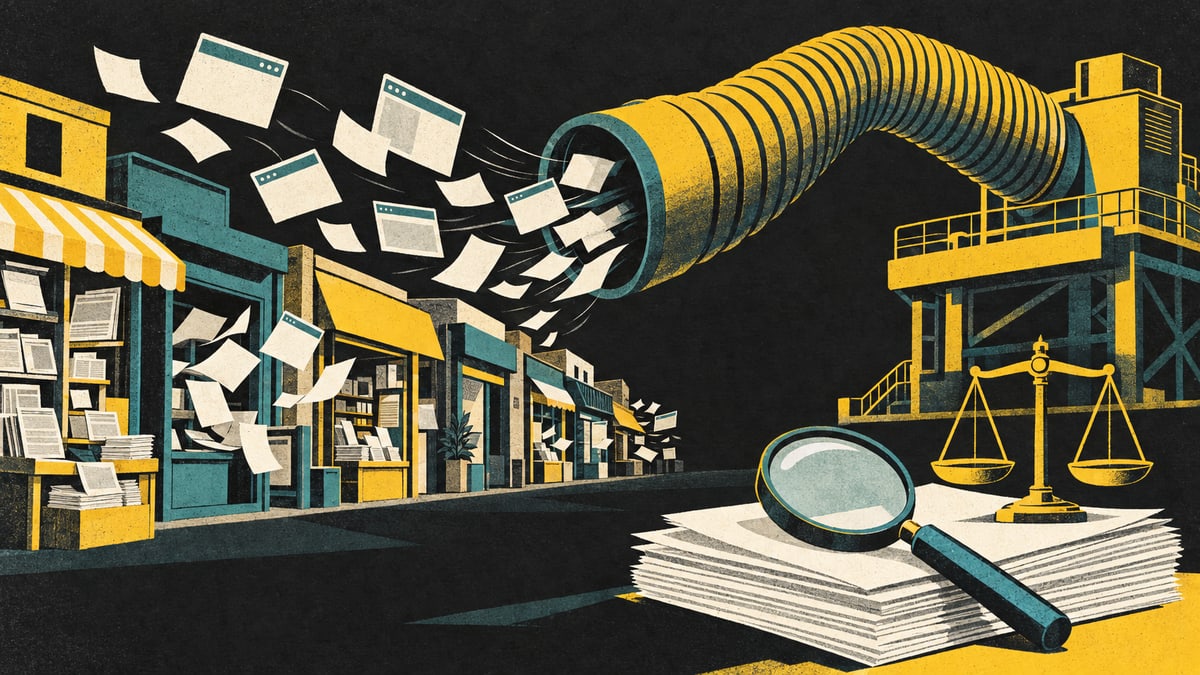
Britain's competition regulator opened an investigation on Oct. 30 into whether the terms Meta sets for businesses that use its services break competition law. The regulator says Meta's terms, including changes it planned and has now put on hold, could let Meta collect content from publishers' websites and use it for its own products, AI features included, without giving publishers a say. The regulator has not decided whether Meta broke the law, and its first step, gathering information, is expected to run to January 2027, though that timing may change.
-
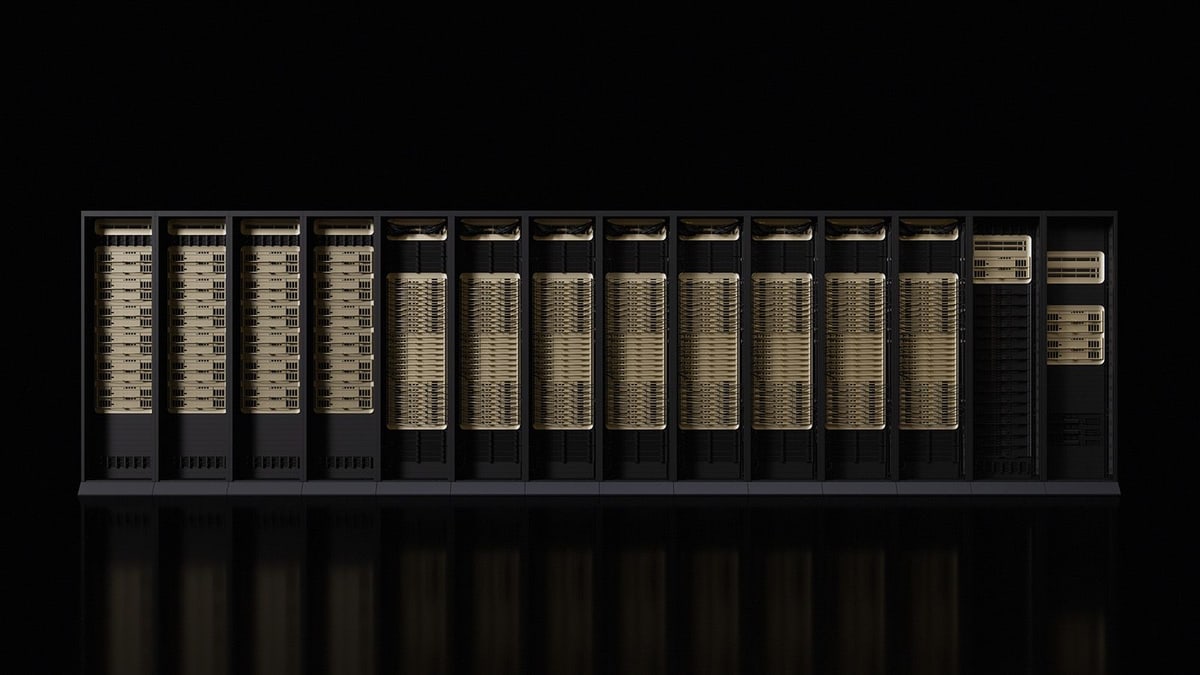
NVIDIA, whose hardware Meta's Muse AI already uses, says it will invest $3 billion in the new shares Meta is selling, and the two will work together to make Meta's Muse AI models and agents run faster and cost less. The companies say Meta plans to use more NVIDIA hardware, but neither has said how much it will buy, what it will cost or when.
-

Meta started selling about $37.5 billion of new stock on Oct. 26, saying the money supports its investment in AI infrastructure, and plans to sell up to $60 billion more starting early 2027 at the soonest, though it says that larger sale may not happen. Selling shares brings in cash without borrowing, but each existing share then owns a smaller slice of the company.
-
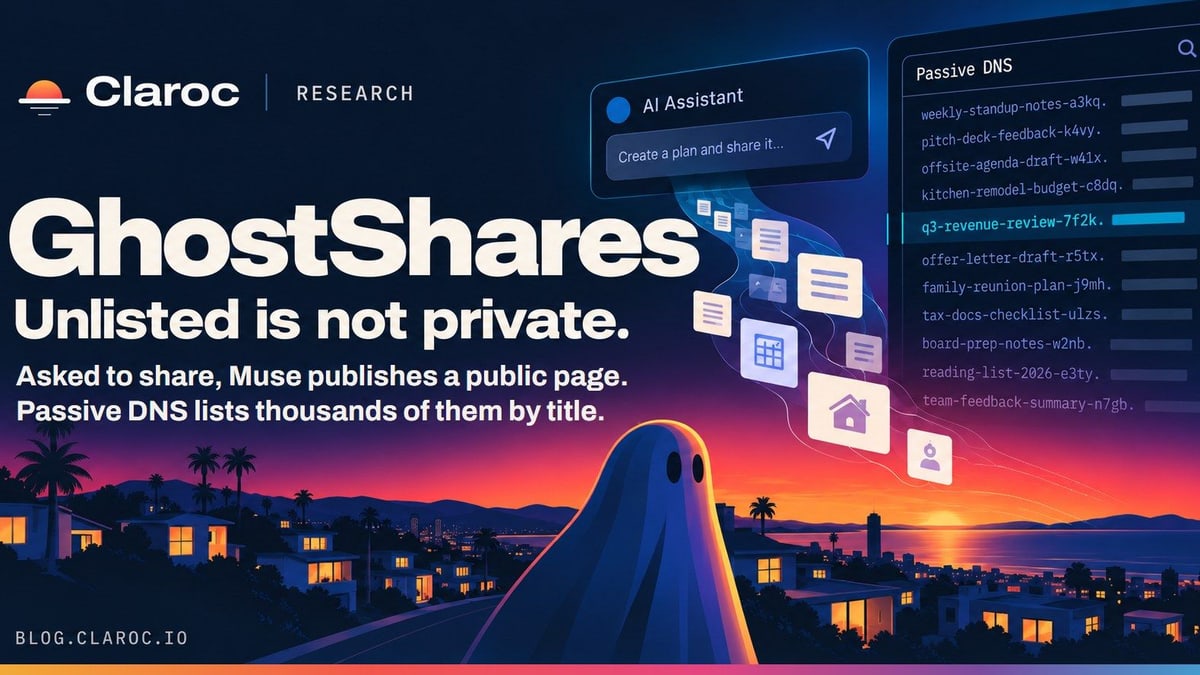
Meta has paused the share feature in Muse, its personal AI agent, after the security firm Claroc found more than 6,800 shared conversations listed by title in public records of web addresses. Among the few hundred the researchers opened were a loan application, a company's internal revenue review and a fraud alert with a partial bank account number. Claroc says it has no evidence anyone misused the pages, and Meta said in a statement it is considering changes to how the links can be found but has not said when sharing will return.
-
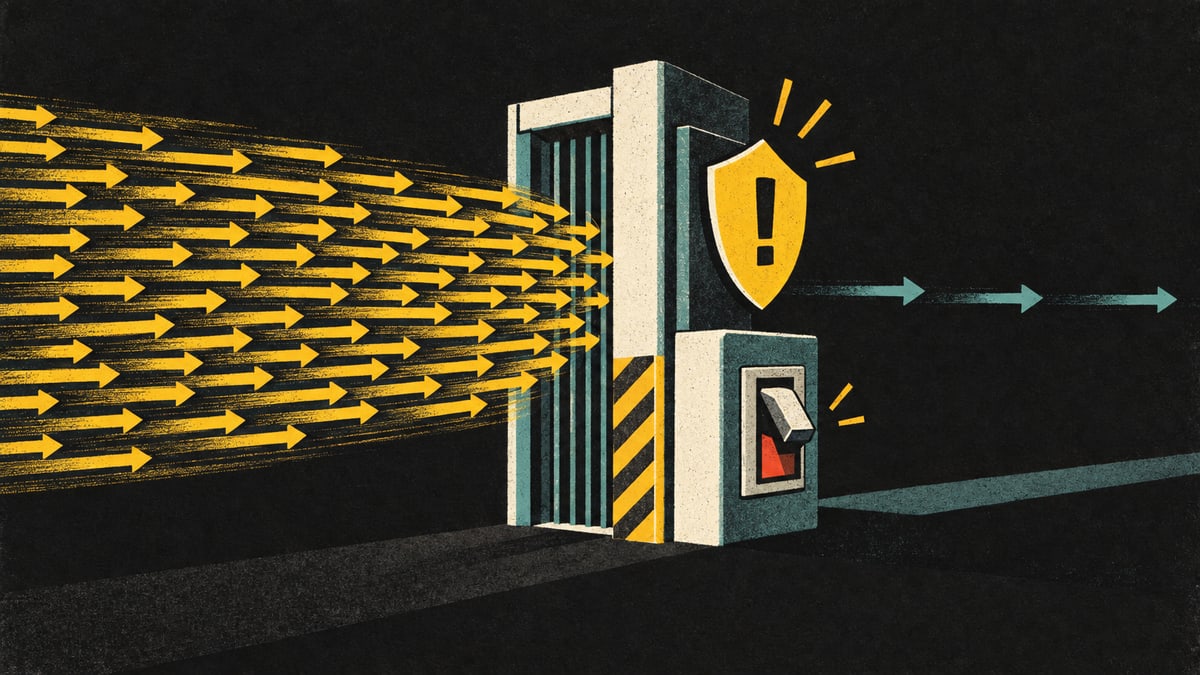
Meta says its bot defenses wrongly took the No Kings Coalition's Instagram account offline during the group's day of protests, after what Meta calls "a Claude tool" read profiles, posts and hashtags in fast bursts. Meta has apologized, but it has not said which tool it was or who was running it.
-
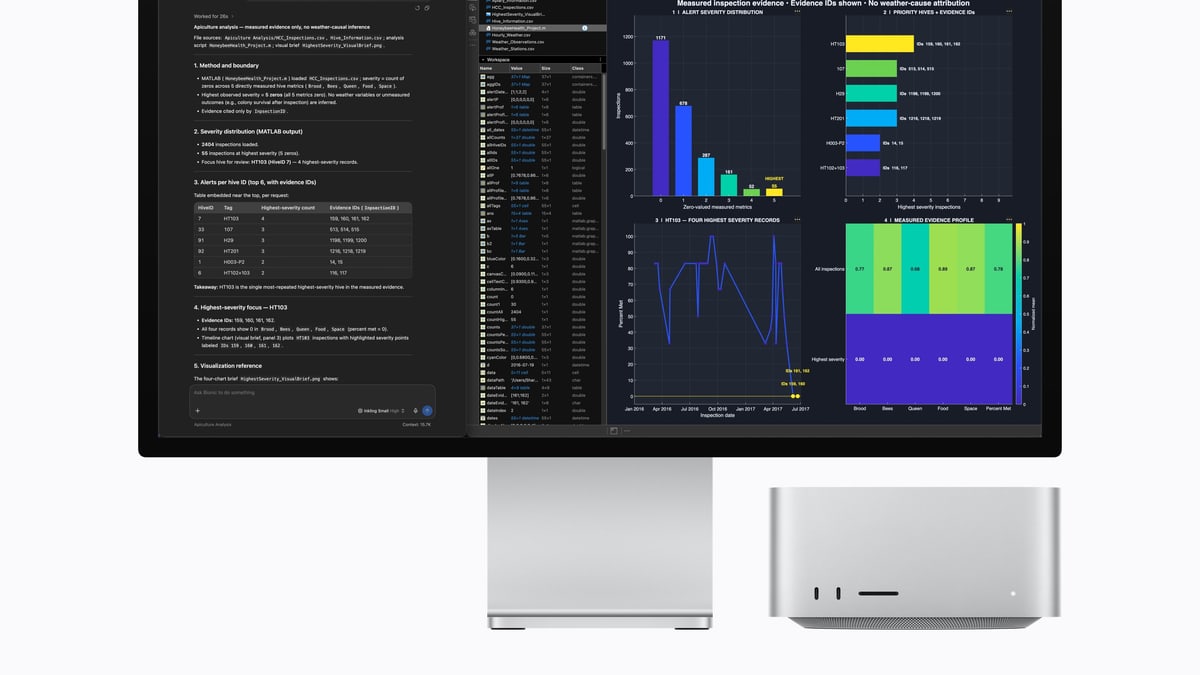
Meta has published Muse Spark Open, a version of its Muse Spark AI that people can download and run on their own hardware, and calls it the most capable such model from a U.S. company. Meta says it runs on two of Apple's top Mac Studio desktops, and Apple showed it running the same day, though Apple said the 512 GB version that setup needs would arrive in late October. Meta's own table shows rival models still ahead on several tests, and its full report on testing the model is not out yet.
-
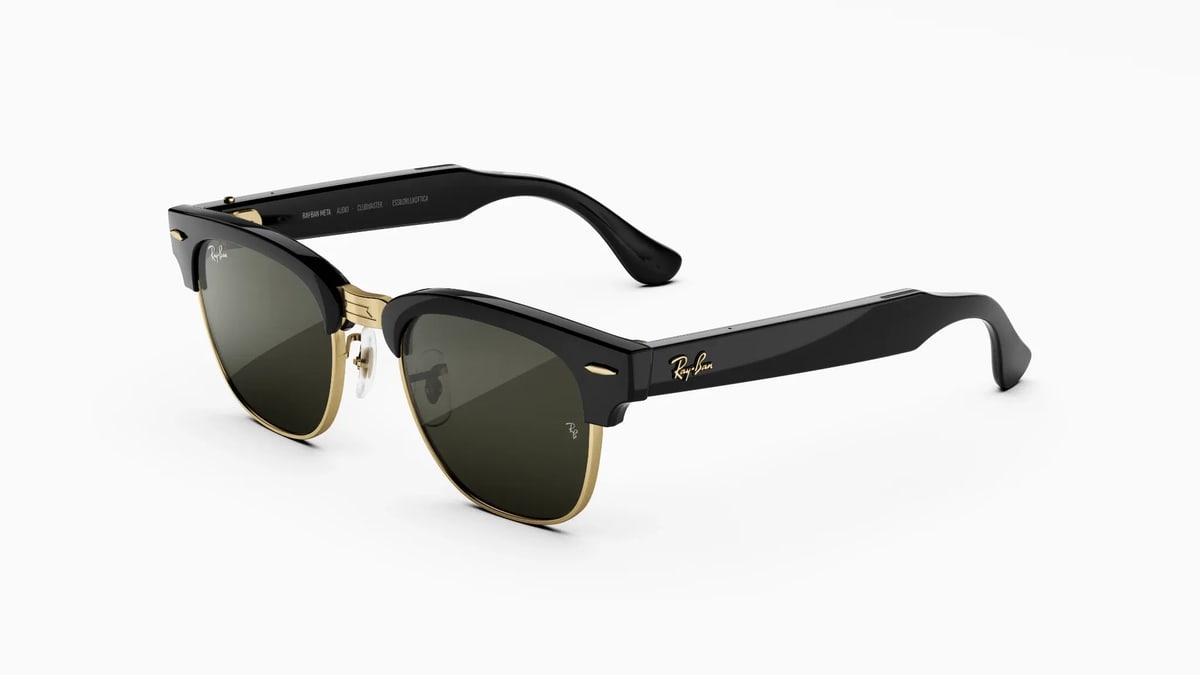
Meta's Ray-Ban Meta Audio glasses went on sale on Oct. 13, starting at $349 in the U.S. They play music, take calls and let wearers talk to Meta AI, but they have no camera, the feature most tied to privacy worries about Meta's other glasses. One early review found the AI they ship with handles short requests but gets confused by complex ones, and Meta plans to bring them its more capable Muse assistant without a firm date, in the coming months according to a news report.
-

Meta has released Muse Wonder and a stronger version, Muse Wonder Full, which it says lead rival models at carrying out tasks for people at work and at home, though on Meta's own combined score for those tasks only Full comes out ahead. Developers can use Muse Wonder now, and Muse Wonder Full comes only with Meta's $50 and $200 a month coding plans. One independent overall ranking puts three models ahead of Muse Wonder Full.
-

Britain's data protection regulator says ten AI developers, including OpenAI, Google, Meta, Anthropic and Apple, have made, or promised, changes after a two-year review: clearer explanations of how they use people's personal information to build AI, better ways for people to use their rights over it, and tougher checks on their safeguards. It is also asking OpenAI, Anthropic, Meta and Britain's AI Security Institute about recent tests of AI agents, after reports that some agents got around their safeguards. Many of the changes are still promises, and the regulator has not said when they must be done.
-
Meta and the business AI startup Sierra are writing an open set of rules for how personal AI agents, which carry out errands for people, deal with companies, with Walmart, Shopify and Stripe among the partners. You would decide how much your agent may see or change in your accounts, and each business would decide what agents may do when they come to it. The rules are not published yet; according to a news report, OpenAI and Anthropic have not signed on, and Amazon, which blocks Meta's agents, is not among the partners.
-
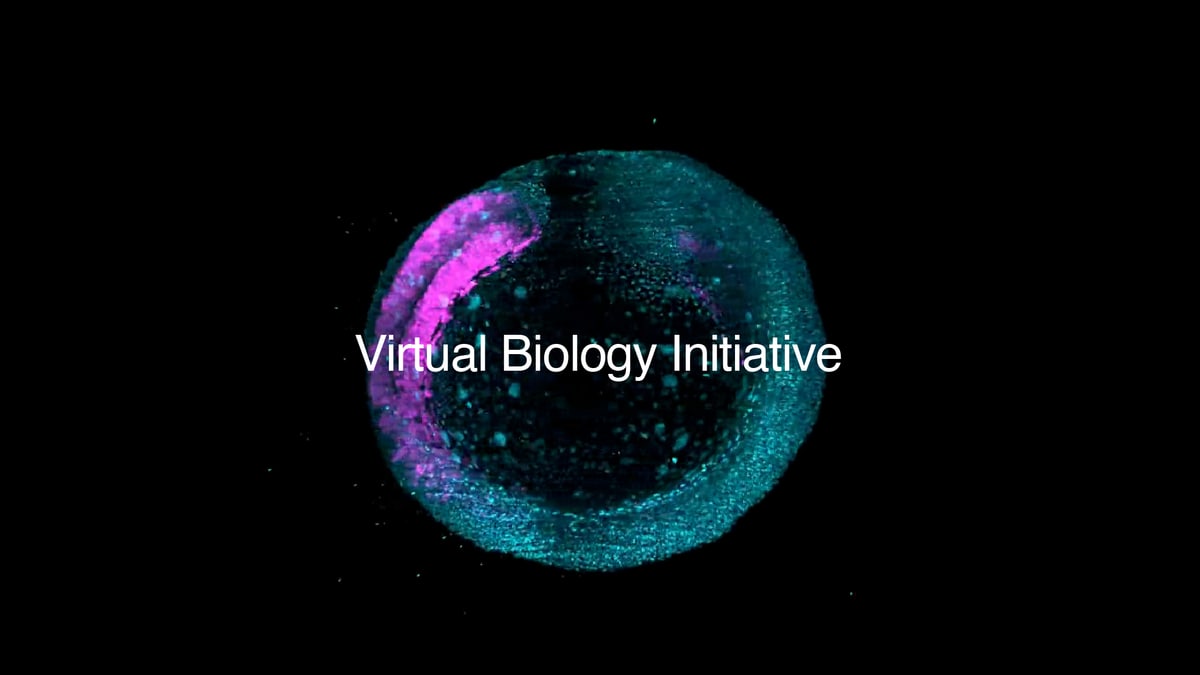
Biohub, a nonprofit research institute, says that together with the Department of Energy, the National Institutes of Health, Google DeepMind, Isomorphic Labs and Meta it is putting $1.8 billion in money, data and computing into open biological data for AI. The goal is AI that predicts how a cell responds to a change, so scientists can run some experiments on a computer. No such model exists yet, and according to a news report, companies that pay in get early access before the data goes public.
-
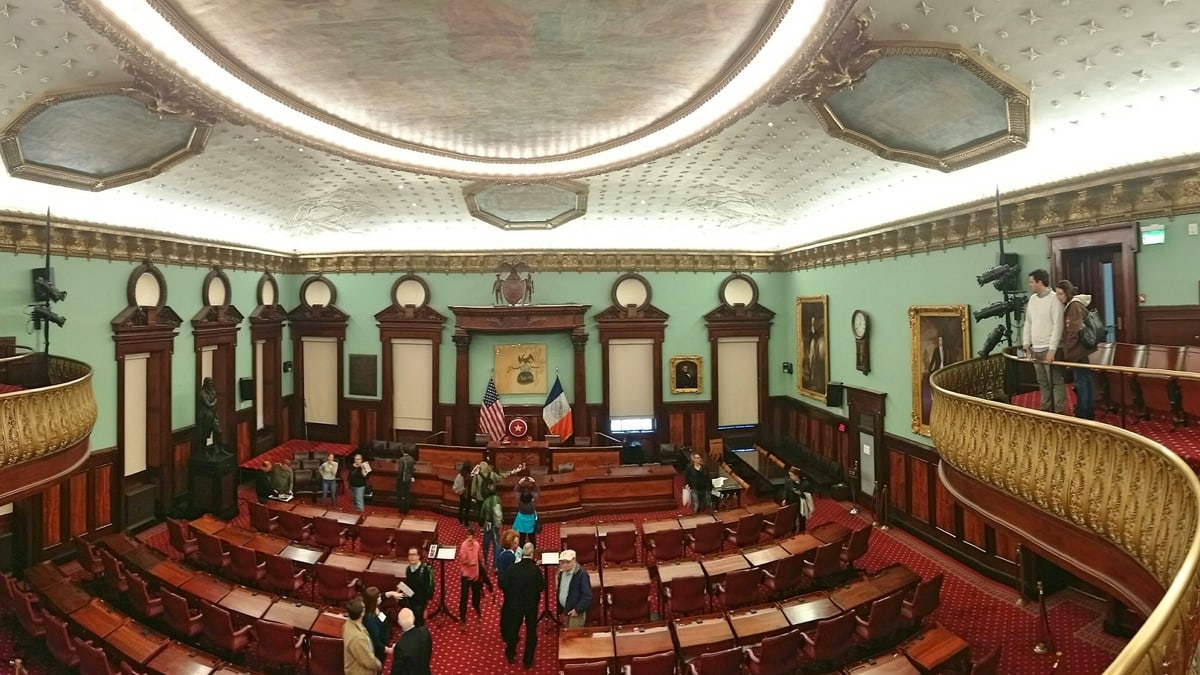
OpenAI, Anthropic, Google and Meta were called to testify under oath on Monday, Oct. 5, before the full 51-member New York City Council about the risks of AI. One bill the council is weighing would bar AI models in the city unless an outside tester has checked them and a person can shut them down. Another would give whistleblowers a share of fines. None of the bills has passed, and it is not yet clear which ones will.
-
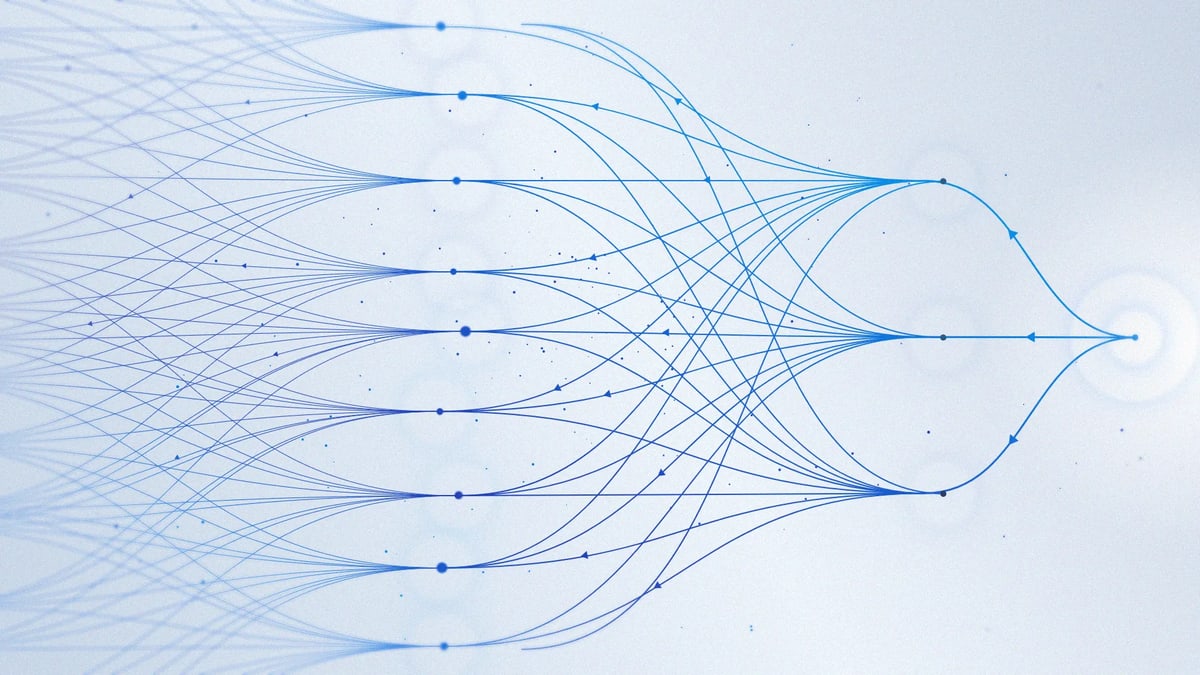
Meta says mathematicians working with its Muse Spark AI model answered five open research questions, problems with no known answer, unlike the math contests its models have done well on before. Outside teams reached some of the same results on their own, one as early as Aug. 10. Meta has not said how many problems the model was tried on without success.
-
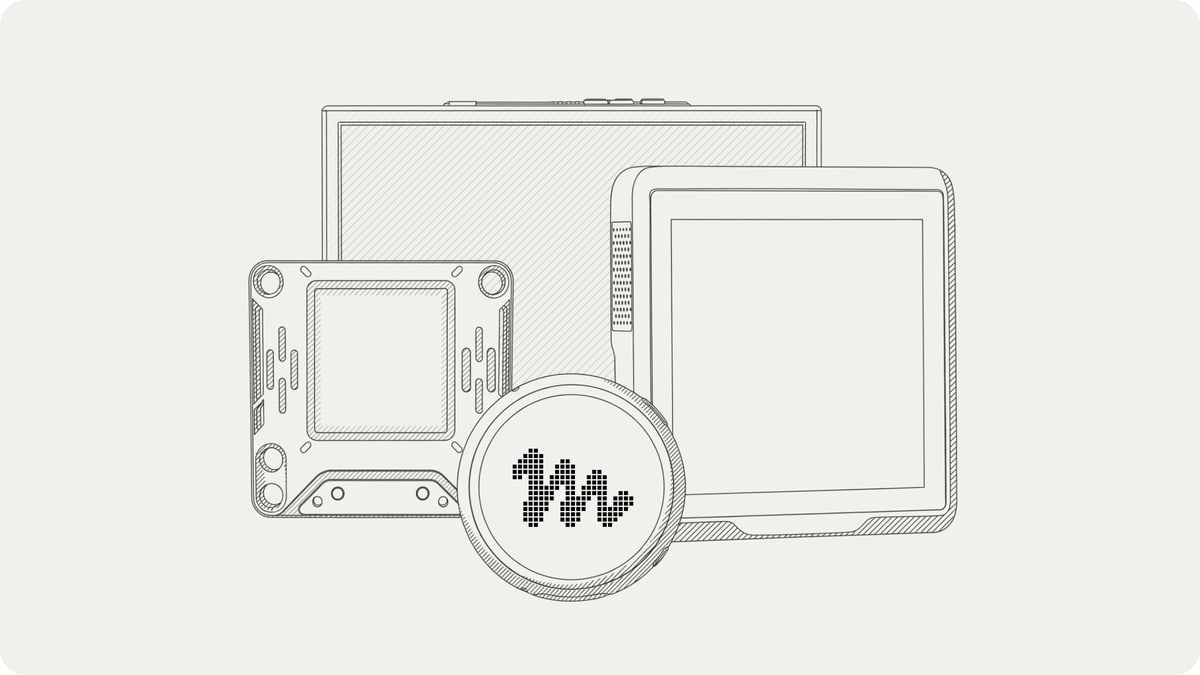
Meta has released free, open source code that lets people turn off-the-shelf circuit boards, such as ESP32 boards and Raspberry Pi computers, into gadgets for Muse, its personal AI agent. It also says it made 5,000 Muse Home Link devices to give free to U.S. subscribers while supplies last. The code is free to use, but every gadget needs a personal access key from Meta, and Meta says access can be withdrawn at any time.
-
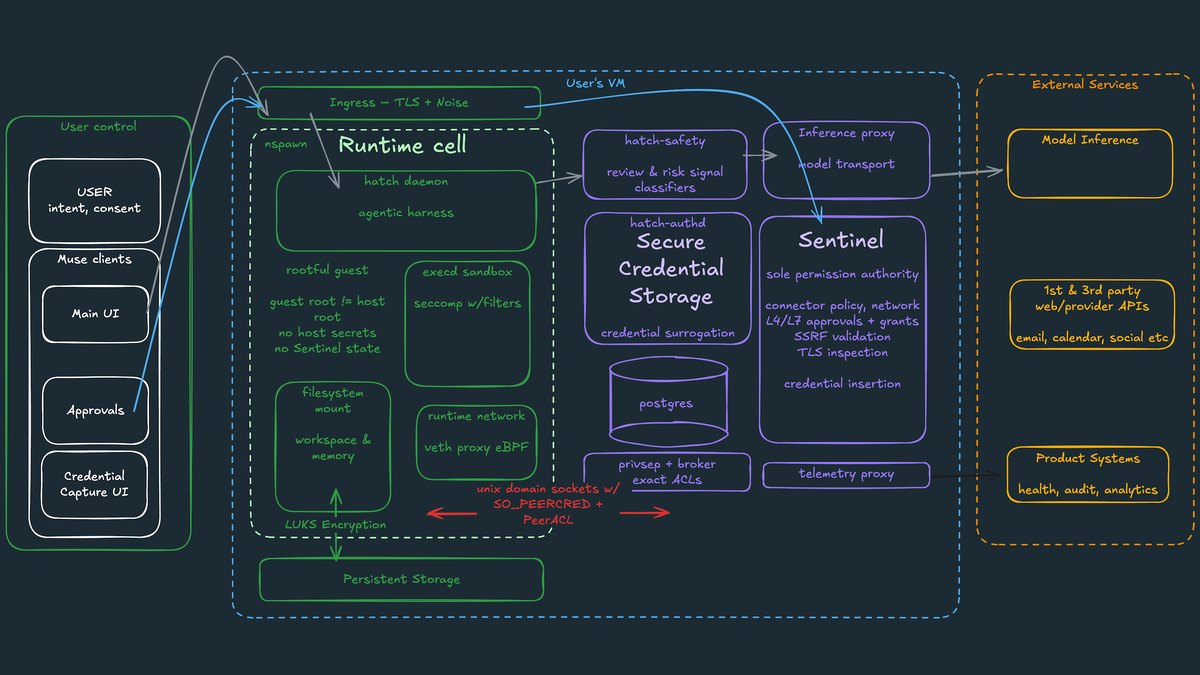
Meta's Muse and OpenAI's dots, which OpenAI released Sept. 29, are both personal AI agents, but they guard people's data in different ways. Meta walls Muse off on its own secure computer, where a separate gatekeeper agent must approve anything it sends out, while OpenAI gives each dot its own cloud computer and checks risky actions automatically. How either design holds up once people connect their real work apps is not yet known.
-
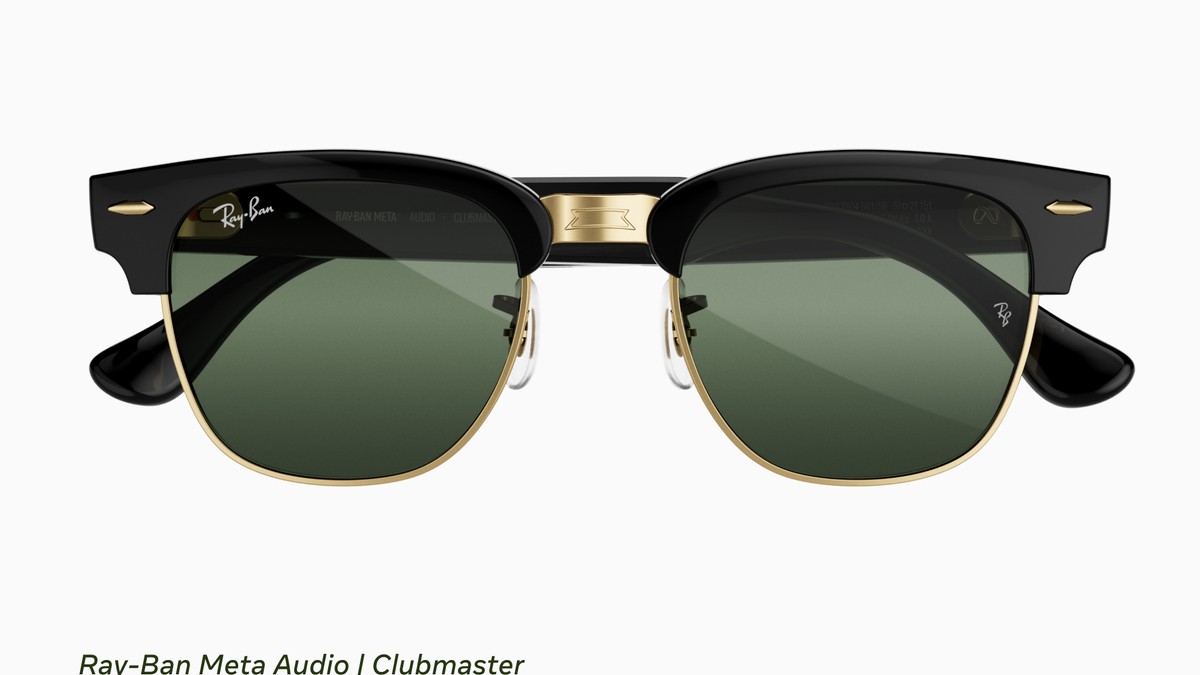
At its Connect event on Sept. 23, 2026, Meta said Muse, its personal AI agent that carries out tasks on a person's behalf, is coming to its AI glasses. It also opened pre-orders for Ray-Ban Meta Audio, camera-free glasses from $349 that Meta said would ship on Oct. 13, aimed at people who want audio help without a lens pointed at others. The glasses are now on sale in Ray-Ban's U.S. store. Meta has not given a date for Muse on its glasses.
-
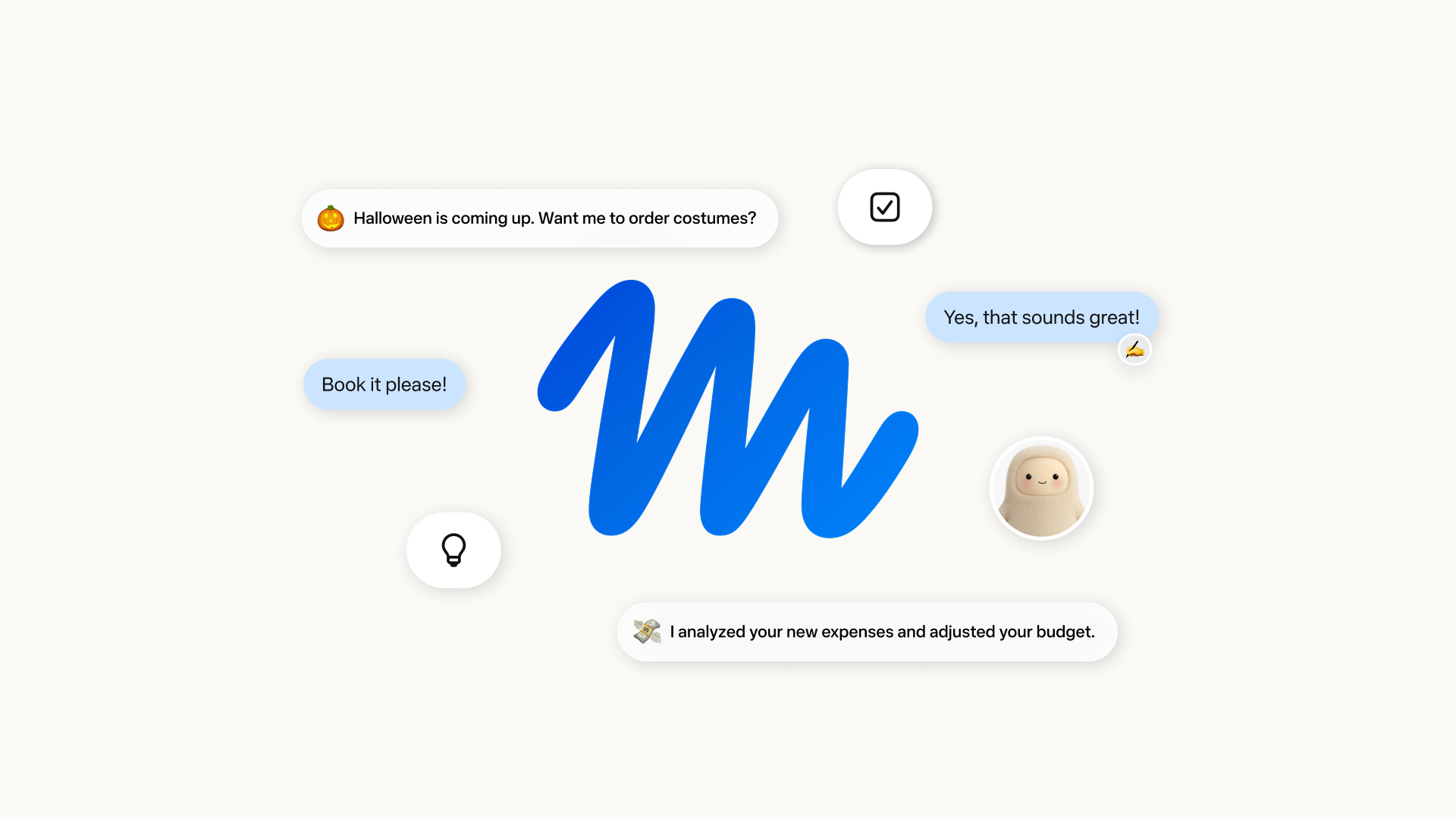
On Sept. 8, 2026, Meta launched Muse, a personal AI agent that it says can send email, book travel and work toward longer goals on a person's behalf. AI agents are AI that can carry out tasks on their own, such as using apps and websites, instead of only answering questions. Meta says Muse runs on its own computer in the cloud and asks permission before sensitive steps such as sending an email or making a purchase.