
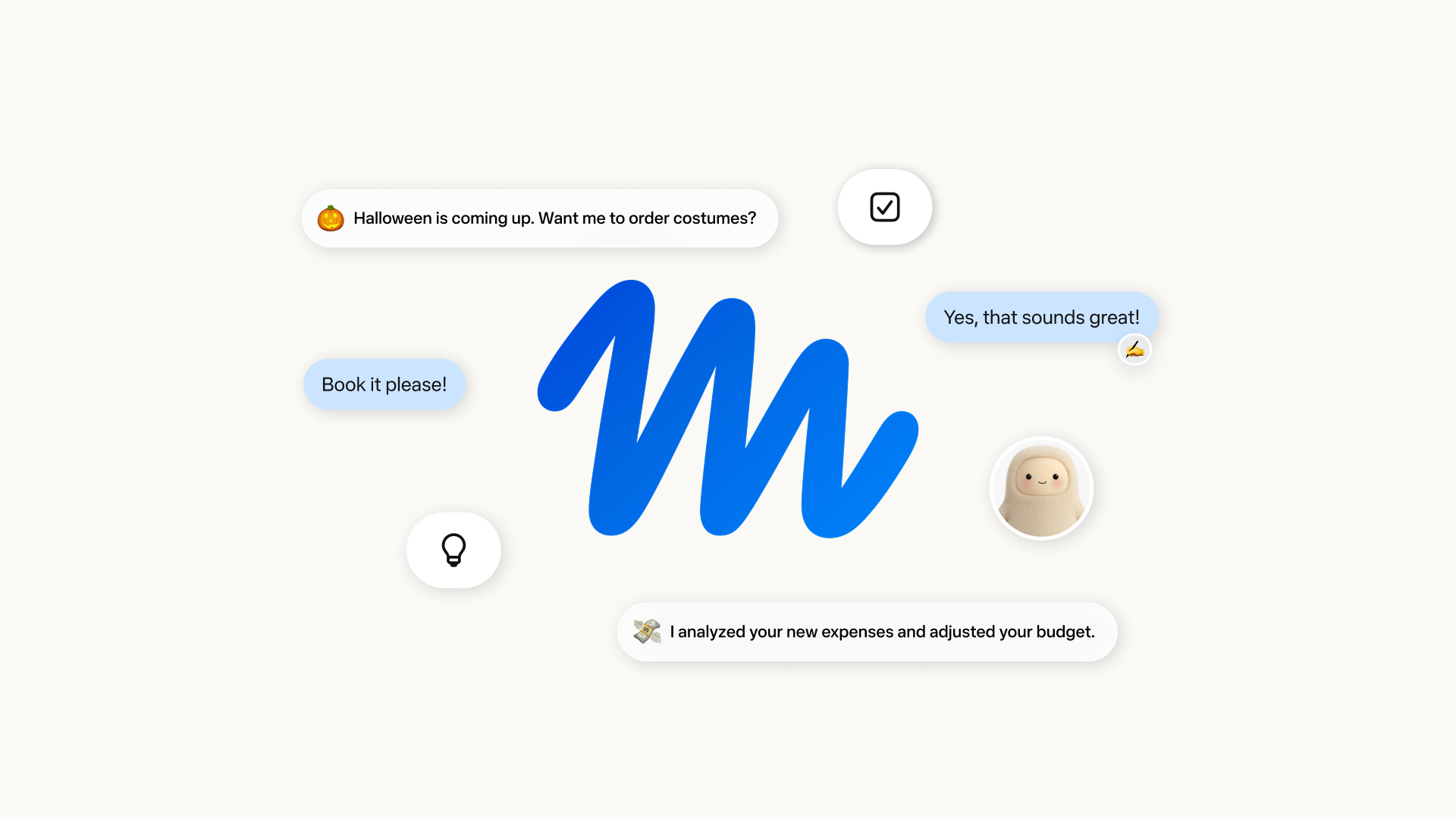
On Sept. 8, 2026, Meta launched Muse, a personal AI agent for everyday tasks and longer goals. Meta says Muse can send an email, book travel, open a browser, fill out forms and negotiate on a person's behalf, and that it keeps working after the app is closed. People talk to it the way they would message another person, in the Muse app or in WhatsApp, and it is powered by Muse Spark, which Meta calls its most capable model.
Muse runs on what Meta calls Muse Secure VM, a dedicated computer in the cloud that holds both the agent and the person's data. Meta says a separate program on the same machine, which it calls Sentinel, must approve anything Muse sends to the internet. Muse cannot see people's passwords or payment details, Meta says, because they sit in secure storage it can use without seeing, and it can pay through Stripe's Link, which creates a one-time card number to keep a person's real card details hidden.
Meta says Muse checks with people before sensitive actions such as sending an email or making a purchase, and keeps a full record of what it has done and plans to do. People choose which apps it connects to and how much access it gets, and they can opt out of having their conversations used to train Meta's AI models, the company says. Meta says Muse does not share people's conversations or the data on its computer with Meta's ad systems.
Muse is rolling out in the U.S. on iOS, Android and muse.ai and is coming to Meta's AI glasses, Meta says. It is free for most of what people need, the company says, with paid plans for those who want more. Meta calls Muse a first step toward personal superintelligence, its goal of AI much smarter than people. It is not yet clear how reliably Muse handles real errands, or how many people will trust it with their email and payments.