
Meta said on Friday, Nov. 6, that it is rolling out new AI models to people who use Muse, its AI app, and Meta AI, its AI assistant. It calls them specialized versions of its existing models, and says it trained them using Muse Wonder, one of the pair of models the company released a few weeks earlier and calls its most capable. It says only that it trained them with lessons from Wonder, aimed at the behaviors that matter in Muse, and has not described its method. When Meta released Wonder on Oct. 12, it said it would later use it to build specialized models for everyone who uses Muse, and that Wonder itself would soon power Muse, starting with subscribers; it has not said whether that has happened. Wonder is offered to software developers through Meta's API, a connection that lets developers plug Meta's models into their own apps, and through its coding tool Muse Code.
The new models carry two skills Meta first built into Wonder. It calls the first Active Memory: remembering what matters from earlier conversations and noticing when an old detail becomes useful again. The company says it trained the models to tell short-lived details from lasting ones and to spot information that has gone out of date. It calls the second Active Focus: keeping at a goal when something unexpected gets in the way, by trying harder, recovering or finding another way.
Meta gives three results for the new model in Muse. On a memory test the company built, it used the important earlier details correctly in 90% of tasks, up from 76% for the previous Muse model, so the share of tasks where it missed them fell from about a quarter to a tenth. On a combined score Meta uses for personal and work tasks, it scores 47%, against 38% for the model before. It also says that in Muse the models are 67% better at finishing everyday tasks when unexpected problems come up, but it does not give the starting figure.
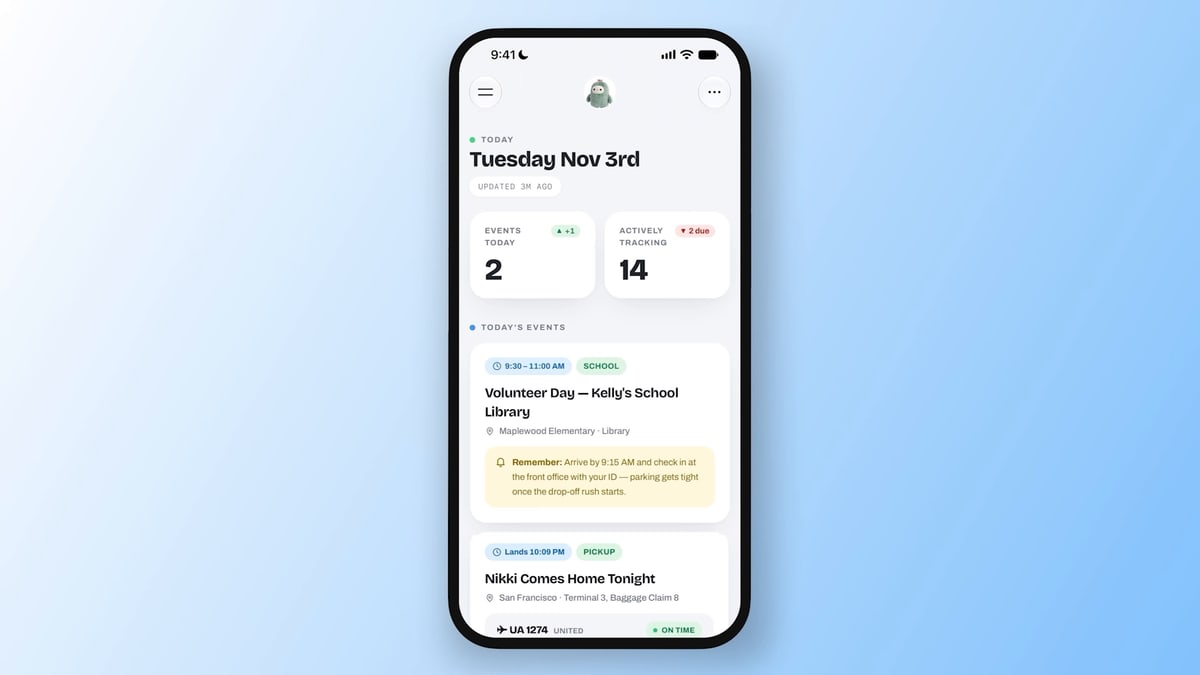
In Muse, the company says, the models learned when to push ahead on a person's goals by themselves and when to work through a task together, and that they are better at taking a change of plan halfway through without getting confused. In Meta AI, it says, the models break hard problems into clear steps, ask sharper follow-up questions and keep up when someone changes direction. The same day, Meta added spaces to Muse: small custom tools, such as a gift tracker or a trip planner, that Muse builds when a person describes what they want.
Every figure Meta gives is for Muse, and each compares the new model only with the previous Muse model, not with assistants from other companies. There are no figures for Meta AI, and the post does not name the new models or say how they differ from Wonder in size or cost to run.