
Meta says the trigger was mostly fast reading by an AI tool, rather than the posting Meta first blamed, when its automated defenses took the No Kings Coalition's Instagram account offline on Saturday, Oct. 17, during the group's nationwide rallies to get people to vote early. The coalition is a protest movement that calls itself nonpartisan and arose last year in response to President Donald Trump's actions.
In an update on Sunday, Meta's vice president of communications, Andy Stone, wrote that the company's network security systems saw "a Claude tool" reading profiles, posts and hashtags through the account. That reading jumped to about four times as much, in intense bursts, he wrote. Claude is an AI made by Anthropic. Meta did not say whether the tool was Anthropic's own or one someone else built on Claude.
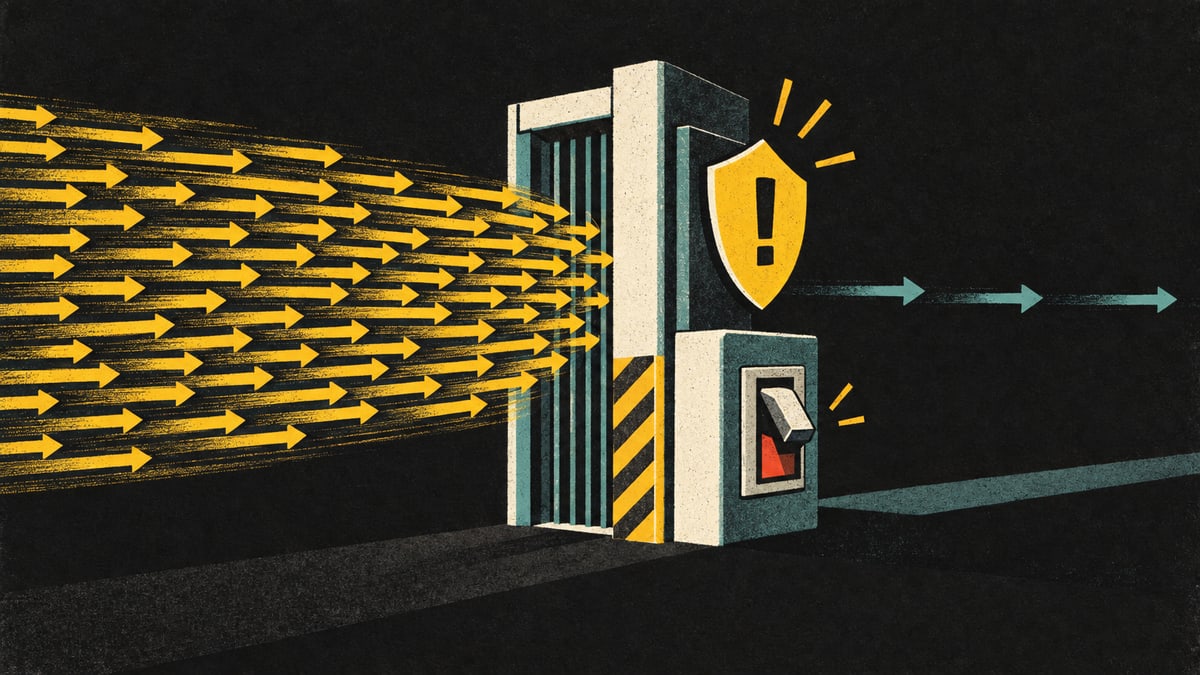
Meta says these sudden, high-volume, back-to-back requests looked like automated bot traffic rather than a person browsing, so its protections shut the account. To Meta's systems, page after page opening that fast looked like a program at work, not a person scrolling. An automatic second review about an hour later found the removal was a mistake and restored the account, Meta says, though it took longer to give the group's administrators their access back.
Meta's first explanation, on Saturday, was different. Stone wrote then that posting, sharing or commenting at very high rates can trigger automated systems, and that this had happened to the No Kings account. Organizers disputed that, saying they had posted only a handful of times and livestreamed to thousands of people. The coalition says its page was hidden for about 90 minutes and that organizers stayed locked out after it reappeared, until full access returned at 5:33 p.m. New York time. It called restricting communications about voting in the middle of an election "unacceptable" and said Meta must take steps to ensure it never happens again.
Meta has apologized twice and called the takedown an error. The coalition says it held nearly 3,000 events that day, part of a push to get people voting before the Nov. 3 midterm elections.
Meta has not said which tool it was, who ran it or why. It has also not said whether it will change how its systems treat tools that read pages at that pace.