
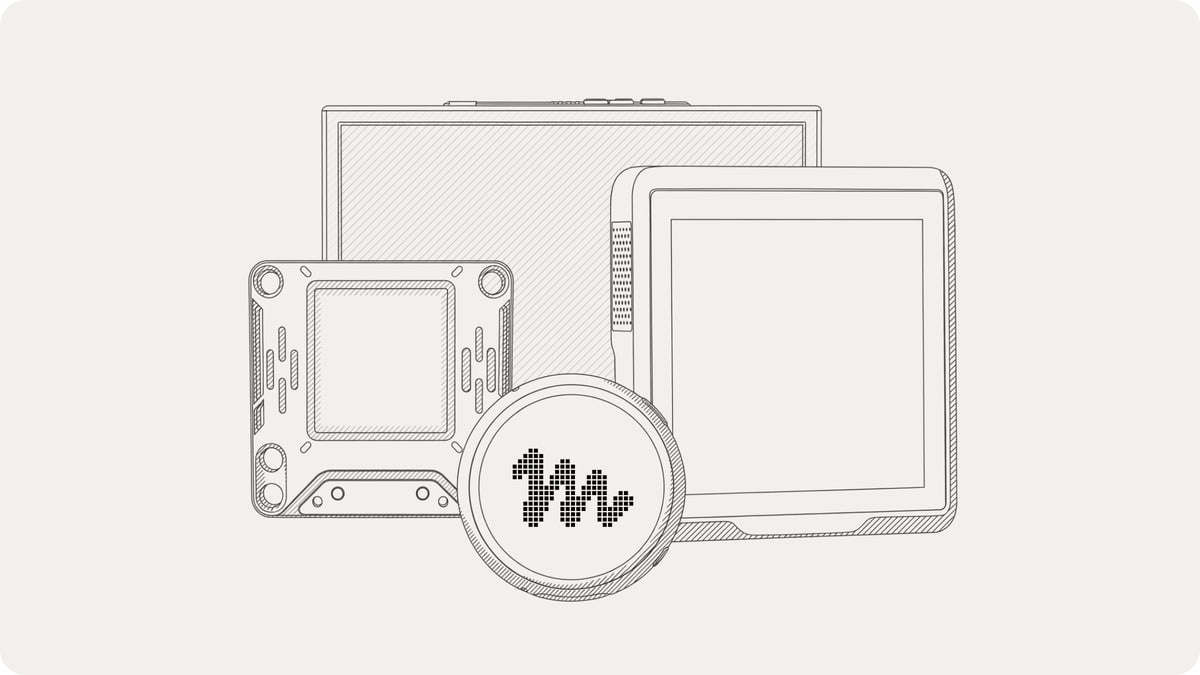
Meta is inviting people to build their own hardware for Muse, its personal AI agent. On Friday, Oct. 2, the company launched Muse Gadgets, open source firmware and software kits that connect off-the-shelf ESP32 boards or a Raspberry Pi to Muse, along with displays, buttons, sensors and other parts. Nat Friedman of Meta Superintelligence Labs, who announced it, called it a side project.
There are two kits: one for ESP32 boards and one for Linux machines such as a Raspberry Pi. Meta lists starter projects on boards sold by other companies, including a round touch screen, a pocket-size M5Stack device, a Seeed color e-ink display and the Home Assistant Voice Preview Edition speaker. An HDMI stick that puts Muse on a TV is listed as coming soon. The code is on GitHub, mostly under the Apache 2.0 license, and gadgets pair through the Muse app on iOS and Android.
Meta also built its own gadget, the Muse Home Link, a USB-C device on an ESP32-C5 chip that joins home Wi-Fi so Muse can reach compatible devices on the network. Its firmware is based on the open source ESP32 kit, Meta says, but the Home Link itself runs only Meta's official firmware and cannot be reflashed. Friedman says Meta made 5,000 units. Meta says they are free with an active Muse subscription in the United States, one per subscriber, and ship in October on a first come, first served basis. Claiming one holds a place in line; it is not an order. Muse is free with a usage limit, and paid plans cost $20 or $100 a month.
The open code does not include access to Muse itself. Meta's terms say the code license grants no right to the tokens gadgets need. Every gadget needs a personal SDK token from Meta to pair. The token terms allow personal, noncommercial use, cap each token at 50 devices, and bar selling, or listing in public marketplaces, devices that carry it. Meta says the kits are not a supported product and may change, stop working or be withdrawn without notice. It also warns that community-built skills can break and should not be used for home security, emergencies or medical needs.
Still unknown: whether the 5,000 Home Link units are already spoken for, whether a free Muse account counts as an active subscription for the giveaway, and whether Meta will publish the Home Link's hardware design.