
Meta said on Monday, Oct. 26, that it is selling new shares, about $37.5 billion once it set the price that evening, and plans to sell up to $60 billion more, about $97.5 billion in all, money it says supports its continued investment in AI infrastructure. The $60 billion program would start early next year at the soonest. The banks handling Monday's sale can also buy up to about $5.6 billion more shares within 30 days. Selling shares is a way to raise money without borrowing, but it causes dilution: every share already out there now owns a smaller slice of the company and its earnings.
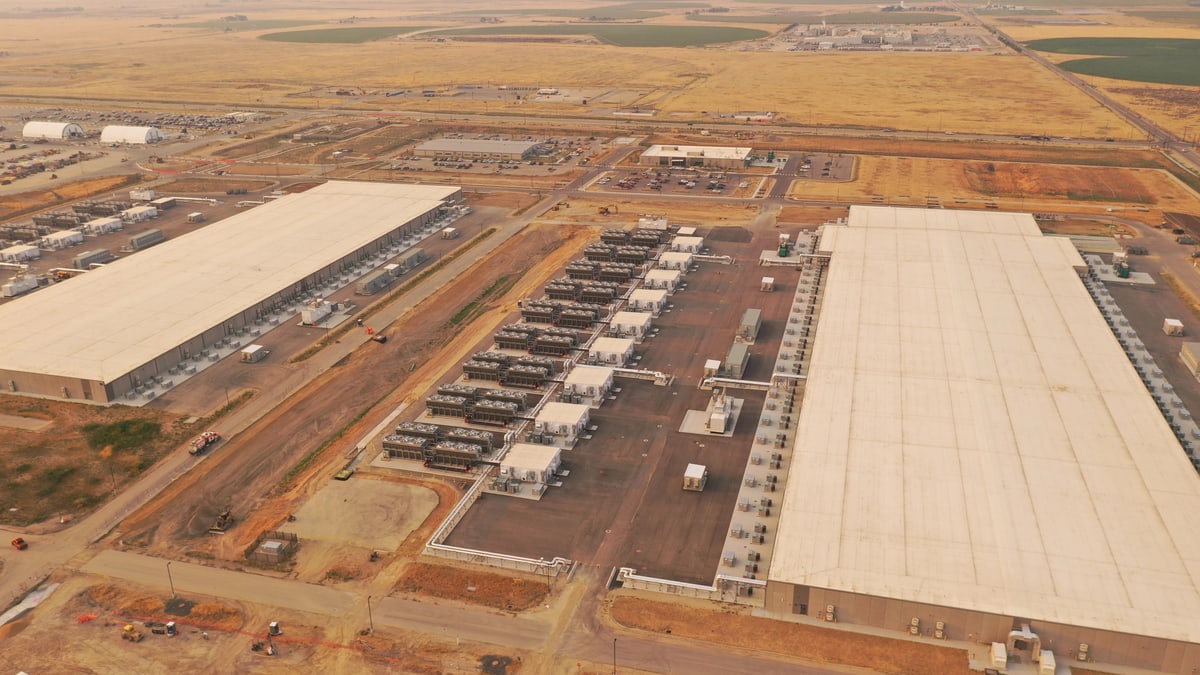
Meta says the money backs an enormous build-out. Meta expects capital spending, the money it puts into long-lasting assets such as buildings and equipment, of $135 billion to $145 billion in 2026. It says it is building four huge AI computing sites it calls superclusters and is on track to nearly double its total infrastructure capacity this year. In the third quarter, from July to September, its free cash flow, the cash its business brought in minus what it spent on buildings and equipment, including leased equipment, was negative $2.12 billion, meaning it spent more than its business brought in, down from positive $10.63 billion a year earlier. Meta still generated $97 billion in cash from its operations in the first nine months of the year and held about $82 billion in cash and securities at the end of September.
Monday's sale has two parts. Ordinary Class A shares, the kind that trade on Nasdaq, make up $25 billion, sold at $625 each, up from the $22.5 billion Meta first planned. They are sold through Morgan Stanley and Goldman Sachs under agreements that let Meta hand over the shares and collect the cash later, on dates it picks up to Nov. 19, 2027. The other $12.5 billion is preferred stock, a special kind of share that pays a dividend, 6.50% a year, and, unless converted sooner, automatically turns into ordinary shares around Aug. 15, 2029. Meta says NVIDIA, AMD and Broadcom, three chipmakers, have shown interest in buying up to $5 billion of the Class A shares, but none of them is bound to buy.
The bigger $60 billion piece would use Class C shares, a new kind of Meta stock that carries no votes. Meta announced the new class on Oct. 21 and expects it to take effect in January 2027, with one Class C share given for each existing share. Meta says the new class will continue its founder-led model under Mark Zuckerberg. Meta says it does not expect the $60 billion program to start before the first quarter of 2027, after the Class C shares begin trading, and that it has signed no agreement for it, has not set its timing, size or terms, and may not set it up at all.
Meta says it will keep paying for its plans with a mix of cash from its business, borrowing, partnerships and new shares, and that its AI spending already pays off in more time spent on its apps and better-performing ads. Whether the build-out will earn back its cost is not yet known.
Update (Oct. 28): Meta set the price on the evening of Oct. 26, raising the ordinary-share part to $25 billion at $625 a share, up from the $22.5 billion it first planned, and setting the preferred stock's dividend at 6.50% a year. The sale is now about $37.5 billion, and the banks' extra 30-day options about $5.6 billion.
Correction (Oct. 27): an earlier version of the headline and story said Meta's sale came to up to about $95 billion. The banks can also buy up to about $5 billion more shares within 30 days.