
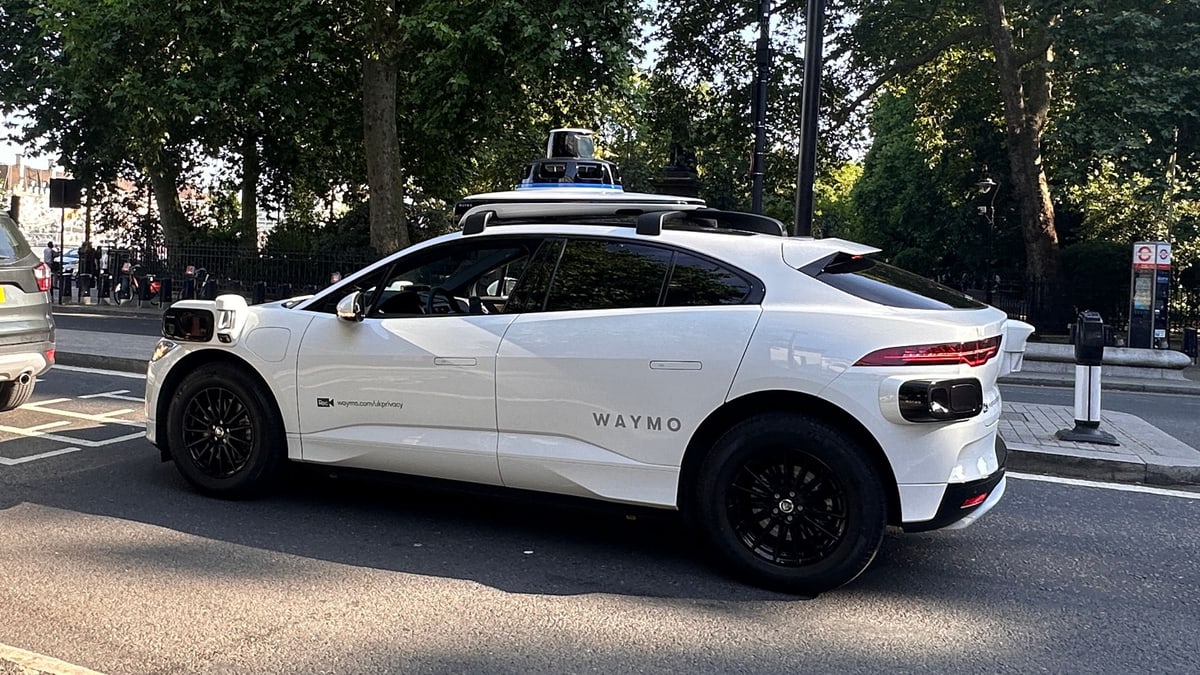
A committee of the London Assembly, which acts as a check on London's mayor, has published a report that pushes back on plans to bring driverless taxis to London. "As it stands, we currently have not heard sufficient evidence to persuade us that London should welcome autonomous passenger services," the Transport Committee writes. Waymo, Wayve with Uber, and Freenow with the Chinese technology company Baidu Apollo all aim to launch driverless taxi services in London, and no city in Europe has fully driverless cars offering taxi rides yet. London could be the first.
Much of the report is about who gets to say yes. Transport for London (TfL) licenses the city's black cabs and minicabs, but a driverless taxi service needs a permit from a national body, the Driver and Vehicle Standards Agency, under a scheme that opened for applications in May 2026. TfL's only role is to consent or not. If it refuses and gives its reasons in writing, the permit cannot be issued. Under the law, it has six weeks to answer, and if it stays silent, or refuses without giving written reasons, consent is treated as given. TfL has no formal power to attach conditions to a permit, the committee notes, and only the national agency can suspend or withdraw one.
The committee wants that to change. It asks the government to hand TfL the power to issue and withdraw these permits, set conditions and cap how many driverless cars companies can run in London once fuller rules under the Automated Vehicles Act come into force in 2027. In the meantime, it wants a formal way for TfL to ask for a permit to be suspended, with the suspension taking effect at once while the transport secretary decides, and it says TfL should publish strict conditions for its consent and refuse it when they are not met. Those conditions include a higher safety bar than the national standard, which asks driverless cars to be at least as safe as a careful and competent human driver; a report on every crash and near miss within 24 hours, with an account of how the car decided what to do; figures on the miles the cars drive with no passenger, which TfL would publish alongside traffic data; and a common plan, drawn up with police, ambulance and fire services, for how the cars deal with emergency crews.
Riders and drivers get attention too. The committee notes that the driverless cars being tried in London are not wheelchair accessible, and it wants services designed together with disabled people, remote assistants who are based in the UK and pass background checks, and a funded plan for taxi and private hire drivers who could lose work. Londoners are wary: in a YouGov survey of more than 1,000 Londoners that the committee commissioned, carried out in June, 42 percent opposed driverless taxis in London and 29 percent supported them. "Driverless cars may offer convenience, but could also delay local buses, add pollution outside schools or snarl up a busy junction," the committee's chair, Caroline Russell, writes.
The companies are moving at different speeds. Waymo told the committee it expects to offer rides in London this year with a fleet "in the low hundreds" if it gets a permit. Wayve and Uber hold private hire (minicab) licences from TfL for 15 cars fitted with driverless technology, but a licensed driver stays legally in control at all times. Freenow says it intends to launch passenger services in 2027. In July, TfL told the committee it knew of no permit applications so far.
TfL is still writing its own guidance on when it would consent, and a TfL director told the committee the guidance would not be ready "for some time." The government expects the fuller national rules in the second half of 2027. It is not yet clear whether ministers will give TfL the powers the committee wants, or how TfL will treat the first applications when they arrive.