
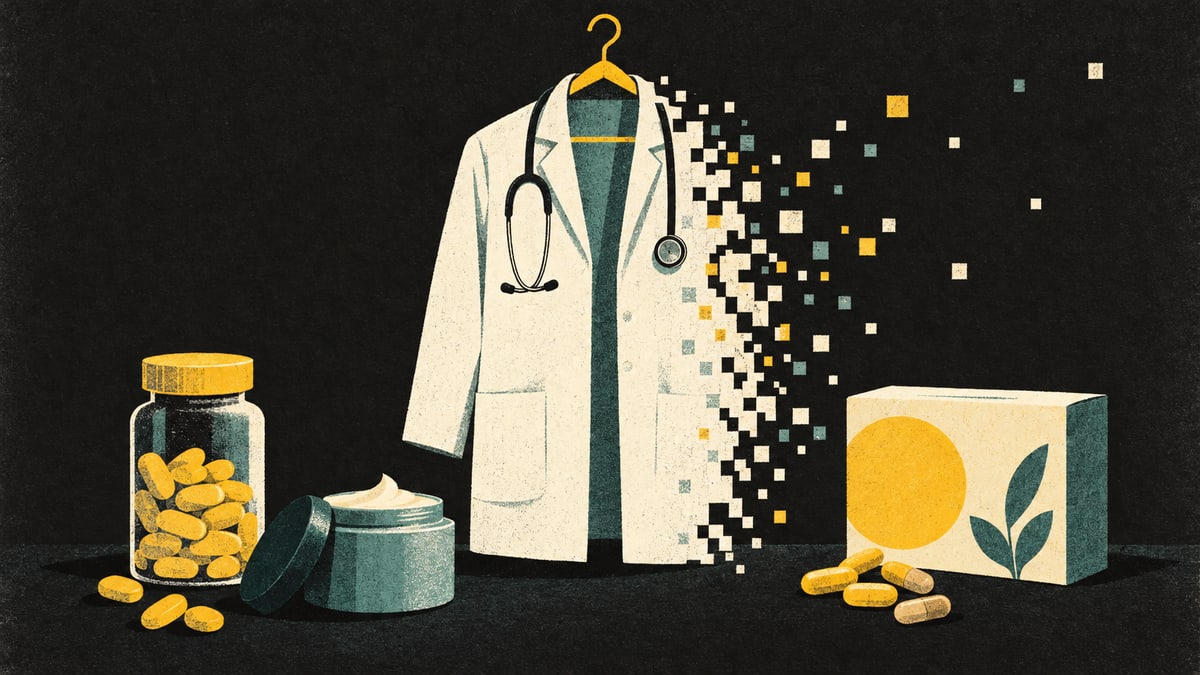
South Korea's Ministry of Food and Drug Safety says that from Friday, Nov. 27, ads may no longer use AI-made doctors or other experts, made to look real, to recommend a food, a medicine or a cosmetic. The ban covers food, health supplements, and meat, milk and egg products. It also covers medicines, quasi-drugs (a Korean legal class of health products), and cosmetics, and it reaches medical devices on Dec. 10. The ministry says ads in which lifelike made-up people, such as doctors and professors, recommend products have been increasing as AI improves. It says the measure is meant to protect buyers from losing money and from harm to their health.
The ban comes from changes to four laws, on food labels and ads, medicines, cosmetics and medical devices. They followed a government plan, agreed at a national policy meeting on Dec. 10, 2025, to fight false and exaggerated ads made with AI that disrupt the market. The amended food ad law became law on May 26, 2026, and takes effect Nov. 27, the ministry says. That law now lists a new kind of unfair ad. It is one that uses made-up sounds, images or video, created with AI and hard to tell from the real thing, that could lead people to believe a doctor, pharmacist, university professor or other expert vouches for, recommends or uses the food. Food ads that say a real doctor or professor vouches for or recommends a product were already penalized. In its August draft of the rules, the ministry proposed raising those penalties to the same level as for AI-made experts. The ministry's new rules, which carry out the laws, set its standards for penalties.
Under those standards, a food, health supplement, or meat, milk and egg business faces a 15-day suspension of business for a first offense, a month for a second and two months for a third. For a medicine or quasi-drug, the company may not advertise that product for a month after a first offense, then two, three and six months after a fourth. For a cosmetic, the advertising ban starts at two months and reaches 12 months from the fourth offense. From Dec. 10, a medical device can be pulled from sale for 15 days after a first offense, rising to six months after a fourth.
Separately, the ministry set up an emergency team for food on March 24, 2026, to fight fake, doctored and misleading information and unfair ads that disrupt the market. It says the team gathers information, inspects and cracks down on sellers, checks claims scientifically and works on rule changes. The ministry says it keeps stepping up checks on unfair ads, and plans to protect people from ones that misuse AI and other new technology so they can shop online with confidence.
The ministry gave no count of how many such ads run today. It has not said how it will find them online.