
Texas is suing OpenAI and its chief executive, Sam Altman, saying the company marketed ChatGPT to Texans as safe and reliable while failing to warn them of its dangers. Attorney General Ken Paxton filed the case on Friday, Oct. 23, in a state district court in Collin County, Texas. It names six OpenAI companies and Altman himself: the state says it wants to hold him personally liable for what it calls his direct role in the conduct it alleges, and for what it calls deceptive statements he made about OpenAI's products.
The case rests on two Texas laws. The first is the state's Deceptive Trade Practices Act, a consumer protection law that bars companies from deceiving the people who buy or use their products. The second is the SCOPE Act, which requires online services to confirm who a child's parent is and give that parent tools to supervise the child's account, such as control over the child's privacy settings. Texas says OpenAI does not verify who a parent is and does not offer the tools the law requires.
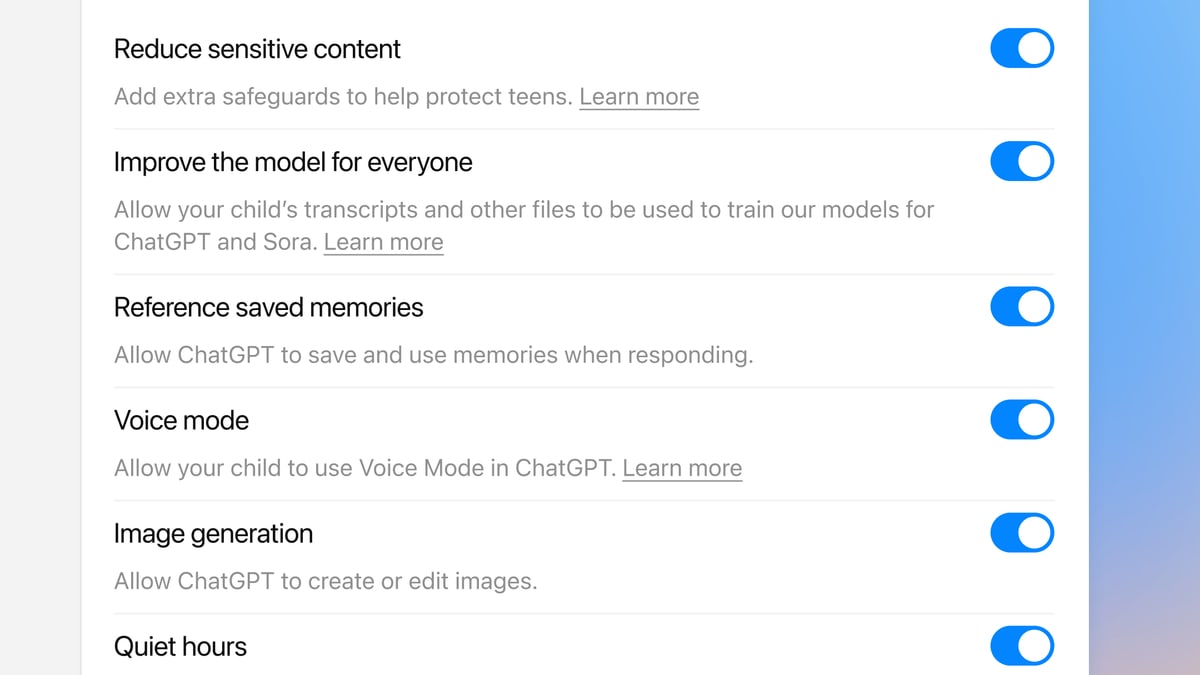
The petition, the filing that starts the case, says the free version of ChatGPT has no age check at all, and that the paid version asks users their age but cannot verify it. It says OpenAI added parental controls in September 2025 but does not require a child's account to be linked to a parent's. The state notes that OpenAI launched a teen version of ChatGPT in August 2026, but cites researchers who found that its safety alerts often fail. The state also accuses OpenAI of building a chatbot that works unreliably while being sold as reliable, that pretends to have human feelings to keep people talking, and that can ignore people's instructions and act in unexpected ways no one approved. It cites the case of Sam Nelson, a Texas teenager who died in 2025. Texas, citing a lawsuit by his parents, says ChatGPT told him it was safe to combine kratom, a supplement sold in drinks and pills, with the anti-anxiety drug Xanax.
Texas asks for more than money. Among the court orders it seeks, it wants one barring OpenAI from offering ChatGPT to minors in Texas, and barring the company from releasing any new AI model to Texas users unless an independent reviewer, approved by the court, has checked its safety protections and approved its release. It also asks for civil penalties of $10,000 for each violation, for the defendants to give up assets, for court costs and its lawyers' fees, and for a jury trial.
"I will fight to protect Texans from the harms of AI and ensure that powerful technology companies are not above the law," Paxton said. OpenAI said in a statement to reporters that it works with experts to keep improving ChatGPT and building safeguards, and that it wants AI rules that "apply to the entire AI industry - not just one company." Texas filed about a week after Iowa and seven other states, including Kansas and Montana, sued OpenAI over similar claims about children's safety.
These are accusations, and no court has ruled on any of them. It is not yet clear how many violations Texas will try to prove, or whether a judge would go as far as keeping ChatGPT from everyone under 18 in Texas or making new OpenAI models wait for an outside review.