
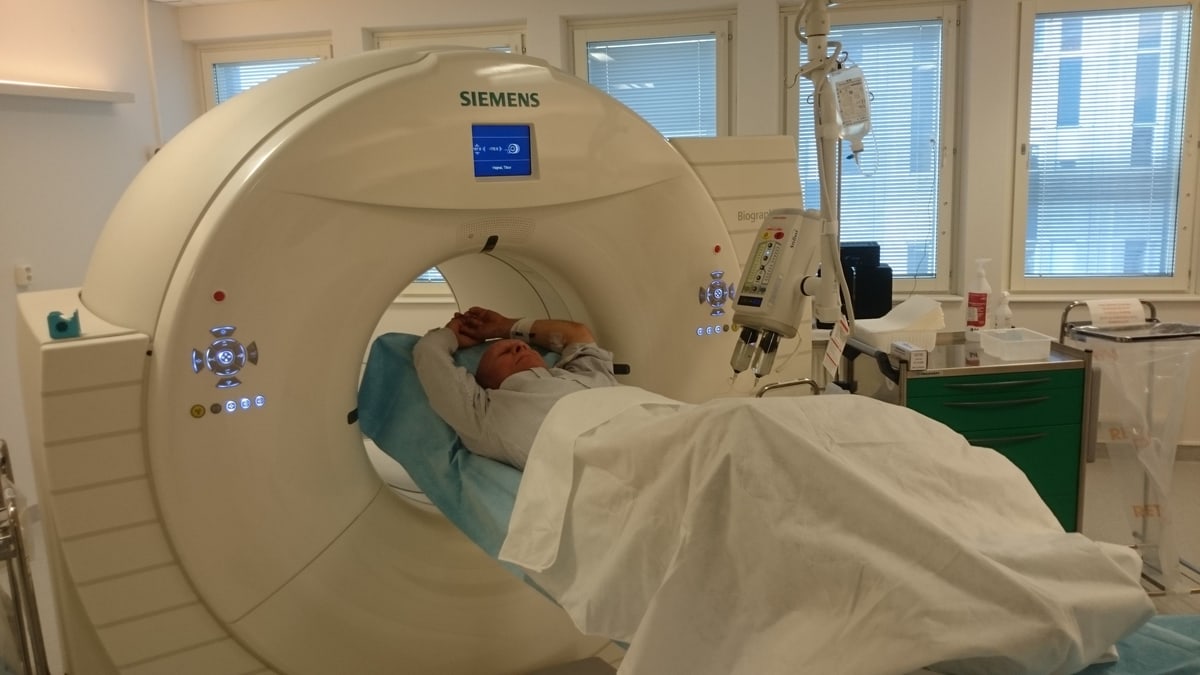
The UK government on Tuesday, Oct. 6, accepted all 44 recommendations of the National Commission into the Regulation of AI in Healthcare, a panel led by NHS doctors that the country's medicines regulator, the MHRA, set up in September 2025. Some AI tools used in care count as medical devices in the UK, so they fall under medical device rules written in 2002. The government says those rules are "not fit for purpose" for AI, which has changed a great deal since then. AI is already at work in the NHS: stroke services use it to help doctors read brain scans quickly and spot patients who could benefit from urgent treatment.
The biggest shift is in when AI tools get checked. Today the system leans heavily on checks made before a tool reaches patients. The commission concluded that AI medical tools should be assessed and watched throughout their working life, since how well they really perform shows up in daily use and they change as makers update them. The government accepted this and says it will look at how to build its rules around it. The MHRA says it will publish draft guidance by December on how makers can set agreed limits in advance for how an AI tool may change once it is in use, so that updates within those limits are planned for from the start.
Other steps follow. Next year the MHRA will ask for public views on which AI products count as medical devices, and so must meet those rules, and how they should be classified. It plans a public database where anyone can search reports of problems with medical devices, AI ones included, and the government will work to make it easier for patients to get redress when care falls short. The MHRA has also opened applications for the third round of AI Airlock, a program where developers test real AI tools with the regulator. This round focuses on how tools can be watched once they are in use, has three more years of funding, and will pick its first group in November.
The Royal College of Physicians, a professional body for doctors that contributed to the commission's work, welcomed the response. "It is crucial that AI is implemented in ways that support rather than replace professional judgement," said Dr. Anne Kinderlerer, its clinical digital health lead, warning that failures "could undermine confidence among both clinicians and the public, risking more restrictive intervention later."
Accepting the recommendations does not yet change the rules. Several steps need new legislation, and for most of the 44 the government says details will come by spring 2027, when it plans to publish a full timetable. Scotland says it will set out its own response later, and it is not yet clear how the changes will affect what companies must prove or how quickly new tools reach patients.