
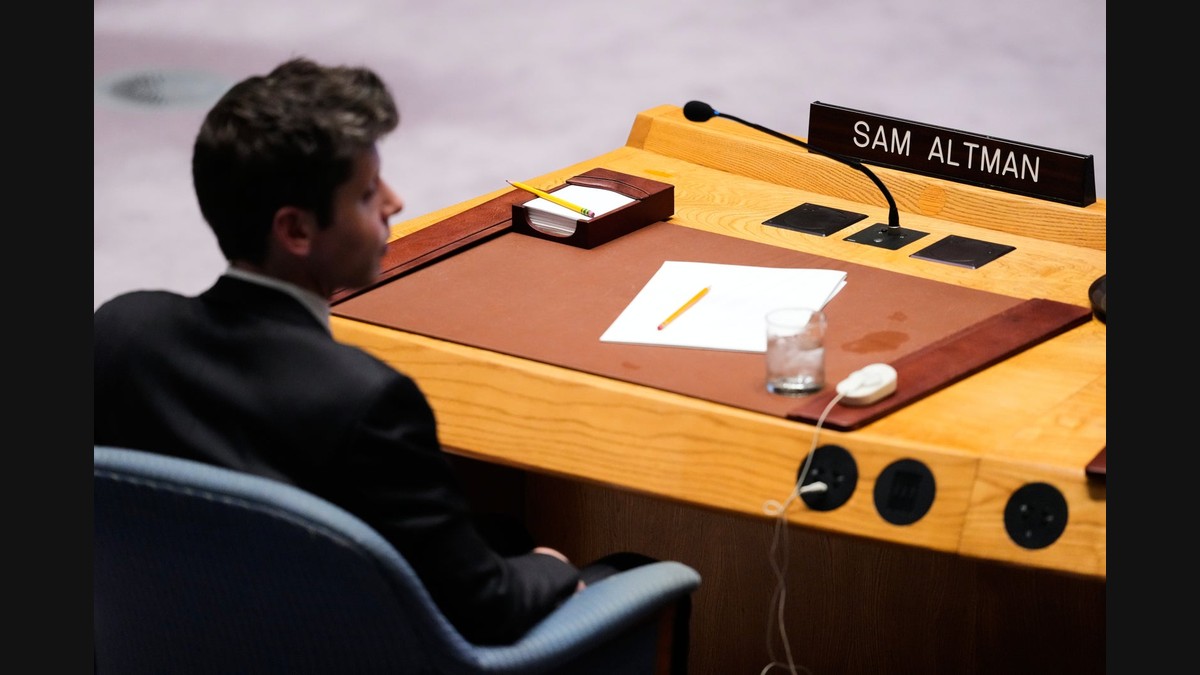
America's two leading AI labs are sounding the same alarm and, according to Associated Press, trying to shape how that alarm gets answered. AP's Garance Burke reported Sunday that Anthropic and OpenAI CEOs have declared frontier models so powerful they are dangerous and need regulation plus independent testing before release. In a rare stretch of unity, they have sketched those scenarios in essays, social posts, and United Nations speeches. The stake is who writes the safety rulebook while the market stays largely unregulated.
AP says that with that rhetoric the companies appear to be seeking public favor and to set the terms for their own safety protocols. Conrad Stosz, a former CAISI leader now at Transluce and chair of the AI Evaluator Forum, told AP the labs are not calling for more oversight from the existing federal Center for AI Standards and Innovation. Instead, he said, they vow to create their own auditing parameters and choose particular evaluators to grade them.
PitchBook senior research analyst Harrison Rolfes told AP the caution calls look meant to curry investor favor ahead of public offerings and the midterms, and can build a competitive moat using safety as the reason. An Anthropic spokesperson told AP the company has been calling for regulation for several years. OpenAI spokesperson Liz Bourgeois said safety starts with what companies like hers do themselves, noting the firm recently paused training of its most advanced models. That pause detail is supporting color here, not a fresh operations lead.
Sarah Shoker, who previously led OpenAI's geopolitics team, told AP that existential-risk talk can deprioritize present harms such as military AI use. AP also notes President Trump has dismissed humanity-risk talk as a "HOAX" and shown little appetite for new AI rules, while CAISI still exists alongside independent evaluators such as METR. Those politics points sit under the joint-alarm frame rather than as separate cards.
What remains open is whether the labs' preferred evaluators become the de facto standard, or whether Congress, CAISI, or statehouse rules take a harder hand. Outside coverage reviewed for this article treats the piece as an analytical governance frame, not a new product launch or an enacted statute. The story here is the joint alarm plus the push to shape controls. It is separate from OpenAI agent-incident scale cards, from training-pause sandbox mechanics, from the Waters FSOC ask, and from Amodei's White House dinner.