
Lute, a start-up that builds AI models to run robots, said on Wednesday, Nov. 25, that it has raised $20 million in two early rounds of funding. OTB Ventures and FORWARD.one co-led the latest round, which follows an earlier one led by Credo Ventures and Seedcamp. Inovo VC, Borusan Ventures, ff Venture Capital and the investor Naval Ravikant also took part. Lute started in January 2026 and is hiring in Warsaw and San Mateo, Calif.
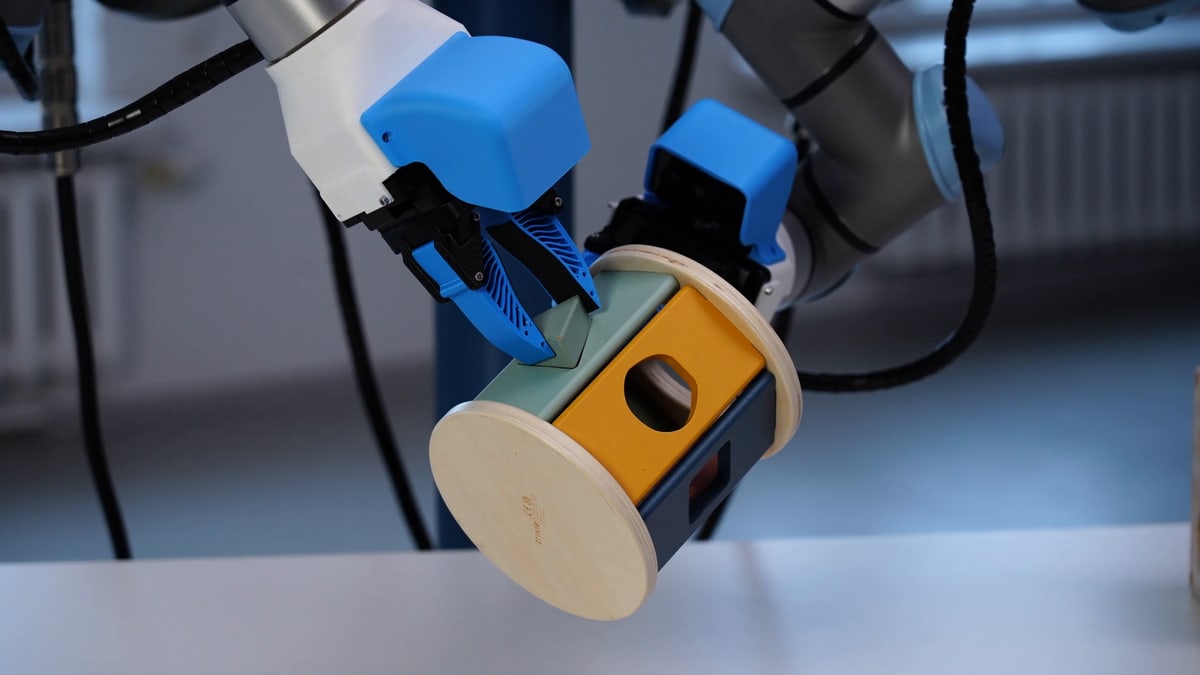
Lute's bet is that robots need a sense of touch. Most robots and the AI that runs them rely on vision only, Lute says. Vision shows a robot where things are, but says little about contact: how firmly it holds an item, whether the item is starting to slip, or how soft or fragile it is. People feel those things, and can feel a box start to slip from their grip before they see it move. Lute designed soft, compact touch sensors with partners and built them into a portable kit, which it says lets it collect touch data anywhere and train its models on touch as well as vision.
Lute's first model, Lute-0, takes in views from cameras on the robot's wrists, an instruction and touch readings. From those, it predicts what the scene will look like next and the robot's next movements. Lute says it trained Lute-0 on far less data than a rival model, π0.5, and in much less time, and calls π0.5 the leading openly released robot model. In Lute's own tests on five store tasks, Lute-0 succeeded more often on each one: 82% of tries at picking and placing fruit against 72% for π0.5, and 76% against 22% at handling vegetables. The narrowest gap was with squashable packs, 70% against 62%. Lute says Lute-0 also reacts twice as fast as π0.5.
Lute says its models already work at Europe's largest automotive parts distributor and run in hospital corridors, and that it works with some of the world's largest retailers to put robots in their workplaces. It names none of them. Lute says the robots work on their own when they can, and people watch over them and help remotely when a robot needs it. Failures and the times people step in are fed back into training.
Lute ran the tests itself and has not said how it ran them. Lute has not said how many robots run its models or what customers pay. Lute says it will share more of its progress soon.
Lute says it will use the money to collect more data, improve its models and work with more customers. It is also partnering with integrators, the companies that install robots for businesses, to bring its models to hardware they already install, starting with health care and manufacturing.