
Topic
Robotics
31 stories, newest first.
-
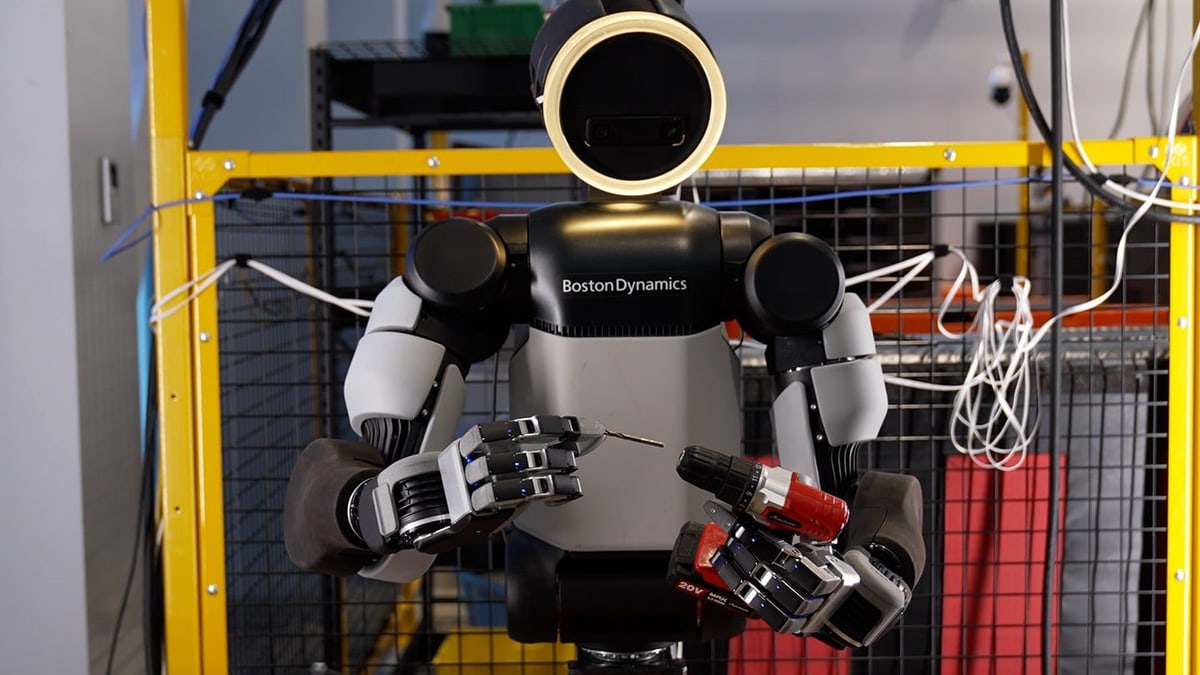
Boston Dynamics has a new four-finger hand for Atlas, its human-shaped robot, built to use tools like drills and to turn objects around in its grip. The company left out the pinky on purpose to keep the hand simpler and sturdier, and it has not said when the hand will reach working robots.
-

The U.S. Army announced on Oct. 2 that its acting secretary has signed a memo ordering the creation of the Army Futures and Autonomous Systems Command and of a single office to buy the Army's priority autonomous systems. The memo tells the Army to make it a priority to buy autonomous weapons, combat vehicles, boats that carry supplies and reconnaissance systems and get them to troops no later than fiscal year 2028. It does not say who will lead the command, what it will cost, or how much control people will keep over these systems.
-
Praxis-1 is Runway's new model for controlling real robots, built on what its video AI learned about how objects and hands move. Runway says that gives robots a head start, since real-world robot data is scarce and costly to collect.
-
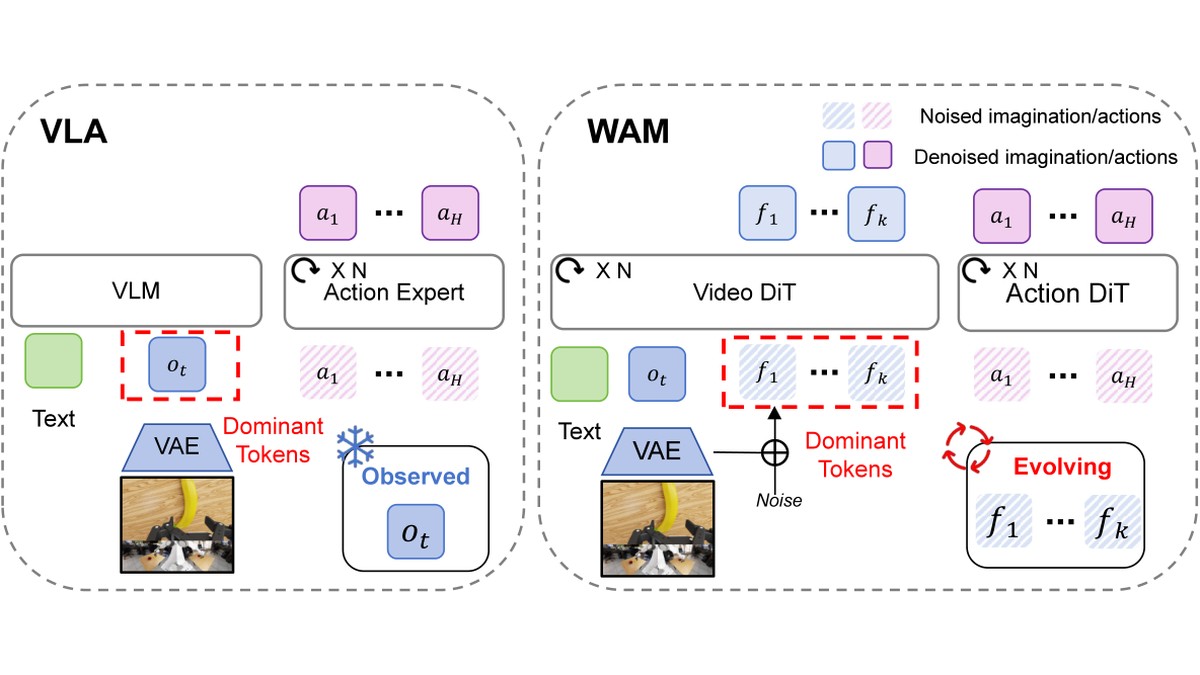
Sparse-WAM is a shortcut for robot AI that predicts what its moves will do: it works out which parts of the predicted scene matter for the robot's next move and skips the rest, with no extra training. Its authors say that made two such robot models run about 2.0 and 1.8 times as fast while largely keeping their task performance. No one outside the team has tested it yet.
-
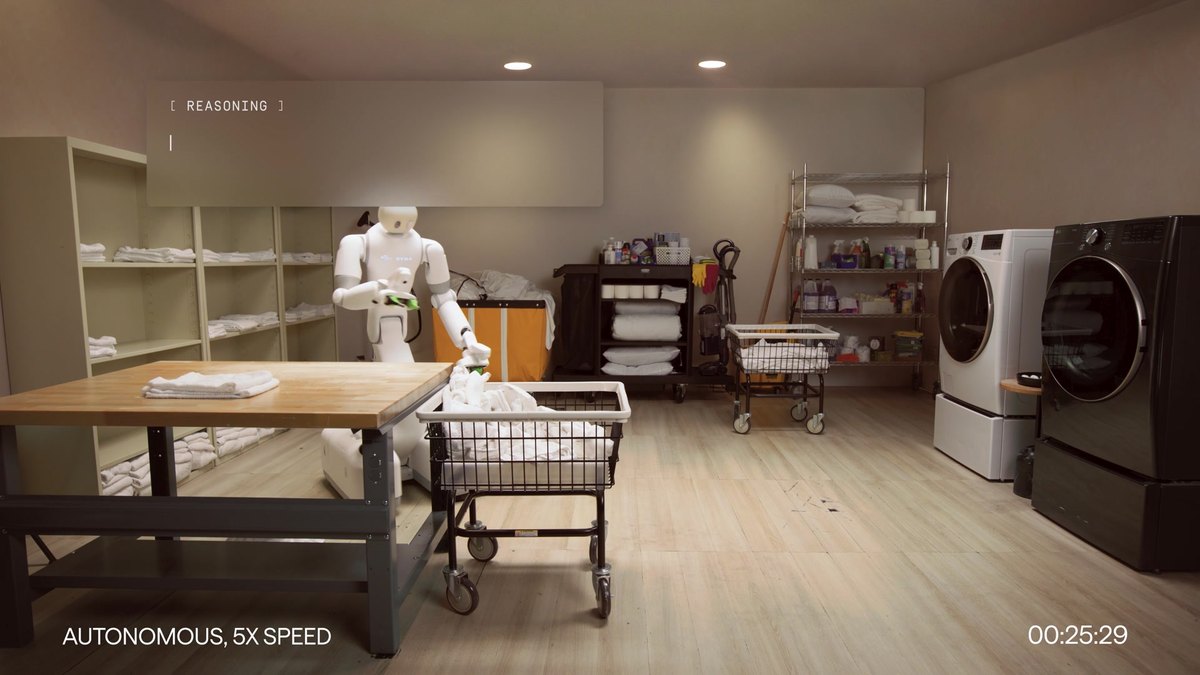
On Sept. 29, DYNA Robotics launched DYNA 2.1, an AI system for its wheeled, semi-humanoid robot Taku, and said the robot can work an entire commercial laundry shift without a person stepping in. DYNA is betting that businesses want robots that finish whole shifts, not single tasks. It is not yet clear how that holds up outside the company's own demos.
-
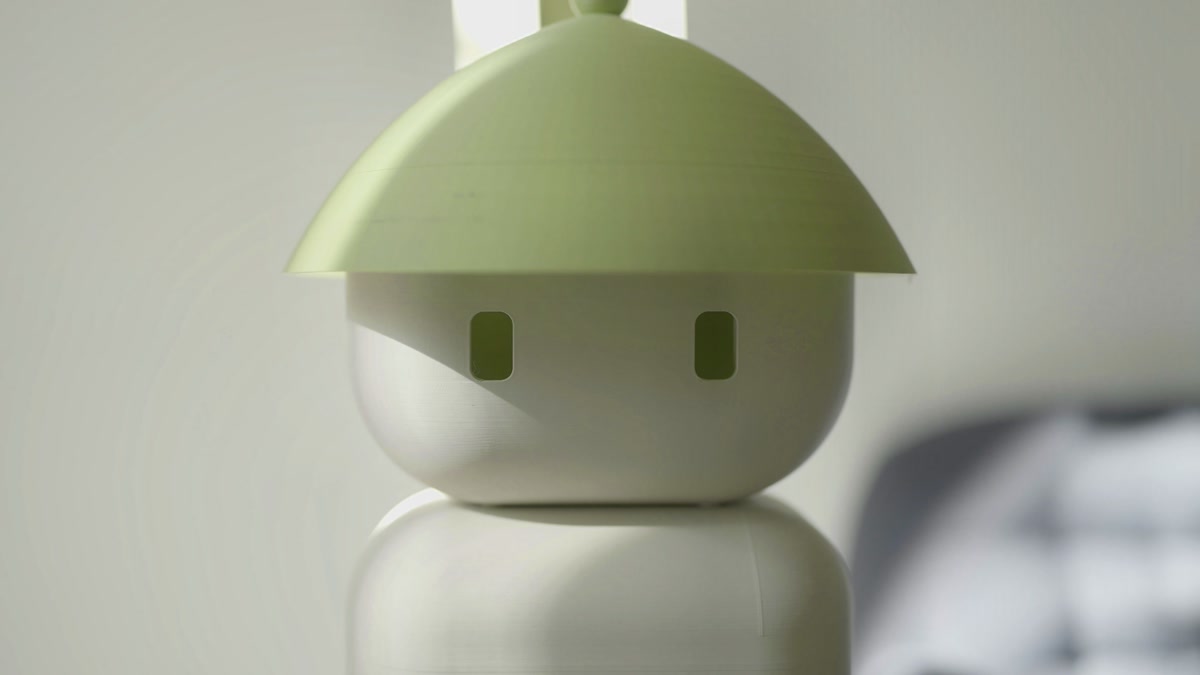
Flourish Robots, a startup that had kept its work under wraps, introduced Flourish 1 on Sept. 29: a $3,555 home robot that it says owners can teach a household task in about 30 minutes by guiding it from a phone. Pre-orders for the first 50 numbered units opened the same day, with deliveries due to begin in December 2026. How well that teaching works outside the company's own demos has not been shown.
-
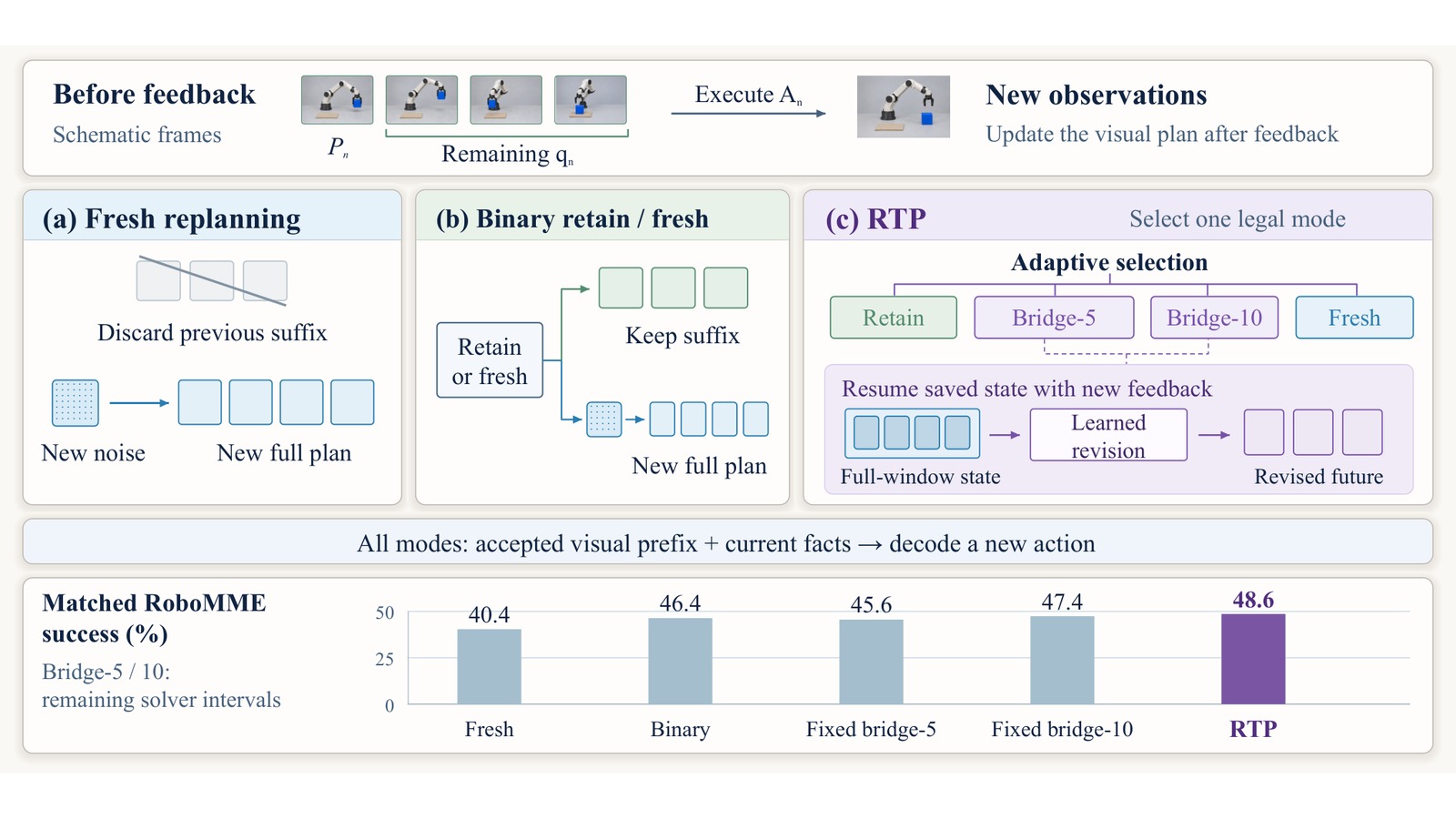
Researchers at Beihang and Peking University posted a paper on Sept. 28, 2026, describing RTP, a method that lets a robot's AI keep the short video it predicts of what should happen next and revise it as the robot acts, instead of always making a new one from scratch. In their tests on two sets of robot tasks, RTP scored higher than every other method they compared. No outside lab has tested it yet.
-
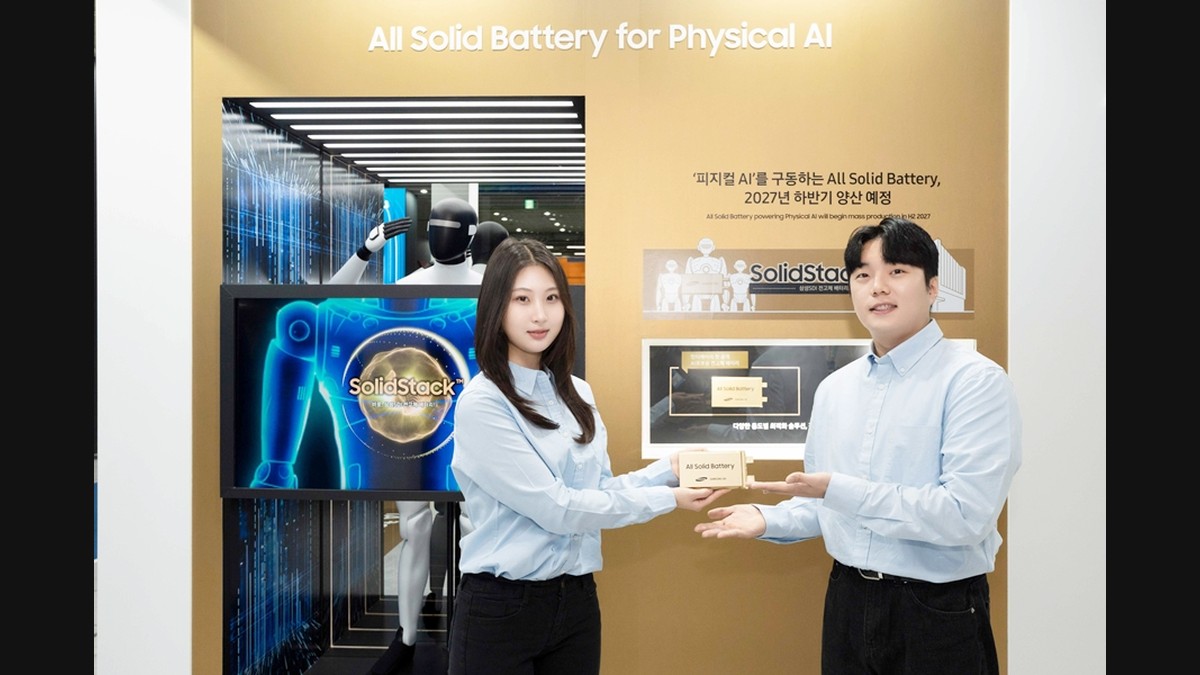
Humanoid robots, not electric vehicles, are shaping up as the first commercial market for solid-state batteries, according to a news report citing industry sources. Samsung SDI has picked robots as the first target for its SolidStack batteries, with mass production aimed at the second half of 2027. Cost could slow the shift: analysts put early prices at $400 to $600 per kWh, against roughly $350 per kWh needed for robot batteries to pay off.
-
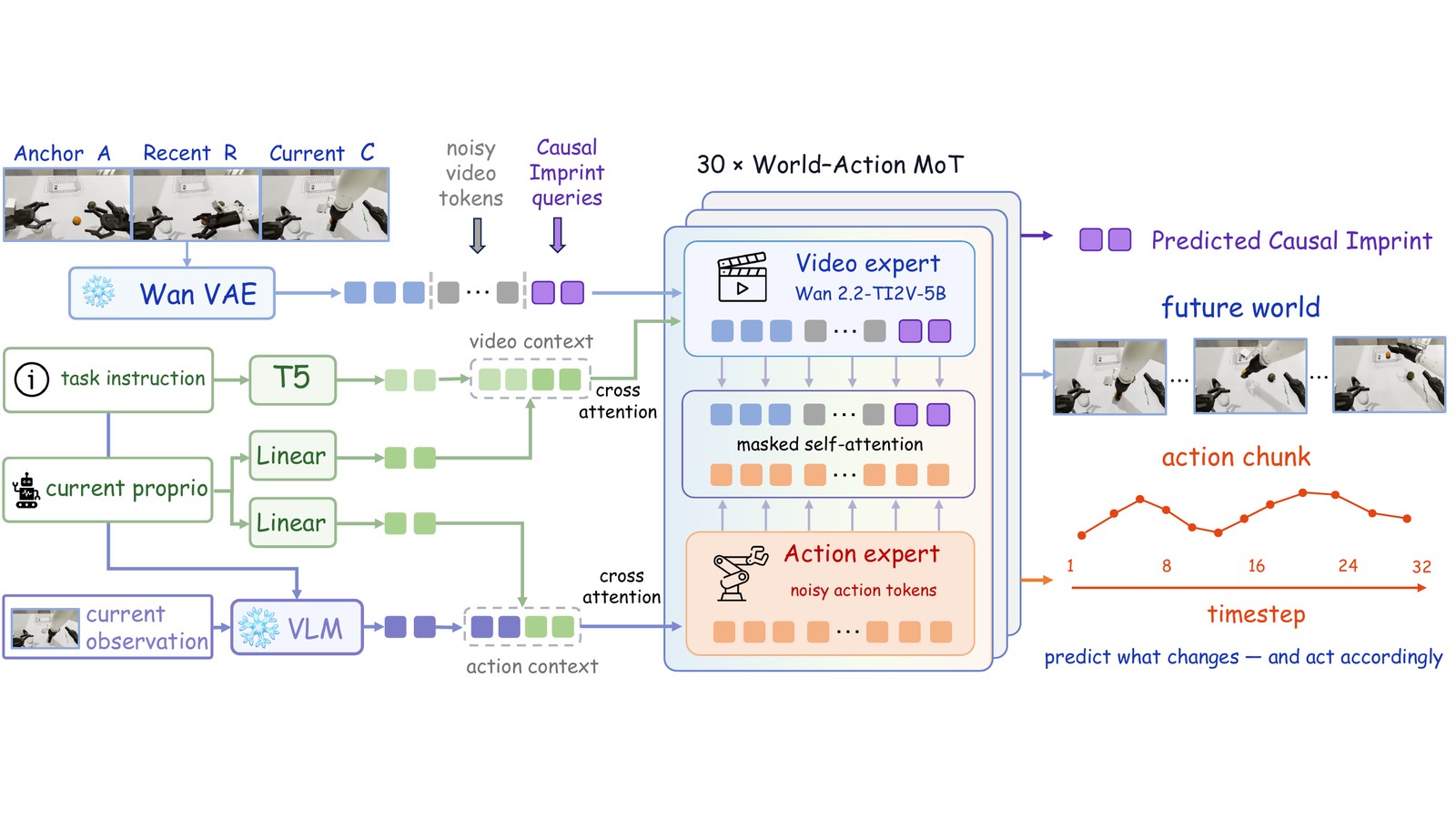
On Sept. 25, 2026, InternRobotics researchers posted InternW0-Delta, a robot AI that predicts how a scene will change and feeds those predictions straight to the part that chooses the robot's moves, without first generating video of the future. They trained it on more than 20,000 hours of robot and human data and plan to release the data, the code and the model where licenses allow. No one outside the team has tested it yet.
-
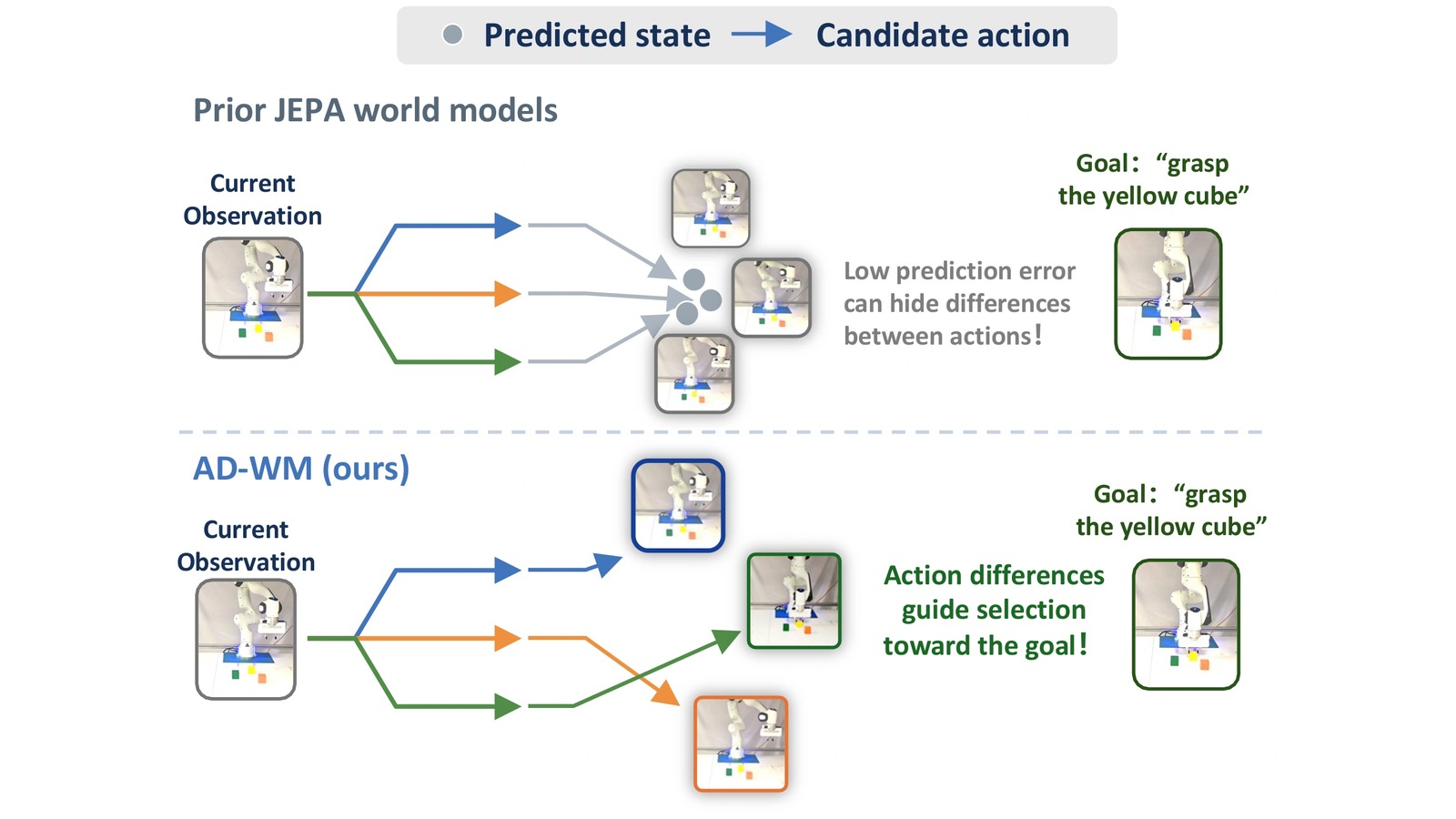
AD-WM is a way of training a robot's built-in "what if" simulator so it can tell apart the results of different moves. The researchers say a real robot arm using it picked up and placed objects about seven times in ten, up from about four.
-
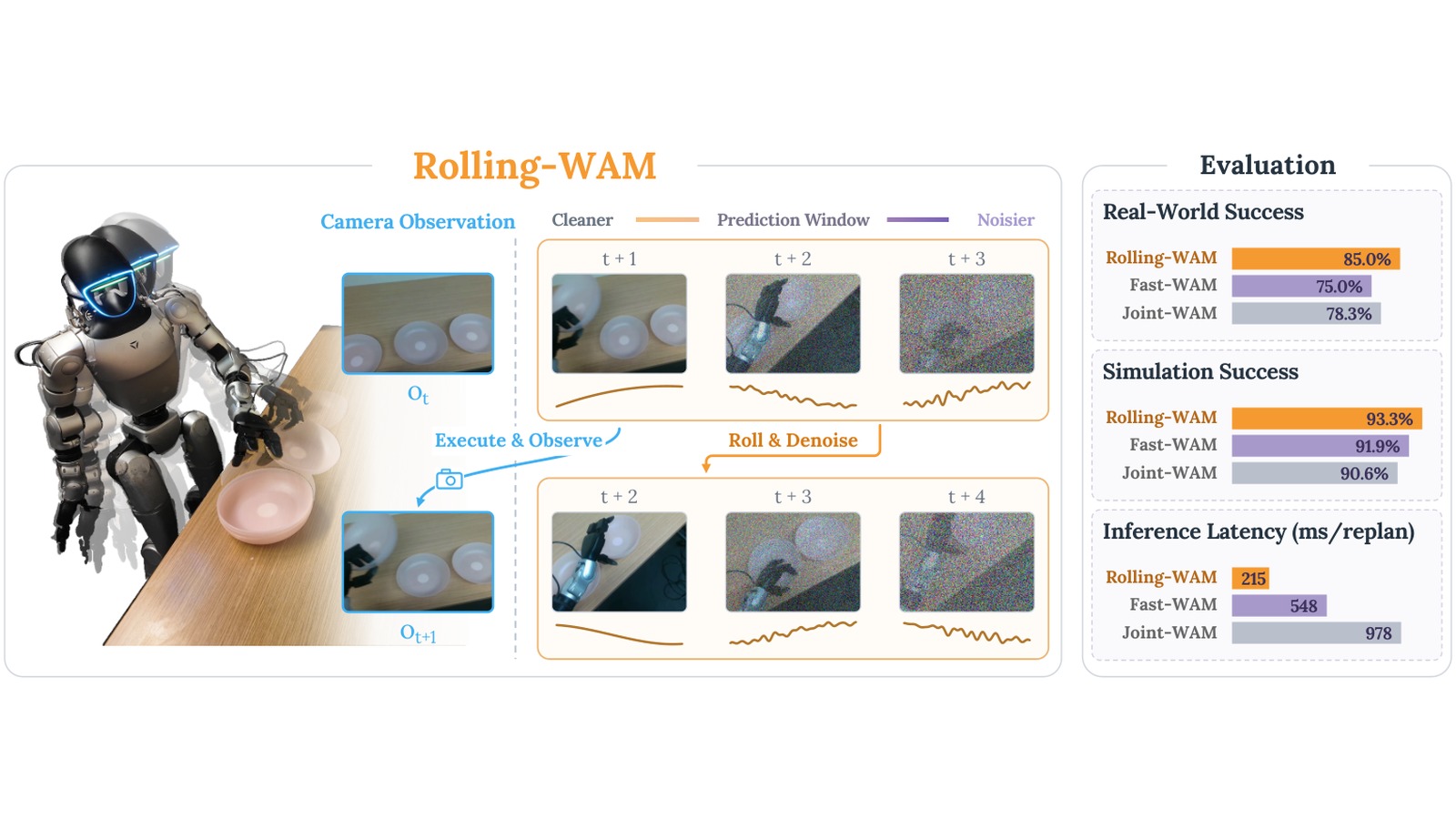
Rolling-WAM lets a robot keep picturing what comes next without redrawing that picture from scratch each time it updates its plan. The researchers say that makes its plan updates more than four times faster than the standard approach.
-
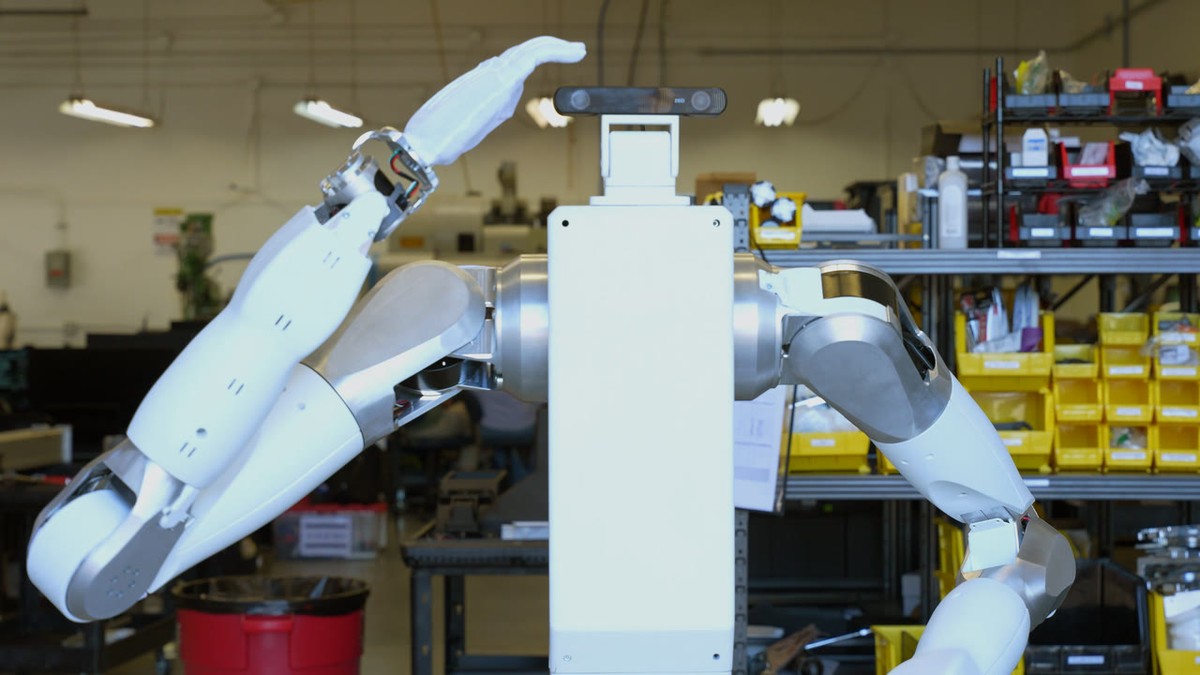
East Palo Alto startup Feather is selling a two-armed humanoid robot on wheels, built for outside developers to program, starting at $29,990. An update from Seed Innovations, one of its investors, says Gradient Ventures led a $7.6 million pre-seed round. Feather says it has already booked more than $1 million in revenue, a figure that comes only from the company.
-
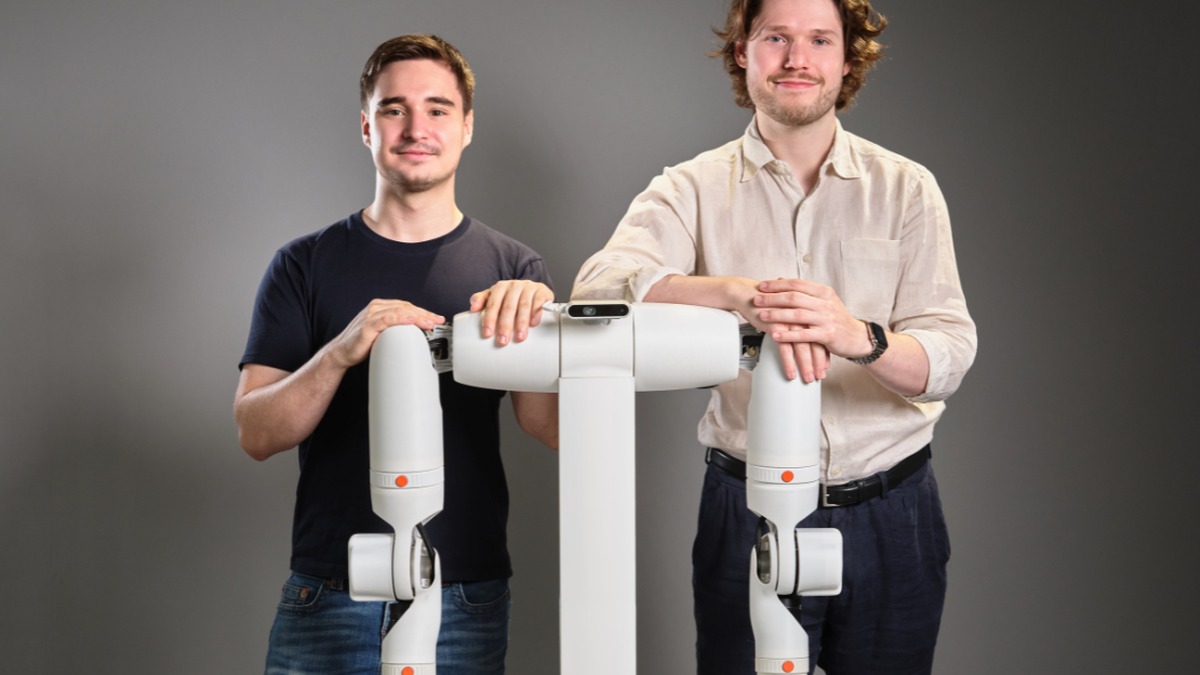
Tokyo startup O-ID raised $1.2 million in pre-seed funding to build factory humanoids, robots built in a human shape, whose joints, limbs and other parts it says can be swapped out on the factory floor in minutes. O-ID says Chicago's TAWANI Ventures led the round, and that it signed a letter of intent to discuss using Sumitomo Electric's wire-harness technology. The robots are still prototypes.
-
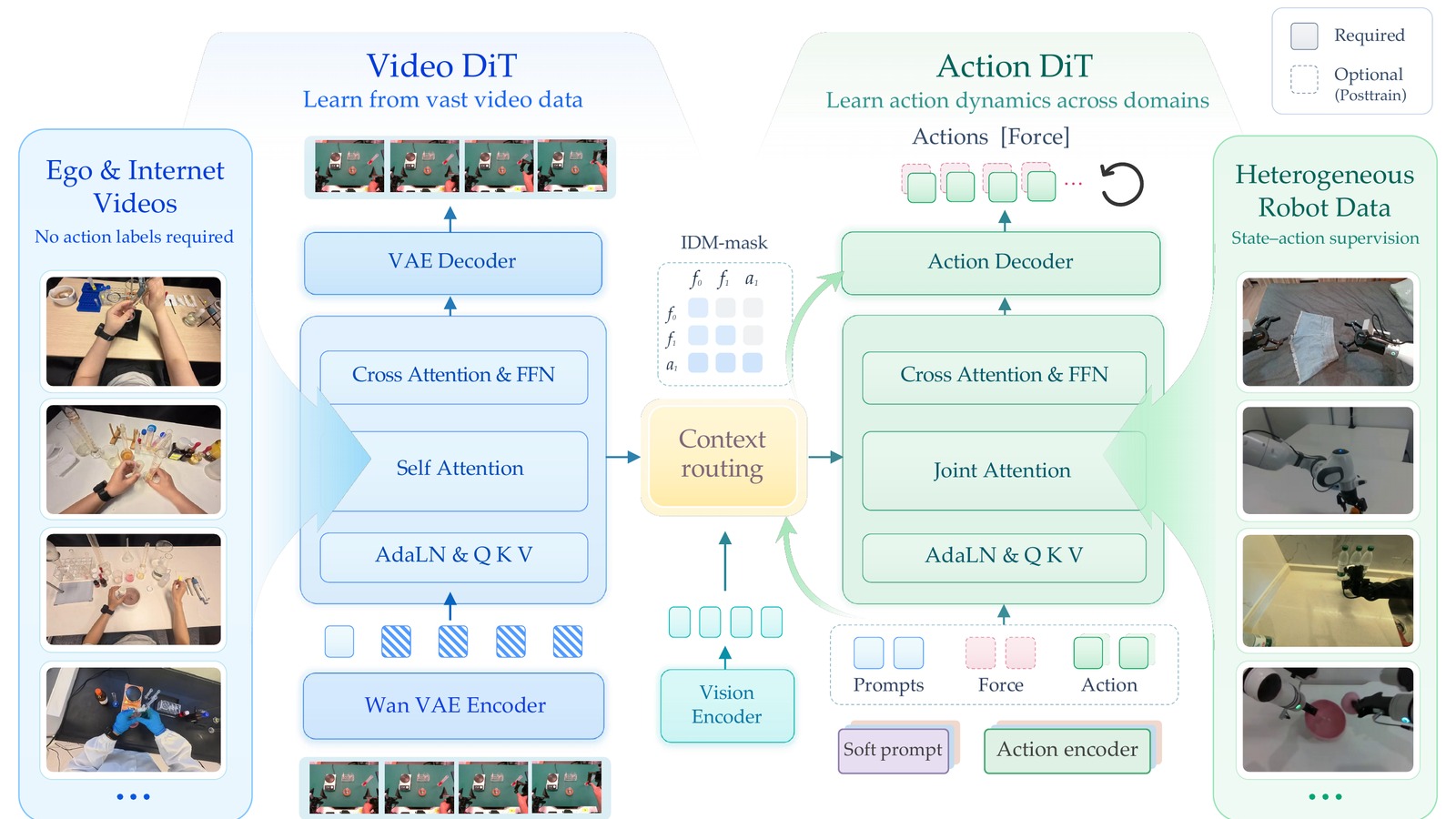
InternW0, from Shanghai AI Laboratory, lets a robot keep forecasting what comes next while it reacts quickly to what it sees and feels. The lab tested it on science chores such as preparing a chemical solution and using a pipette.
-
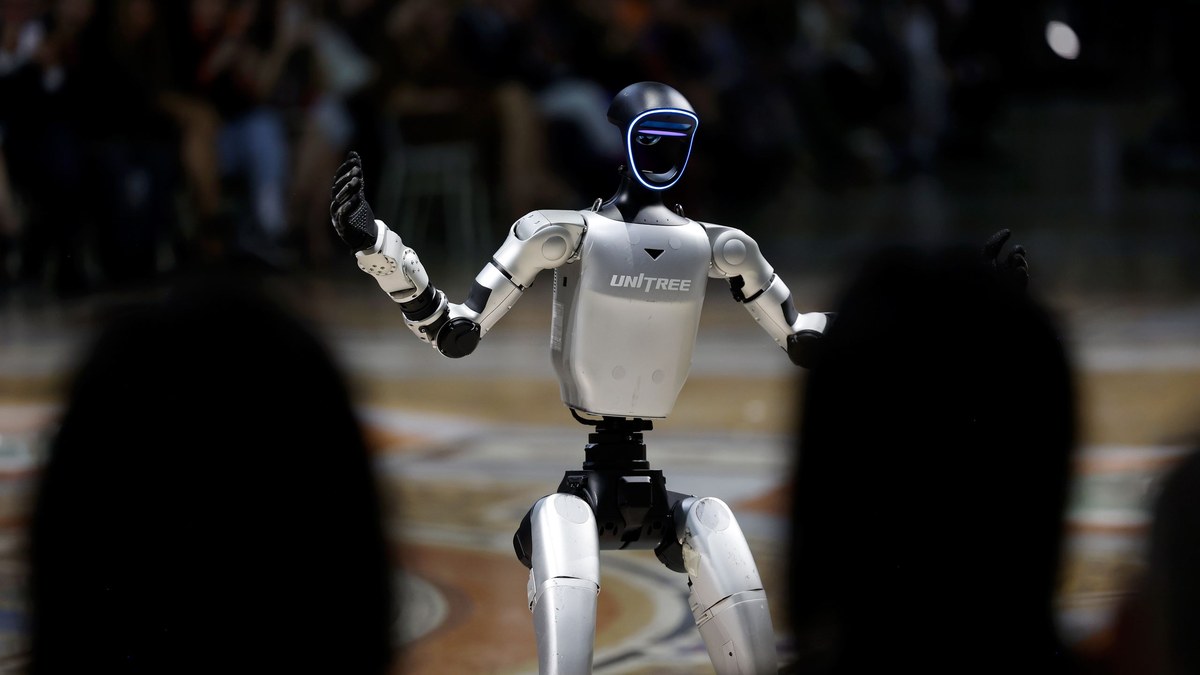
On Sept. 22, 2026, four Unitree humanoid robots walked the Galleria Vittorio Emanuele II runway during Act IV "The Age of Intelligence" at Vogue World 2026: Milano.
-

Qualcomm Technologies said on Sept. 23, 2026, that it has agreed to buy PickNik Inc., the Boulder company behind MoveIt, widely used open-source software that plans and controls the movements of robot arms. The companies say MoveIt 1 and 2 will stay open source and keep working with any hardware, while Qualcomm ties it more closely to its Dragonwing robotics platforms and Arduino boards. Terms were not disclosed, and the deal has not yet closed.
-
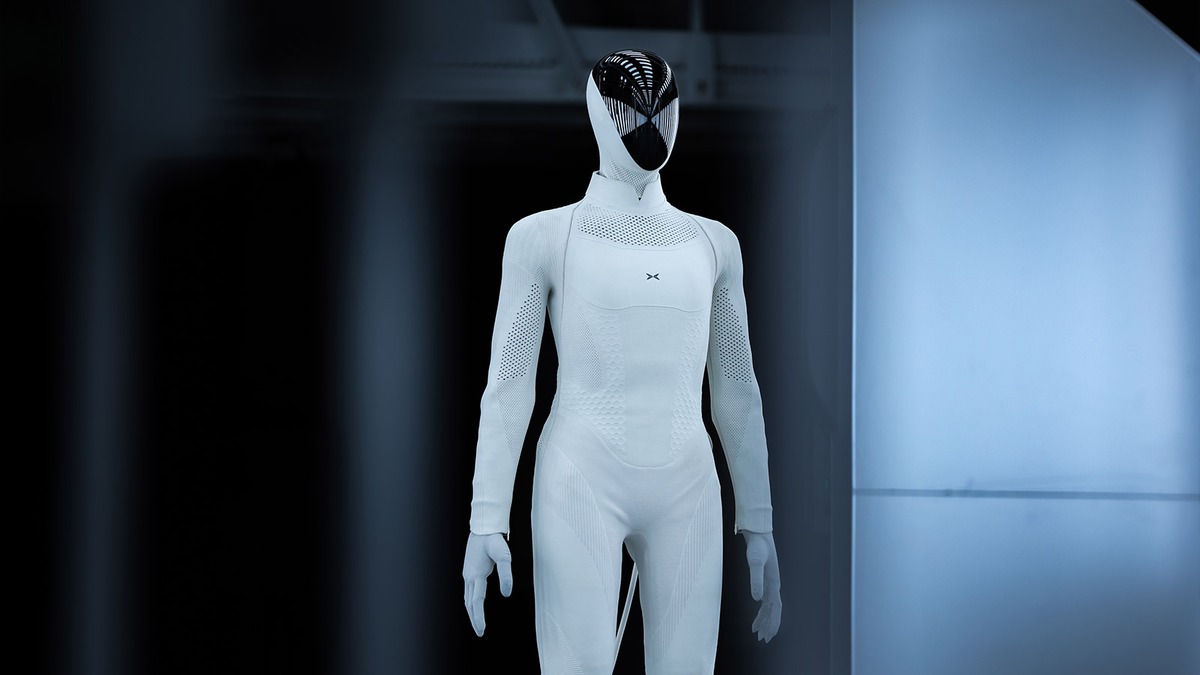
XPENG said on Sept. 8, 2026, that it had put its humanoid robot production lines in Guangzhou into operation, and that its first IRON robot walked off on its own after automated final assembly. The company says more than 80% of core processes on the lines are automated. Starting the lines is not mass production, which XPENG still targets by year-end, with deliveries in China and overseas planned for 2027.
-
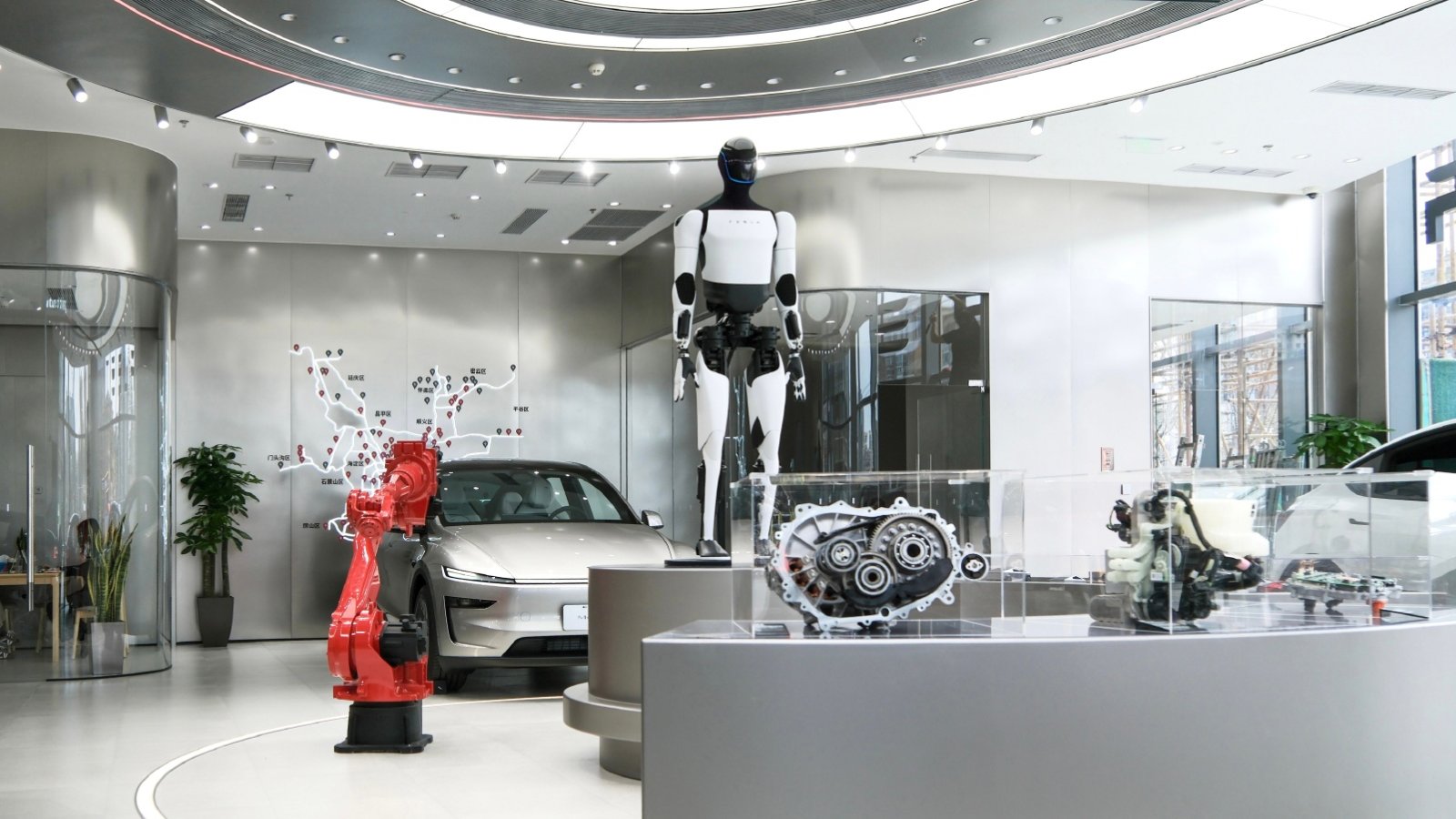
Shares of Chinese robot-parts makers rose on Sept. 18, 2026, after a local news report said Tesla teams had arrived in China to audit suppliers and place more orders for its Optimus humanoid robot. Reports name Zhejiang Sanhua Intelligent Controls, Ningbo Joyson Electronic and Tuopu Group among the suppliers. Tesla China declined to comment.
-
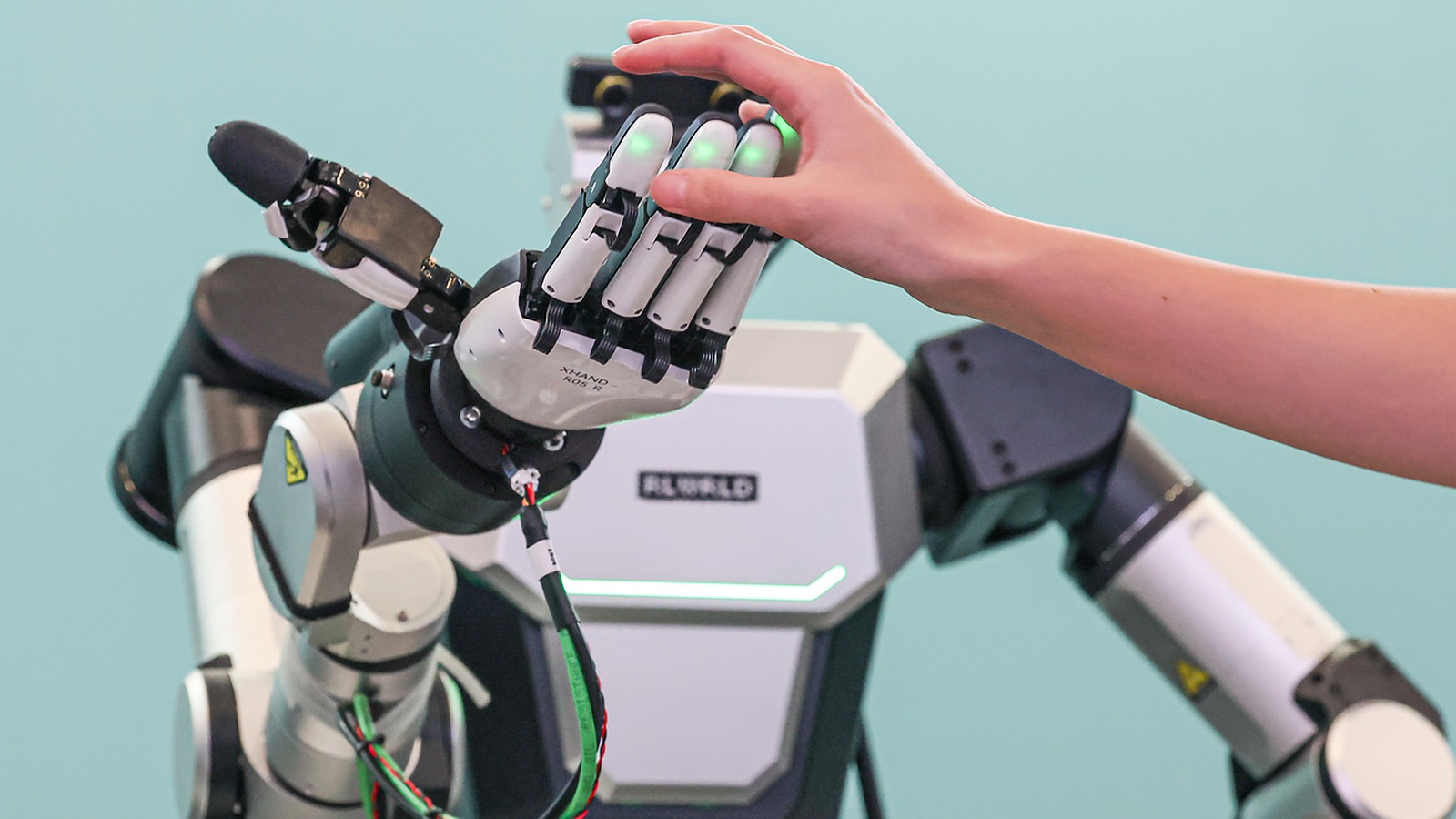
Humanoids Summit Seoul opened at COEX on Sept. 22, 2026, with South Korea's Ministry of Science and ICT (MSIT) on the Day One program for congratulatory remarks and a briefing on Korea's policy for AI that runs robots and other machines. Companies pitched plans to put humanoid robots to work in industry, but the sales head of Unitree's South Korean distributor, quoted in a news report from the show floor, said fully autonomous humanoids practically do not exist yet. Whether the policy leads to robots doing real factory work is not yet clear.
-
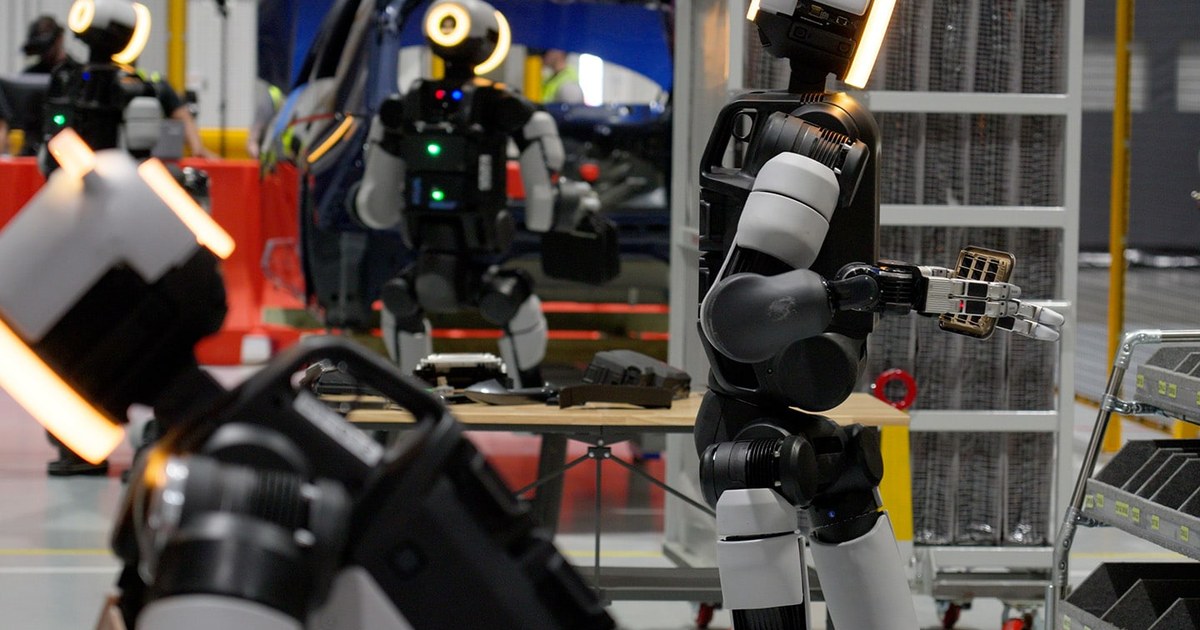
Boston Dynamics opens a center at Hyundai's Georgia plant to train Atlas humanoids for car factories
Boston Dynamics said on Sept. 21, 2026, that the first phase of its Robotics Metaplant Application Center is running inside Hyundai Motor Group Metaplant America near Savannah, Ga., training Atlas humanoid robots to prepare car parts and put them in order for the assembly line. Hyundai Motor Group plans 25,000 Atlas robots at Hyundai and Kia plants over the next few years, but Boston Dynamics declined to tell reporters how many are at the center now.
-
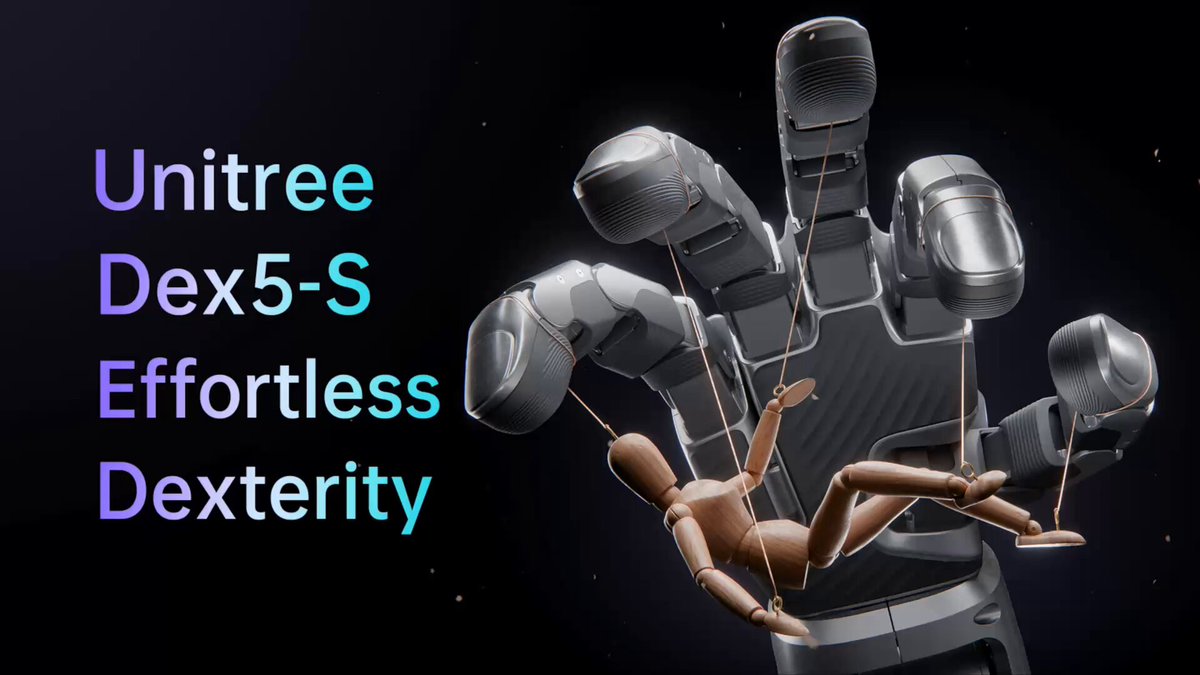
Unitree said on Sept. 21, 2026, that it is selling the Dex5-S, a five-finger robot hand the size of a human hand with 22 motor-driven joints, from $6,500 before tax and shipping. According to news reports in China, touch sensing comes only on a Pro version. An industry newsletter noted that Unitree had not yet published force, speed or durability data for the hand.
-
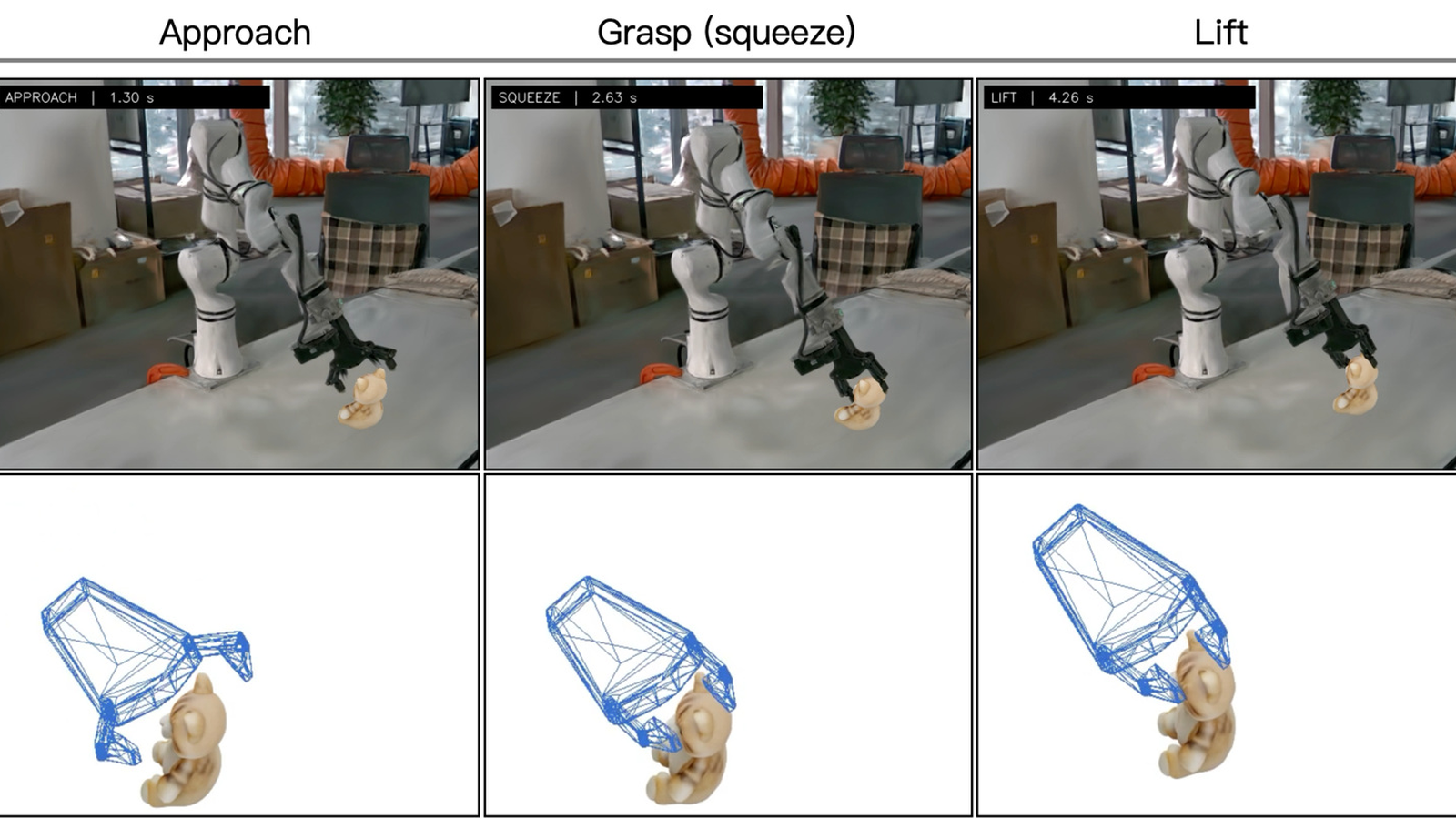
DeformSmith, from Nankai University and Rightly Robotics, turns a short description or a single image into a soft virtual object that squashes and springs back. Robots could then practice on many more soft things, without measuring each real one first.
-
OpenAI's San Francisco robotics job listings offer base pay of up to $500K for a machine-learning engineer working on data systems, among about 26 core robotics openings. Many of the roles involve collecting robot training data, and a news report describes the push as building a data operation for robots, not a product launch. OpenAI declined to comment on the hiring, another news report said.
-
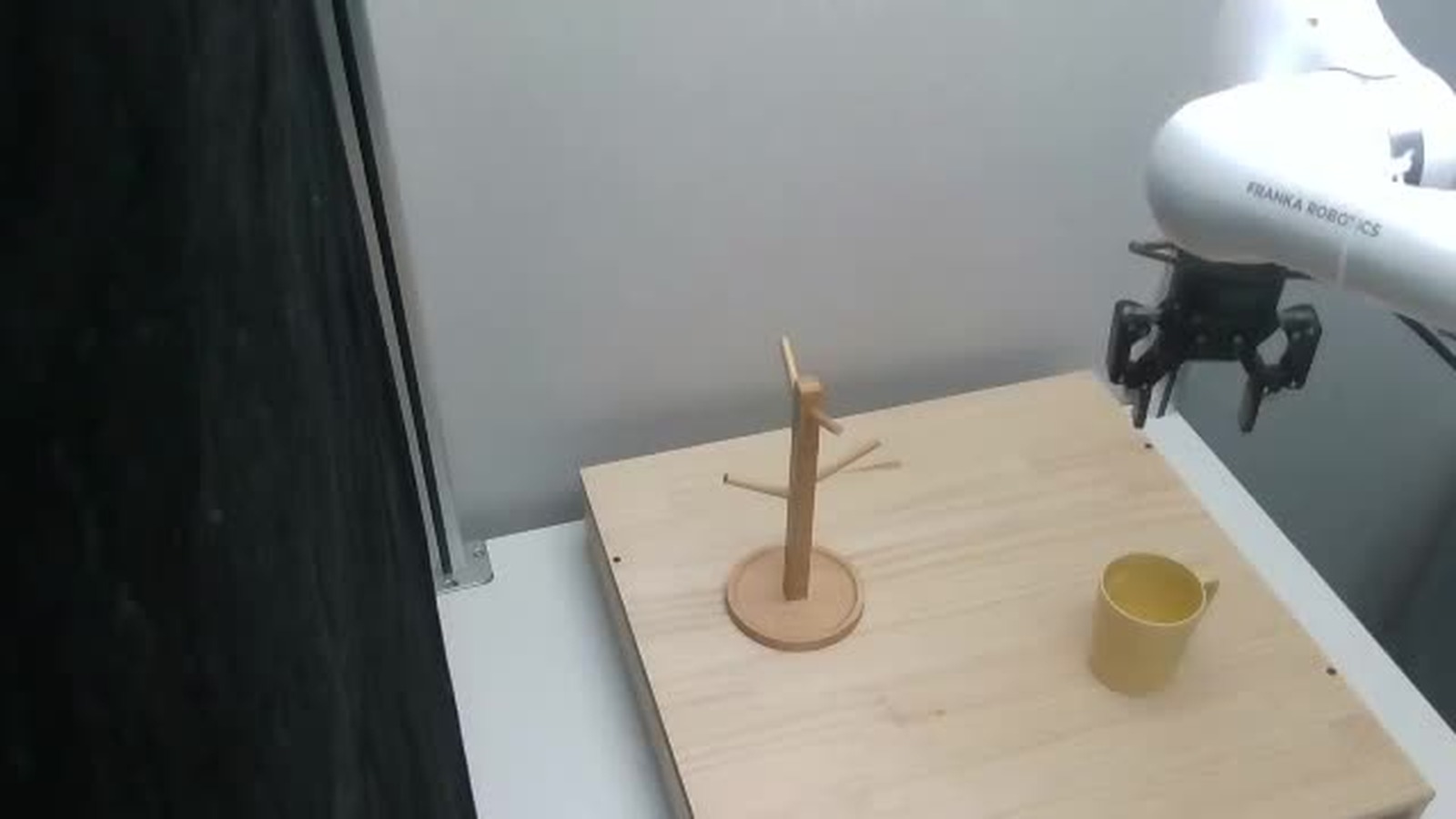
The National University of Singapore, Tsinghua University and partner universities released OpenWAM, a free kit for building robot AI on top of video generators. The team says publishing all of it lets other labs test which design choices make robots better.
-
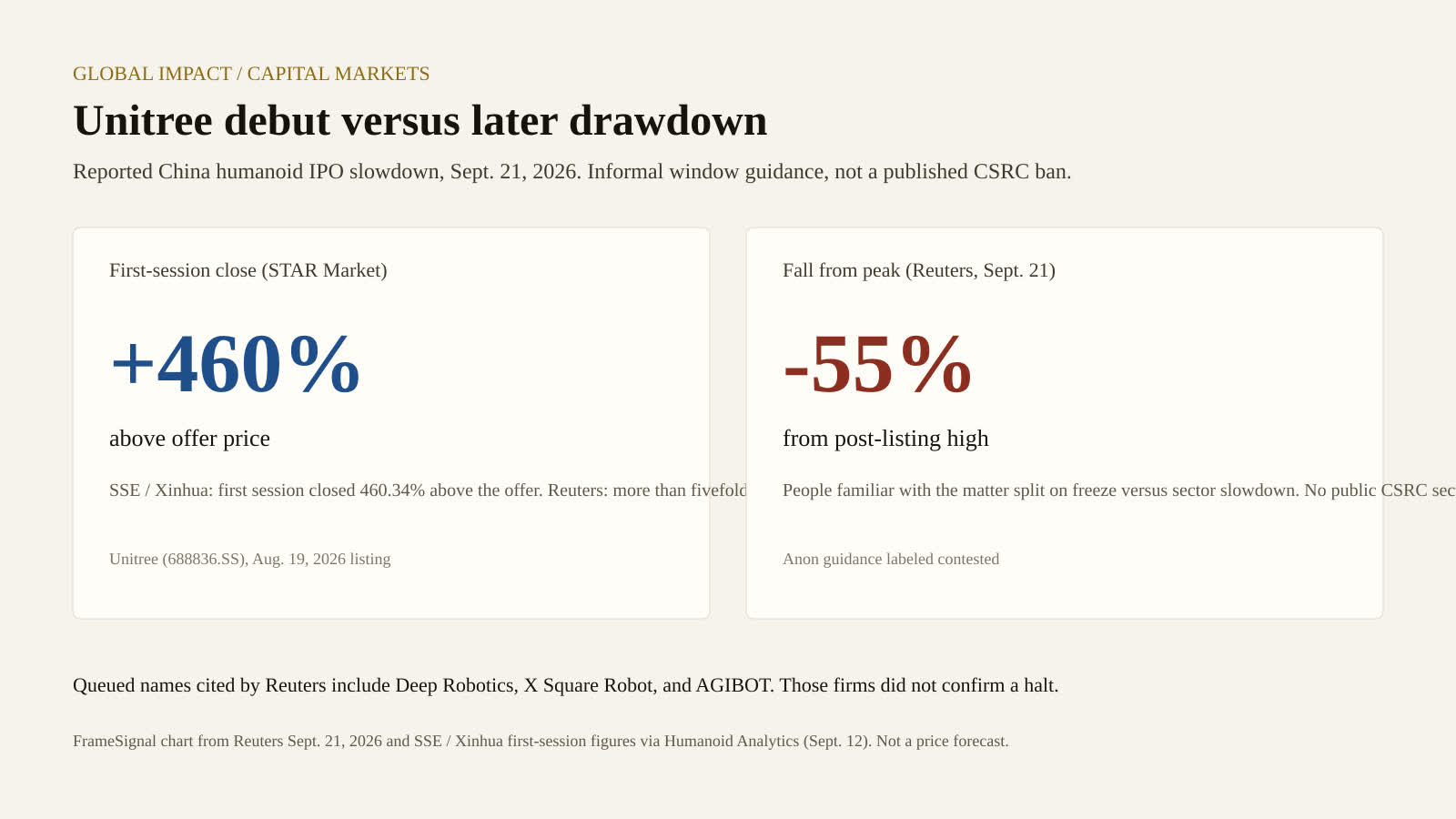
Chinese regulators are quietly slowing humanoid-robot companies' plans to go public after Unitree's volatile stock market debut, according to a news report on Sept. 21, 2026. The report's sources describe informal guidance from regulators, not a published ban, and they disagree on whether it amounts to a freeze. It is not yet clear whether the China Securities Regulatory Commission (CSRC) will publish a rule for the sector.
-
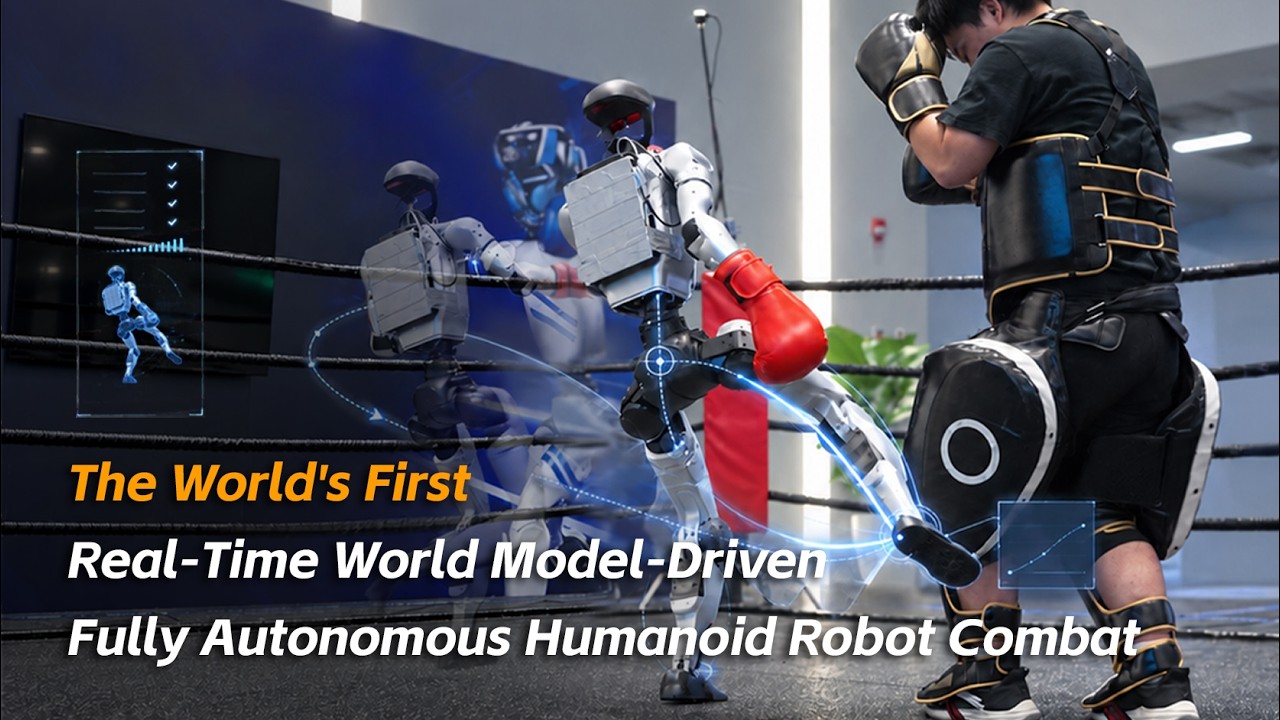
Unitree says its UnifoLM-X2-1.0 AI drove a G1 humanoid robot through a sparring match with a person, with no one steering it remotely and no scripted moves. The company released no test results, and a news report says the footage hints that some of the computing may happen on a separate computer rather than on the robot.
-
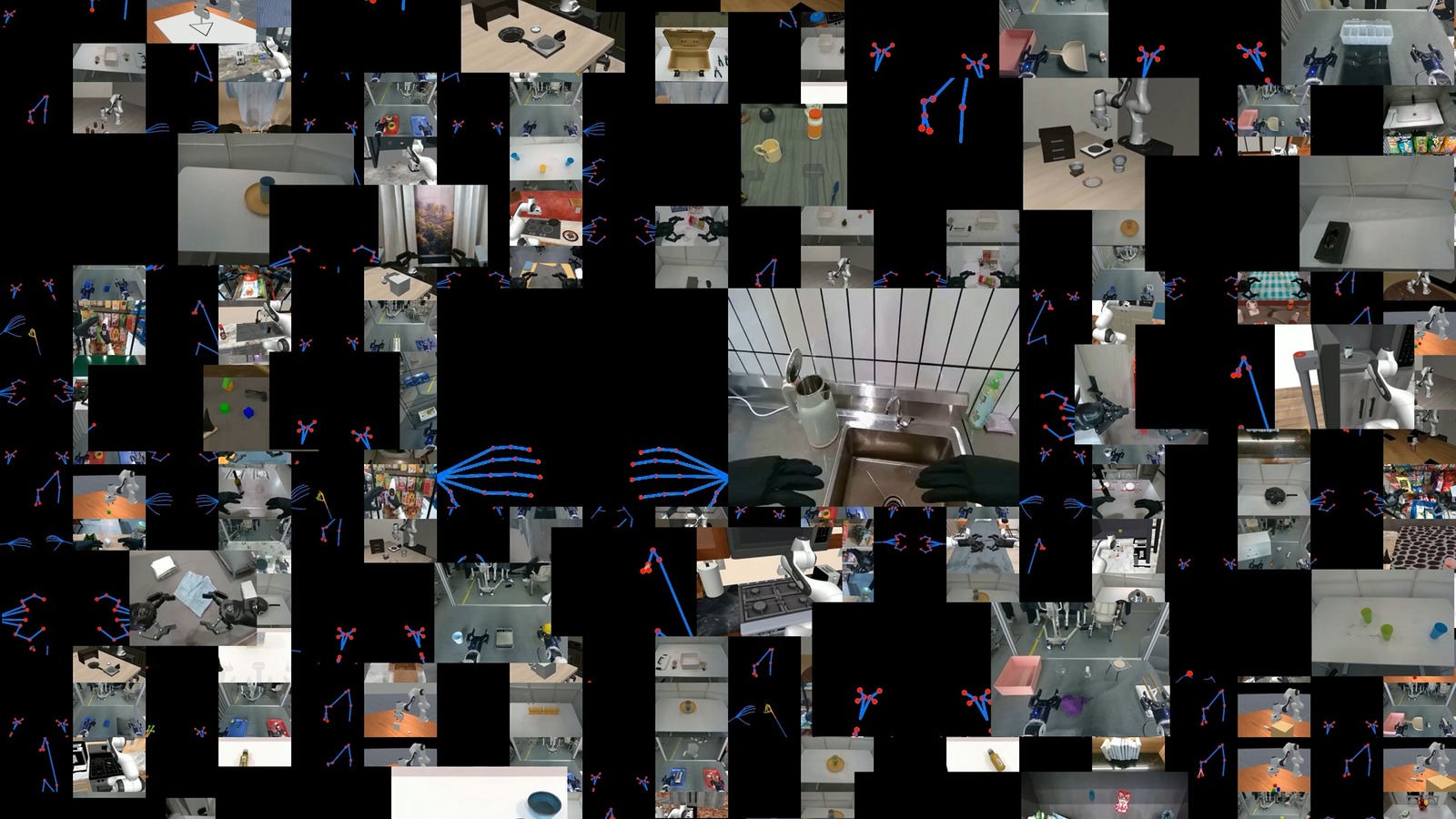
Researchers at X-Humanoid, a Beijing robotics center, have built Pelican-Sim 1.0, an AI that predicts what a robot's camera will see as the robot carries out a series of moves. Robot software can then be trained and tested on that predicted video, with fewer trials on real machines. In the team's own tests, adding its practice runs raised a robot control program's success rate from 70% to 93%, and the model has not been released.
-
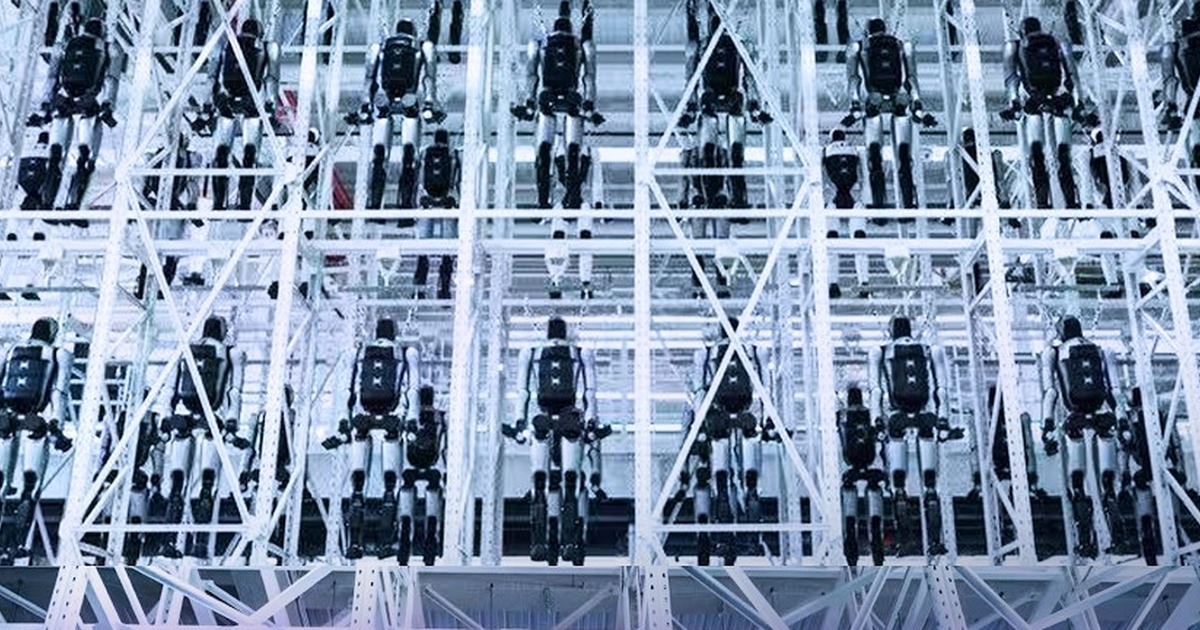
UBTECH started production on Sept. 12, 2026, at its new robot factory in Liuzhou, China, which the company and city officials say is designed to finish one robot every 10 minutes and to make more than 10,000 Walker S humanoids and Cruzr robots a year. That is a plan, not robots shipped: according to a news report, UBTECH delivered 921 full-size humanoids in the first half of 2026.
-
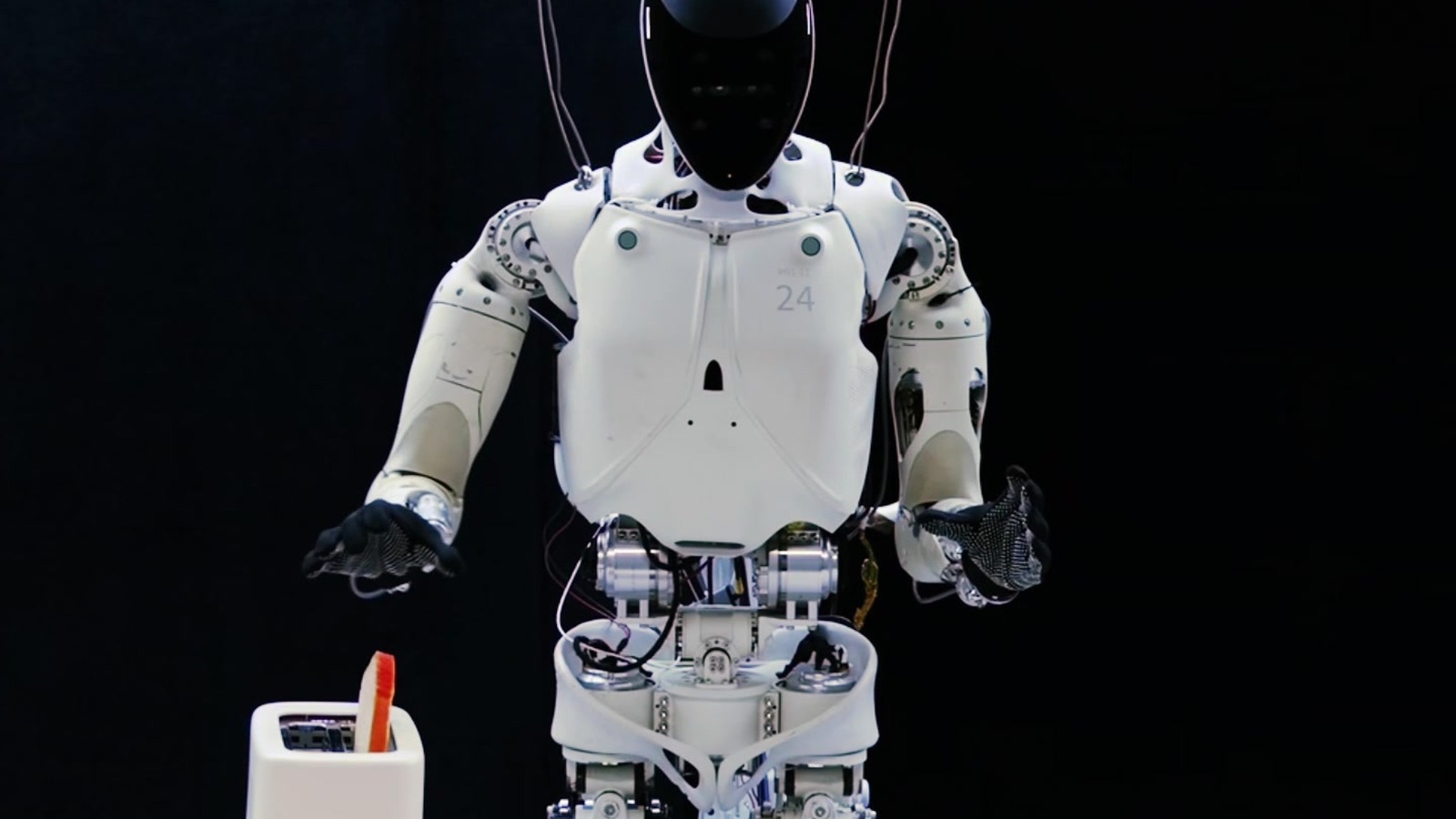
XPENG Robotics built XPACE, an AI that teaches its IRON humanoid partly from videos of people and lets it rehearse fixing mistakes in imagined scenes. That could cut the costly work of steering robots by hand to show them every task.
-
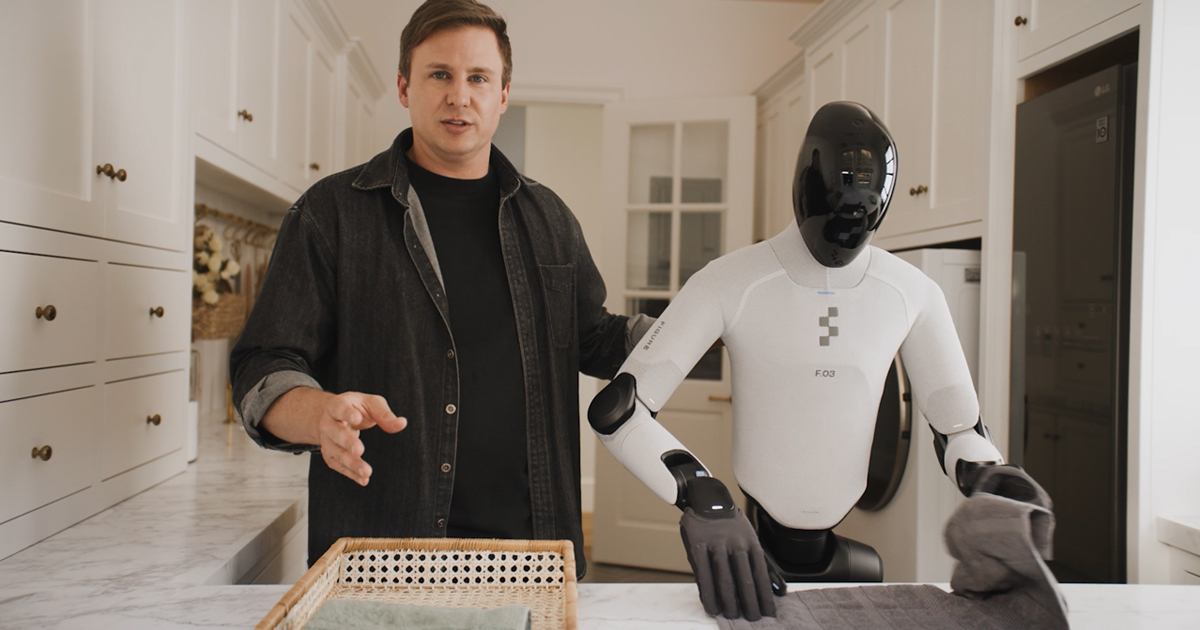
Figure says a humanoid robot running its new Helix 2.5 AI finished whole household chores in 30 Bay Area homes it had never seen 56% of the time, in the company's own tests. Figure credits early training on its large collection of human-behavior data: in its comparison, a version trained from scratch succeeded 9% of the time. No one outside Figure has repeated the tests, and the robot still failed on about 44% of attempts.
-
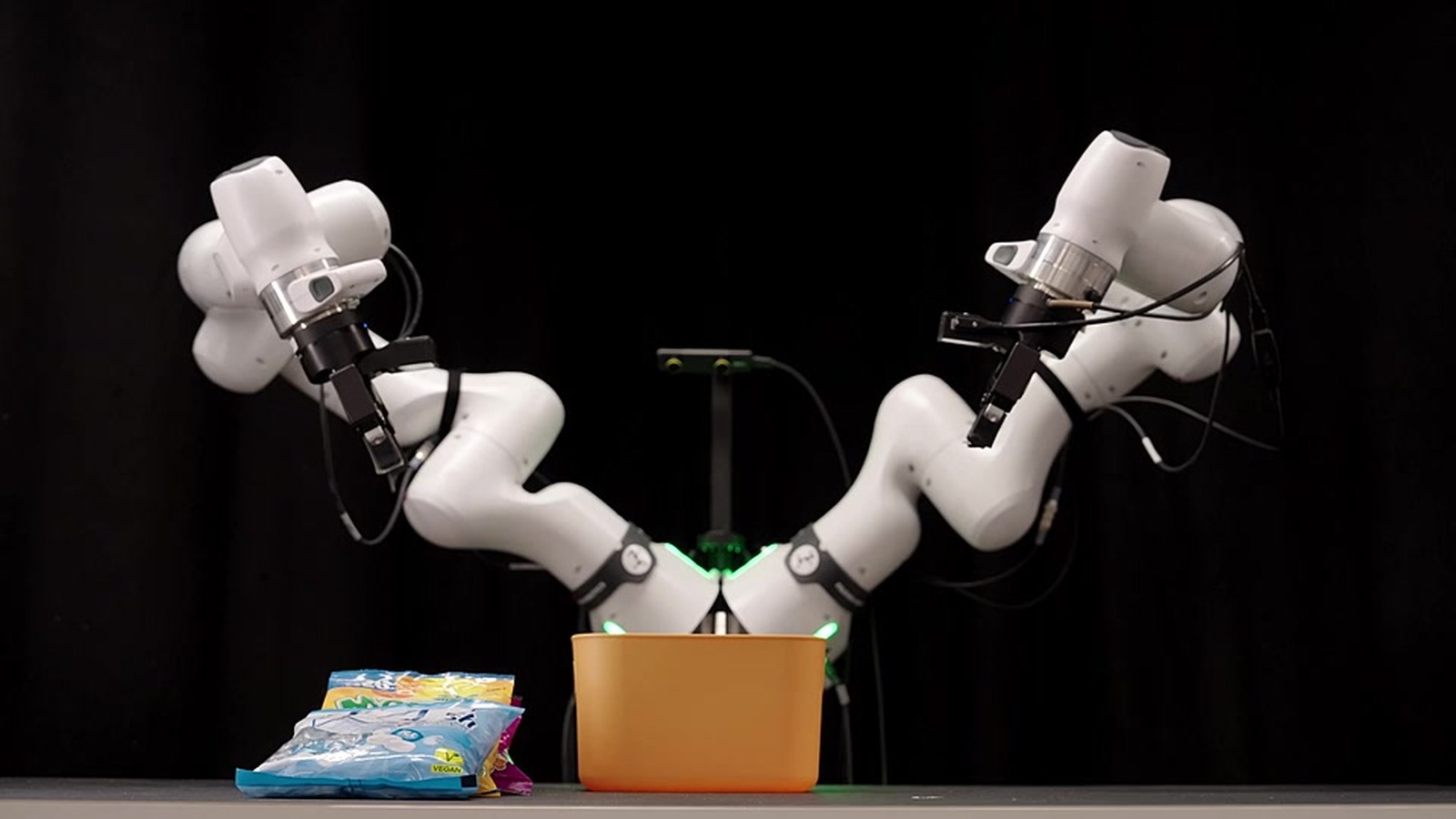
Odyssey's Odyssey-3 is an AI trained on huge amounts of video to learn how the world works, and the company says it can steer robots, cars, drones and game characters. If that holds, teaching a new machine could take hours of examples, not mountains of data.