
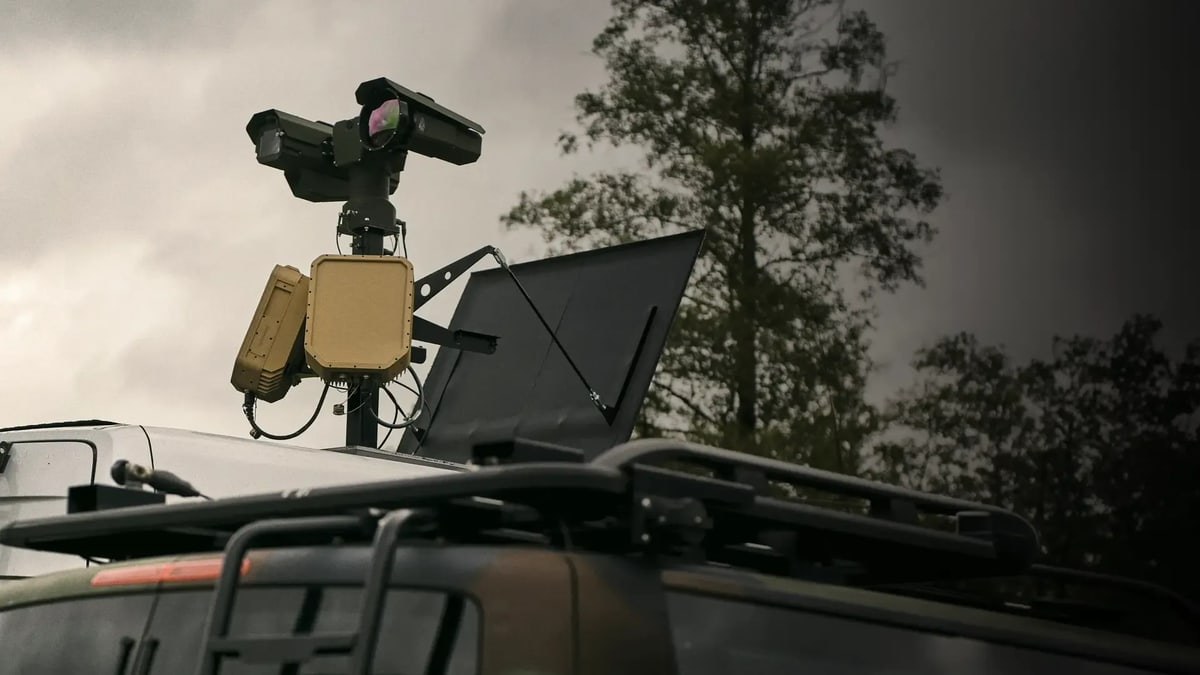
Shield, a San Diego defense company, said on Thursday, Nov. 5, that it has agreed to buy Echodyne in a deal valued at up to $5.3 billion. Echodyne, based in Kirkland, Washington, makes radars that spot and track drones. Shield says they are built into hundreds of anti-drone and security systems used in more than 40 countries.
Shield is raising $2.5 billion to help pay for the purchase. That includes a $1 billion investment that values Shield at $28.8 billion, up from $12.7 billion when it raised money in March. Funds managed by Blackstone are putting in another $1 billion, and JPMorgan Chase is arranging $500 million in loans. Of the price, $4.8 billion is due when the deal closes, and up to $500 million more depends on Echodyne hitting agreed targets.
Shield makes Hivemind, software for building what it calls AI pilots, which can carry out a mission with no person at the controls. Shield also builds its own aircraft, the V-BAT drone and X-BAT, a self-flying fighter jet it is developing that can take off and land straight up and down. Gary Steele, Shield's chief executive, says the purchase speeds up its push to meet demand and opens more of the fast-growing anti-drone business. Eben Frankenberg, Echodyne's chief executive, said Shield shares his company's view that "autonomous systems can only act on what they can sense."
Shield says Echodyne's radars are built into remote-controlled gun mounts, laser weapons and microwave weapons, and they point interceptors toward incoming drones. In September, Echodyne won a contract worth up to $250 million to supply anti-drone radar to U.S. and allied forces through a joint task force that buys such equipment. The same radars help protect stadiums and airports from drones that should not be there. Echodyne's new $40 million factory will be able to make about 30,000 radars a year, the companies say.
After the deal closes, Echodyne's team will stay in place, and Frankenberg will report to Steele. A Shield spokesperson told reporters the company is not yet announcing plans to put Echodyne's radar on any particular aircraft, though it expects self-flying aircraft to need better sensors in the coming years. The deal still needs regulators' approval and is expected to close in early 2027.
Correction (Nov. 6): an earlier version said Hivemind is itself an AI pilot. Shield describes it as software for building AI pilots.