
NVIDIA, the AI chipmaker, said on Nov. 17 that its sales reached $115.8 billion in the three months to Oct. 25. That is up 103% from $57.0 billion a year earlier and up 20% from the quarter before. Analysts had expected nearly $109 billion, according to a news report. Its profit more than doubled to $65.3 billion. These are NVIDIA's first results since Jensen Huang, who co-founded the company in 1993, resigned as chief executive on Nov. 12. Colette Kress, the finance chief, is serving as interim chief executive until the board names a permanent successor.
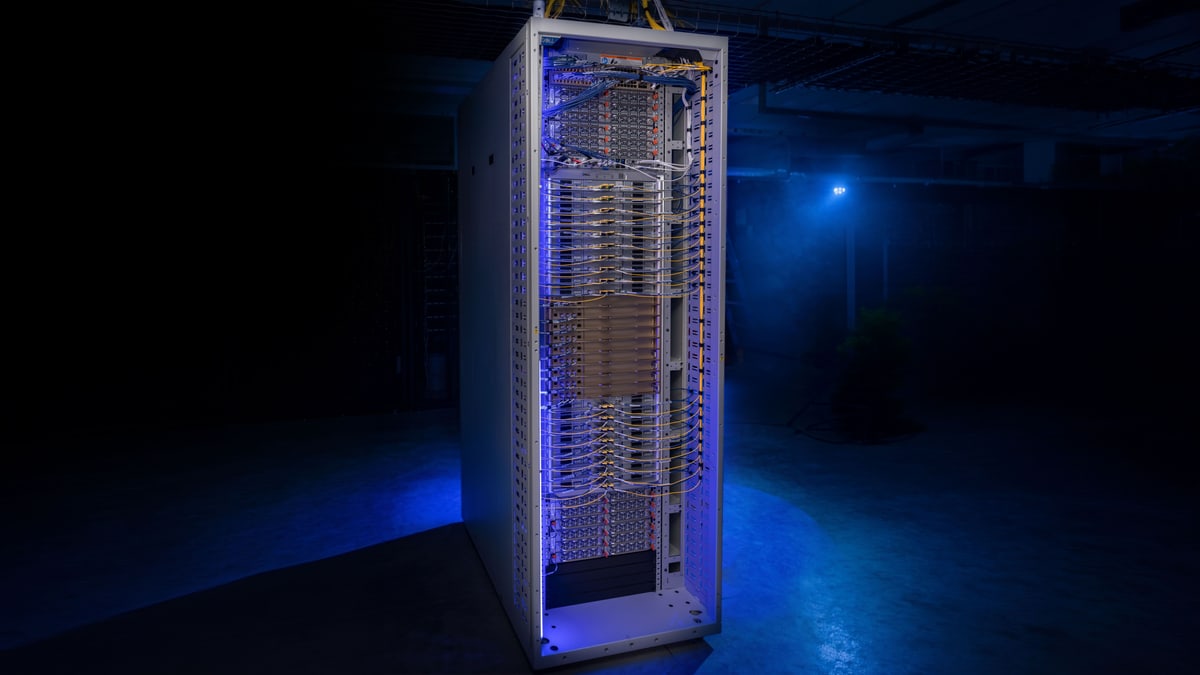
Nearly all of that growth came from selling to data centers, the buildings full of computers where AI models are trained and run. NVIDIA's data center business, which sells the AI chips and other hardware that go into those buildings, had sales of $107.6 billion, up 110% from a year earlier. NVIDIA says it has begun shipping Vera Rubin NVL72, full racks packed with its newest AI chips, and that it has stepped up production of them faster than any product in its history. It says the racks are already running at cloud companies including CoreWeave, Google Cloud, Microsoft Azure, Oracle and Nebius. NVIDIA's much smaller Edge Computing business, which includes chips for laptops, video games, self-driving cars and robots, had sales of $8.2 billion, up 42% from a year earlier.
For the quarter that began Oct. 26, which runs a week longer than usual, NVIDIA expects sales of $130 billion, give or take 3%. It is not counting on any sales of its data center chips in China. After paying to make its products, it expects to have 71 to 72 cents of every sales dollar left over, down from 74.8 cents in the quarter just ended. "Our momentum is real," Kress said.
On the same day, NVIDIA's board set up a permanent committee to oversee the company's national security policies and how it obeys export controls, the U.S. rules that limit which advanced chips can be sold abroad and to whom. The board says the committee reflects its commitment to work more closely with government officials and to show the highest standards of oversight. Director Suzanne Nora Johnson chairs it, with directors Stephen Neal and John Dabiri. It will meet at least four times a year and hire outside experts. NVIDIA's national security and trade compliance teams will report to it and, day to day, to Kress. Harvey Jones, the board's chair, said advanced chips and AI raise "unprecedented challenges for national security."
NVIDIA has not said who will lead it for good; the board says it will consider candidates from inside and outside the company. The board is still investigating reports that Huang was the target of a foreign intelligence effort, as it said on Nov. 8. It said then that it had no reason to believe national security or NVIDIA's secrets had been compromised. According to a news report, Huang has said he would be willing to return, but a person familiar with the board's thinking says the board is against bringing him back. NVIDIA warns that investigations, government actions and changes in the rules could affect its results.
Correction (Nov. 18): an earlier version said Jensen Huang founded NVIDIA. He co-founded it in 1993 with two others.