
Topic
NVIDIA
5 stories, newest first.
-
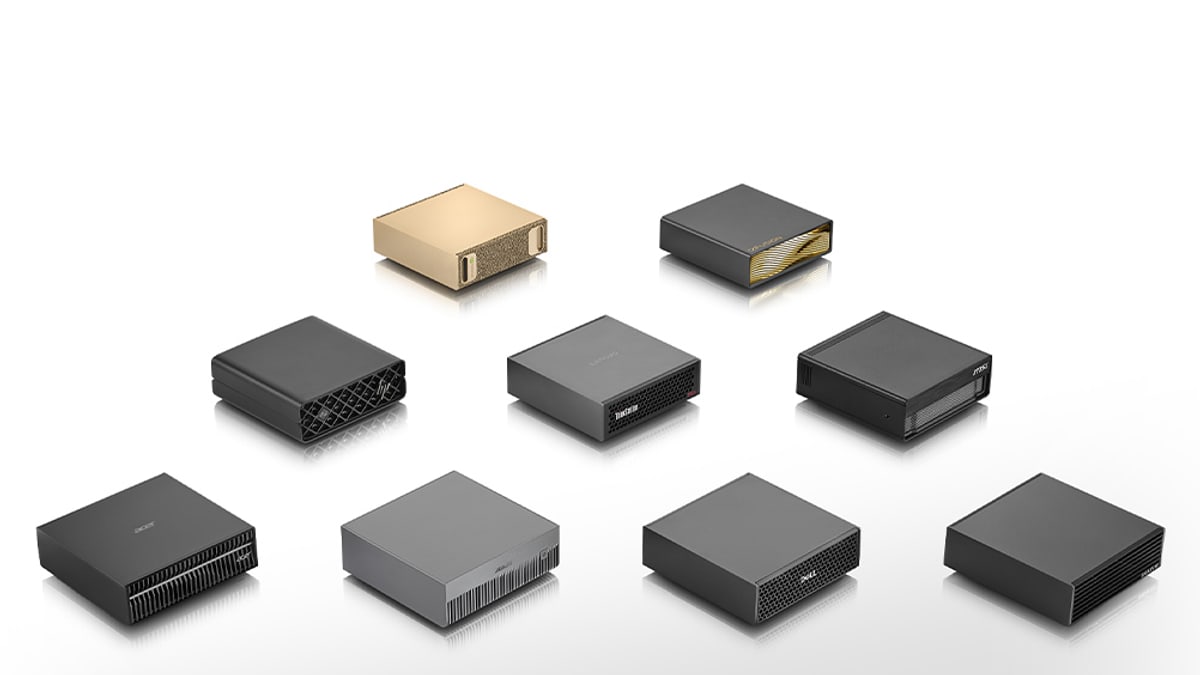
NVIDIA's DGX Spark, a desktop computer for running AI models, is getting a version with 64GB of memory, half as much as the original, on sale from $4,999 on Friday, Oct. 23. Less memory means it can't run AI models as large as the 128GB version, which NVIDIA's store lists from $5,999. Most partners haven't announced prices, and no outside tests are out yet.
-
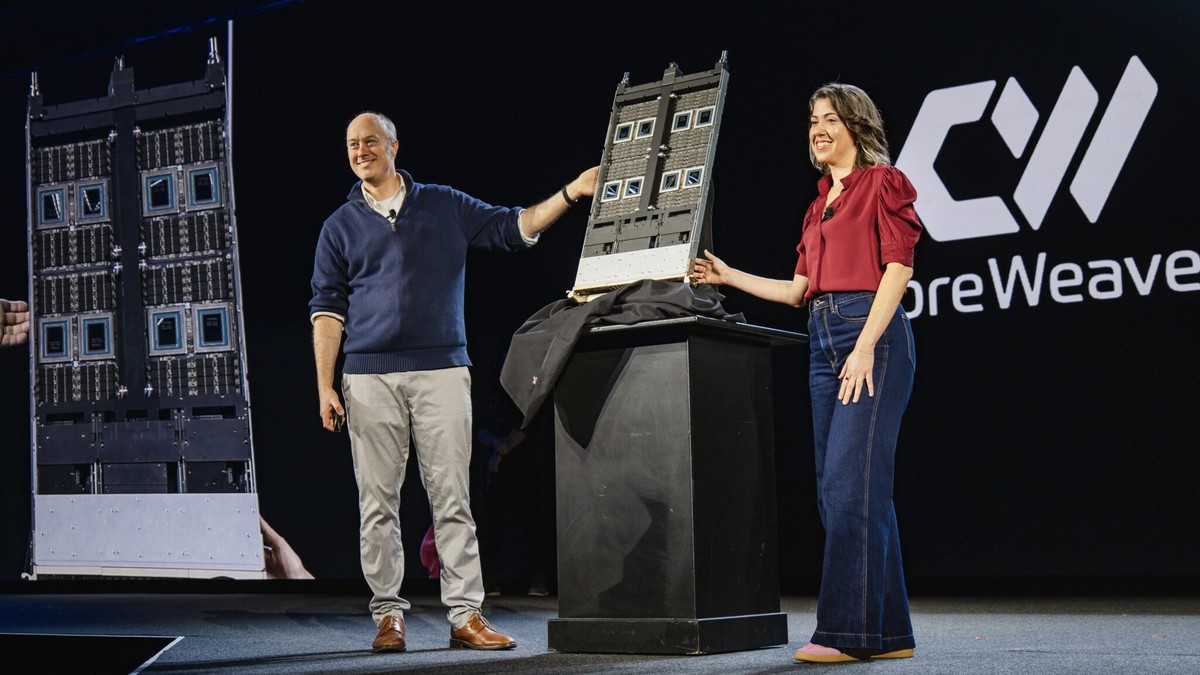
NVIDIA and CoreWeave said on Wednesday, Sept. 30, that NVIDIA's Vera Rubin NVL72 systems are now available on CoreWeave's cloud, with Cognition, the lab behind the Devin coding agent, the first customer running production work on them. CoreWeave will also offer NVIDIA Vera, which the companies call the first CPU built for AI agents. The speed gains they cite come from early tests.
-
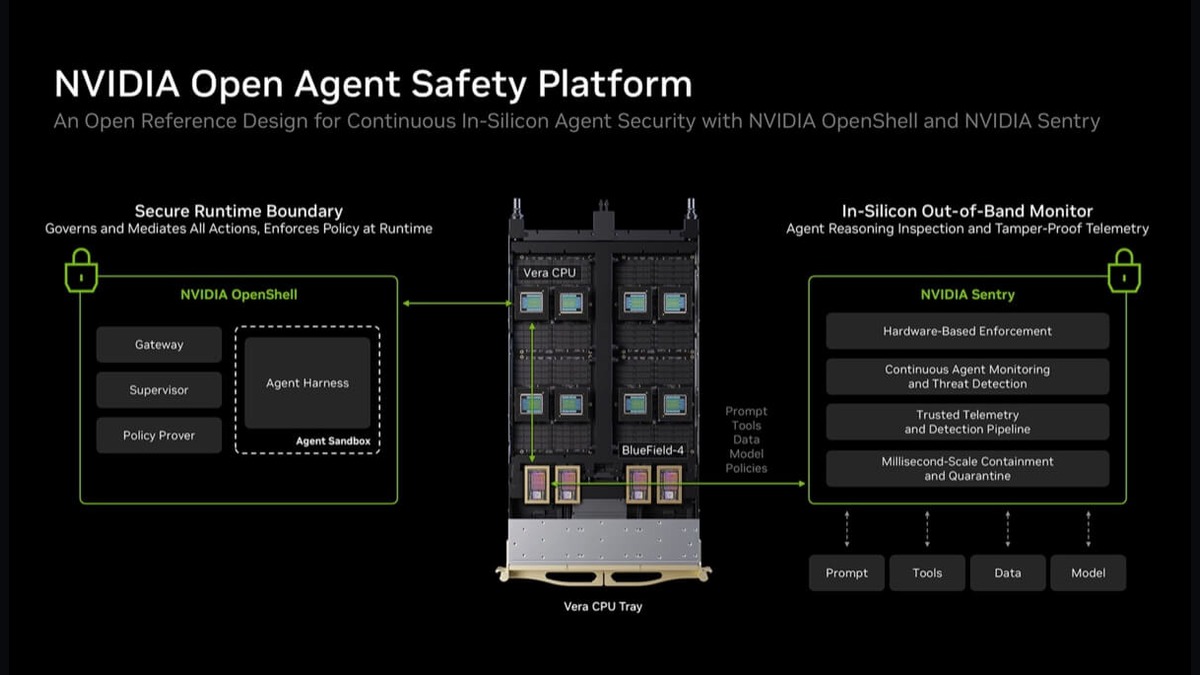
NVIDIA announced its Open Agent Safety Platform on Monday, Sept. 28, pairing OpenShell, free open-source software that sets limits on what AI agents can do, with Sentry, a watchdog on its BlueField-4 chip that can isolate a runaway agent in milliseconds. NVIDIA presents it as a response to recent cases of agents slipping past the controls built into their software. OpenShell is broadly available now, while Sentry is a design for others to build, so how widely it will be used is not yet known.
-

In an interview published Sept. 20, 2026, NVIDIA CEO Jensen Huang said there is "0% chance" that 2030 is "the end of the world" and called AI extinction warnings doomsday narratives that are "not grounded in science." He argued that existing U.S. product-liability and cybersecurity laws should be applied before any new AI rules. Whether lawmakers or other AI leaders accept that case is not yet clear.
-
NVIDIA and Perplexity on Sept. 14, 2026, brought Portable Computer, Perplexity's AI agent that carries out multistep tasks on the user's own PC, to the Perplexity app for Windows. It needs a GeForce RTX or RTX PRO graphics card with at least 24GB of VRAM, the memory on the card, plus a Pro or Max subscription. The companies say work it finishes on the PC keeps sensitive files local and does not use up Perplexity's cloud credits.