
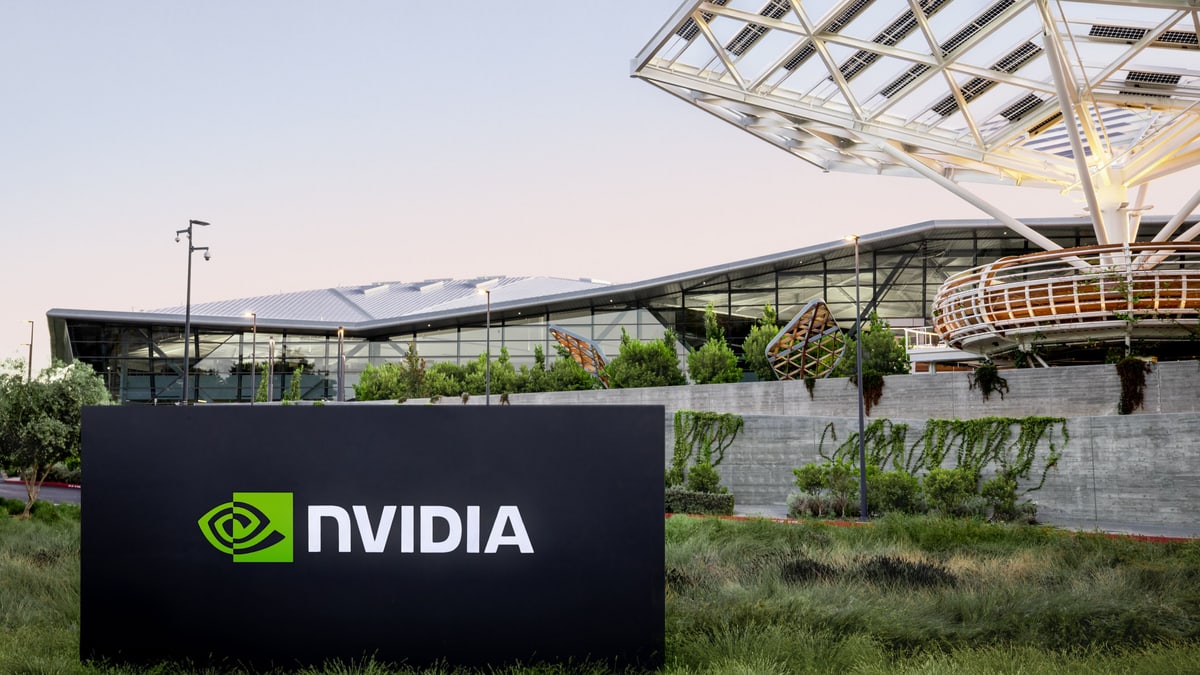
California Attorney General Rob Bonta served an investigative subpoena on NVIDIA on Thursday, Nov. 19. A subpoena is a legal demand for information. This one asks whether NVIDIA's advanced chips or confidential information may have gone to China through NVIDIA's or Huang's actions, and whether the company misled investors and the public about that risk. NVIDIA makes advanced AI chips, the hardware AI models are trained and run on.
Bonta's office ties the subpoena to what it calls the news of former chief executive Jensen Huang's affair with an alleged Chinese spy. On Nov. 8, NVIDIA's board opened its own investigation into reports that Huang was the target of a foreign intelligence effort, and said it had no reason to believe national security or NVIDIA's secrets were compromised. China has rejected claims of a spying effort aimed at Huang, according to a news report. On Nov. 12, the board said Huang had resigned as chief executive and left the board, and gave no reason.
"The conduct of Nvidia and its former CEO raises bright red flags, including about the ways in which the company may have misled investors," Bonta said. He added that the principle of California's corporate securities law is clear: "Companies cannot mislead their investors." His office says the information it gets will help it judge whether NVIDIA broke California law. A subpoena on its own is a step in an investigation, not a finding.
A news report names the woman Bonta's office calls an alleged Chinese spy as Alice Huang, a former executive at Megaspeed, a company based in Singapore that it says is being investigated over whether it sent restricted NVIDIA chips on to China. Singapore's government said on Nov. 12 that its police barred Alice Huang from returning to the country after she knowingly gave them inaccurate information to play down her role at Megaspeed. It said she was not investigated for spying.
Separate from the subpoena, the U.S. government decides whether certain advanced AI chips, such as NVIDIA's H200, can be sold to Chinese companies, by approving or refusing export licenses. On Nov. 19, the House Foreign Affairs Committee released records showing that, as of May 11, 2026, the government had approved licenses for 879,868 of NVIDIA's H200 and AMD's MI325X AI chips to Chinese companies. The records list every one of those approvals as not yet shipped as of that date.
Bonta's office has not said which documents it demanded from NVIDIA or when they are due. NVIDIA did not immediately respond to a request for comment, according to a news report. Bonta's office has used the same step before. It served OpenAI with an investigative subpoena in September, and on Nov. 16 it sued OpenAI over how the company tested its AI models.