
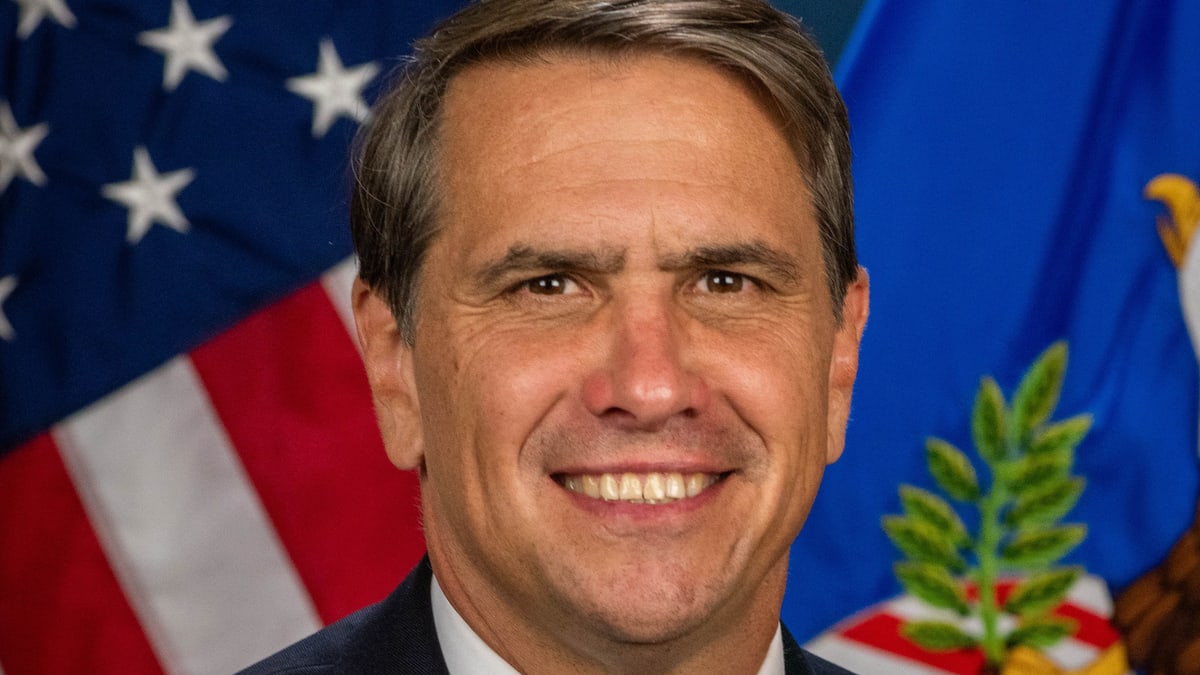
The U.S. Justice Department said on Thursday, Nov. 5, that it has formed a task force on AI, which it calls the Super Intelligence Task Force. The attorney general set it up in an Oct. 13 memo. Its job, the memo says, is to make sure America's lead in AI is not undermined by misuse from foreign governments and groups they sponsor, international criminal groups, and people or companies committing fraud or breaking other laws. "The Department of Justice will continue identifying and prosecuting individuals whose use of SI violates the law," said Attorney General Todd Blanche.
"Super Intelligence," or SI, is the administration's name for AI. President Trump's Sept. 29 executive order told federal agencies to use it, wherever the law allows, in place of "artificial intelligence" and defined it as the same technology federal law already calls AI. In the tech industry, superintelligence usually means AI much smarter than people, which no one has built.
The task force will organize the department's criminal and civil enforcement work involving AI, and recommend where enforcement should focus to keep the public safe and prevent misuse. It will also write guidance on prosecuting illegal AI-related conduct and on how the department judges companies' efforts to follow the law. When the task force asks, the department's divisions and U.S. attorneys' offices should tell it when they move to open an investigation in an AI matter, and before they bring charges or resolve one. The memo says this should not slow them down and is not needed in emergencies, such as an imminent threat to public safety.
The memo also tells the task force to take steps, as appropriate, to "promote American SI dominance" and to advise on bills and rules "that promote SI innovation without burdensome regulation." The new task force also takes in the AI task force that then-Attorney General Bondi announced on Jan. 9. Her memo gave that team one job: to challenge state AI laws that conflict with the administration's push for a single national approach that puts as light a burden on companies as possible. That team's cases, work and staff now move to the new task force, which will coordinate the civil lawsuits the department brings over AI.
Associate Attorney General Stanley Woodward and Associate Deputy Attorney General Stephen Weiss co-chair the task force for the attorney general. Its members include representatives of the department's antitrust, civil, criminal, national security and national fraud enforcement divisions, the FBI, the solicitor general's office and the attorney general's advisory committee. It is also the department's main contact with the Super Intelligence Force, a separate group President Trump created to keep America ahead in AI and chaired by Jay Clayton. Weiss said the department has a responsibility to use its law enforcement tools to discourage improper use of AI and to make sure companies "exercise vigorous internal controls so that SI technology behaves as intended."
The department has not named any case the task force is handling. Beyond its two co-chairs and one representative from each of eight named parts of the department, it has not said how many people will work on it, including how many came over from the January team. It has also not said when its guidance on prosecutions and on companies' safeguards will come out, or which state AI laws, if any, it plans to challenge.