
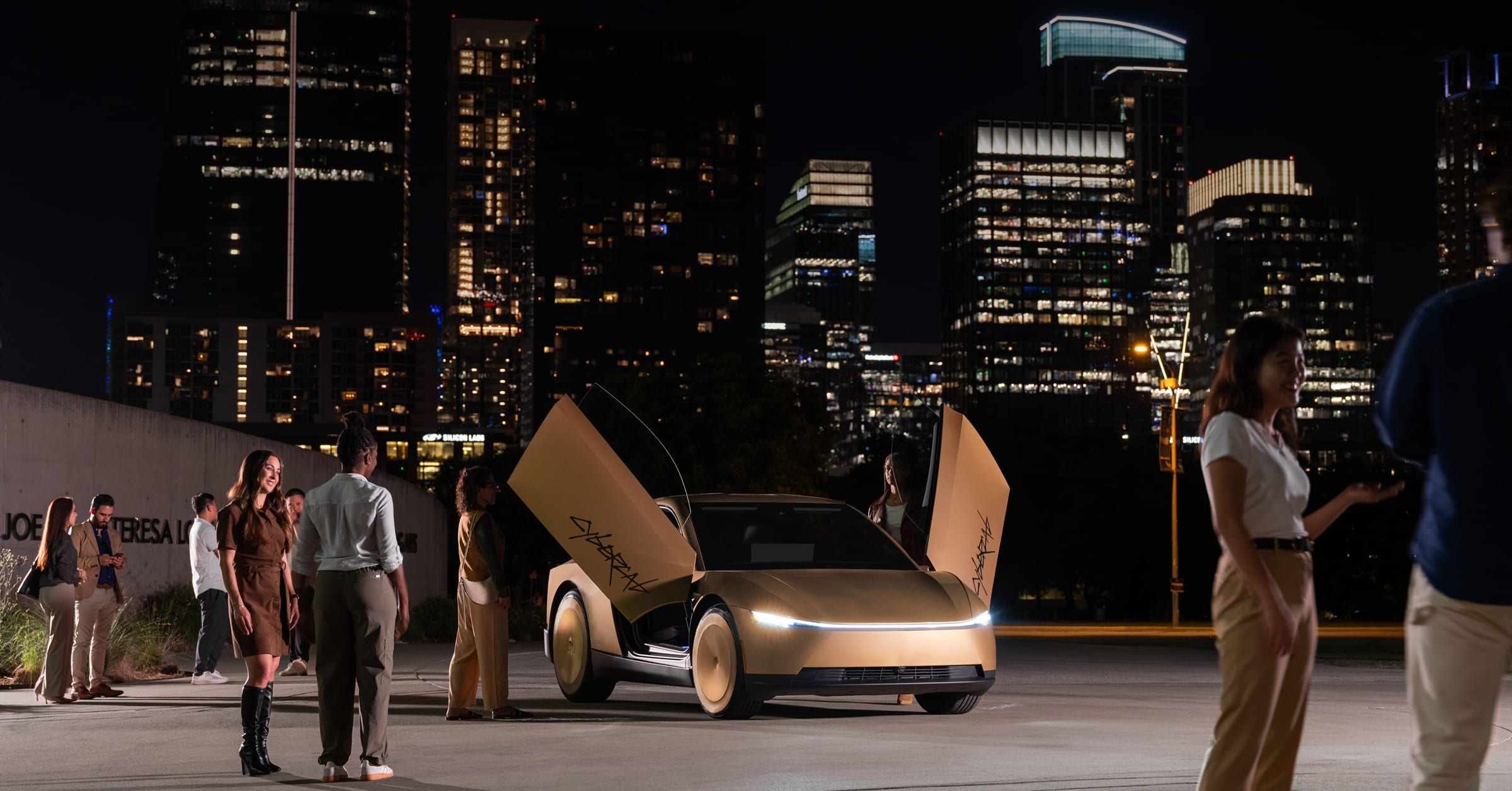
Tesla started offering driverless Cybercab rides in limited parts of Austin on Sept. 3, 2026. NHTSA opened Audit Query AQ26002 the same day and announced it on Sept. 4.
Tesla describes Cybercab as a two-seat robotaxi with butterfly doors and no steering wheel or pedals. Riders book through the Robotaxi app, sit in either seat, and start the trip from the touchscreen after buckling. Company pages say Cybercab rides are available only in limited Austin areas, while Model Y robotaxis already run in Austin, Dallas, Houston, Miami, Tampa and, on the main Robotaxi page, Orlando.
NHTSA's Office of Vehicle Safety Compliance resume says Tesla notified the agency it certified the Cybercab to all applicable Federal Motor Vehicle Safety Standards and plans to expand to more vehicles and locations. The resume lists an estimated population of 1,000 Cybercabs and notes the vehicles lack permanently attached conventional controls, including a brake pedal, gas pedal, steering wheel and mirrors.
The Sept. 4 press release says the audit will review the technical data Tesla used and whether the company treated some FMVSS requirements as inapplicable because the car has no traditional human controls. NHTSA Administrator Jonathan Morrison said the agency supports automated-vehicle deployment but still has to enforce existing law until planned rulemakings finish.
Independent: Reuters, citing Texas records the morning of Sept. 4, counted 45 Cybercabs among 420 Tesla autonomous vehicles registered in the state, far below NHTSA's 1,000-vehicle estimate for the certification file. Reuters also reported NHTSA had previously said Tesla had not petitioned for an exemption that can allow up to 2,500 vehicles a year without required human controls. In July, the agency approved such a petition for Amazon's Zoox.
The Center for Auto Safety told Reuters there is no reasonable reading that Cybercab can comply with FMVSS written for human-driven cars. Tesla did not respond to Reuters' requests for comment. NHTSA has not said the Cybercab is unsafe. The Audit Query is a paperwork review, not a crash probe, and it is separate from other Full Self-Driving investigations.
Unknowns include how fast NHTSA will close AQ26002, whether Tesla will later seek an exemption, and when Cybercab service will leave Austin. Tesla's own pages do not publish a public fare table. They say a price estimate appears in the app.