
Topic
Tesla
9 stories, newest first.
-
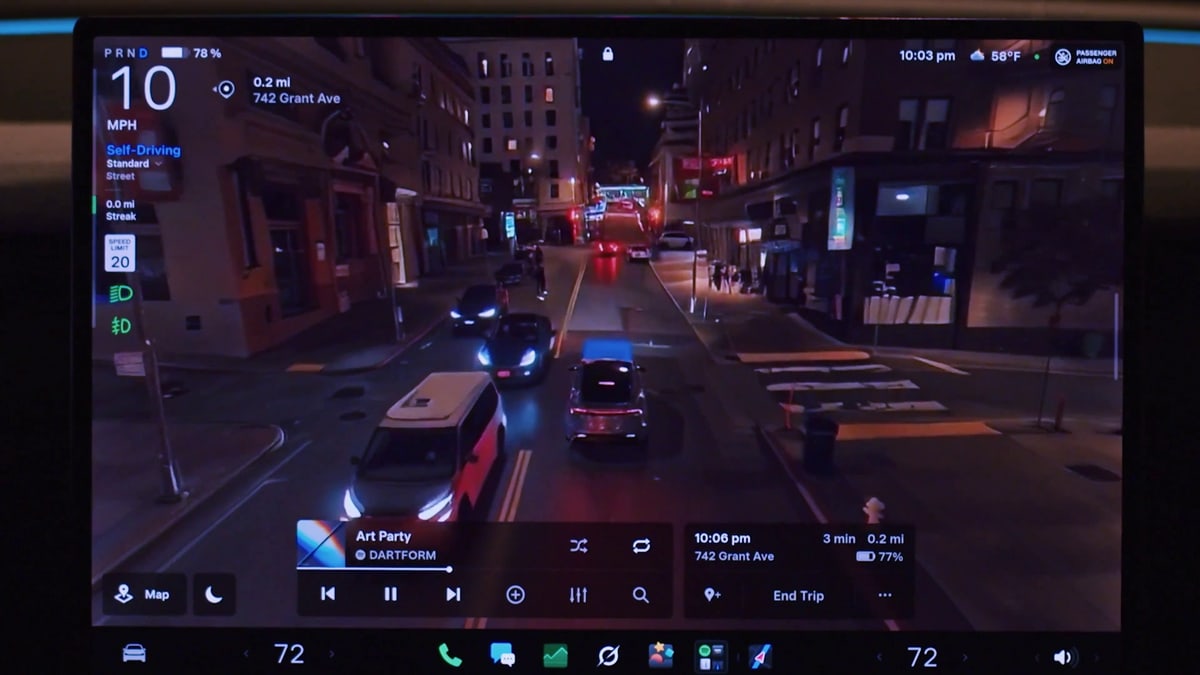
Tesla said on Nov. 21 that version 15 of FSD (Supervised), its software that can drive its cars while the driver watches, has started rolling out, with a new on-screen view of what the car plans to do. Tesla says the update handles safety-critical situations 25 times better, a figure its release notes tie to how often drivers must step in at critical moments, but Tesla has not given the underlying numbers or how many miles it counted. The main U.S. auto safety regulator still has at least two open investigations into the software, and Tesla has not said which cars get the update first.
-
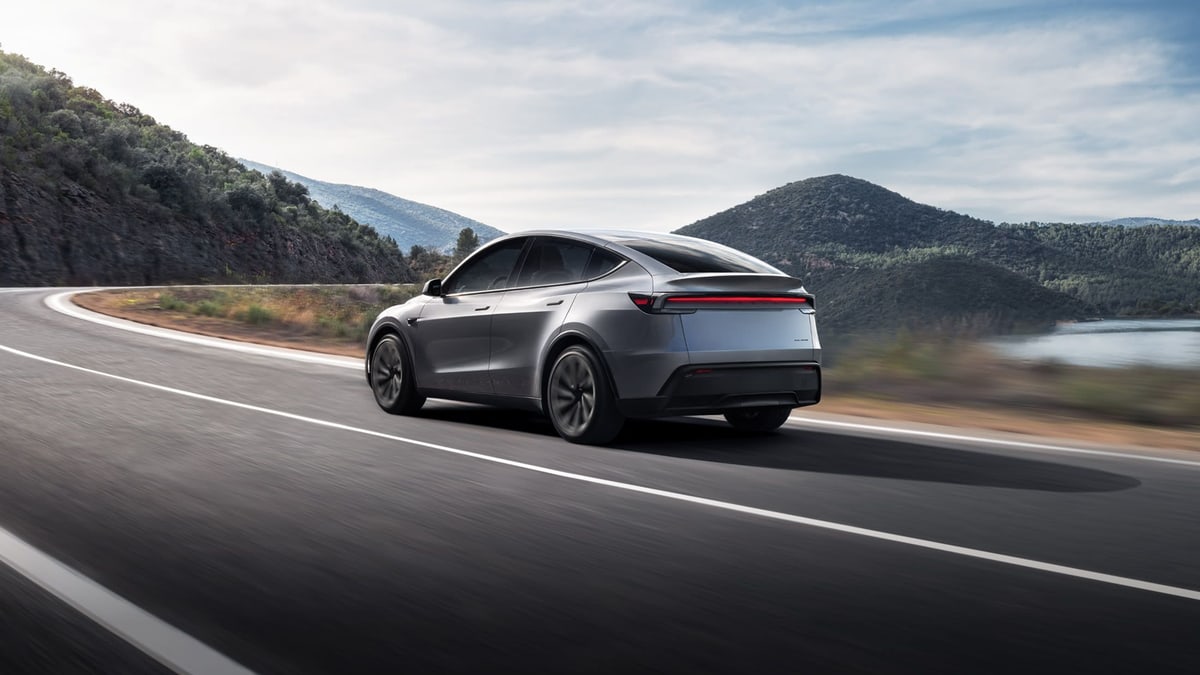
Italy's transport ministry has cleared Tesla Assisted Driving, software that can steer a Tesla and set its speed in city traffic, around roundabouts and through lane changes while the driver keeps watch and stays responsible. Italy is the 12th EU country to allow it and the first of the four most populous. The approval is provisional and rests on a Dutch approval, while EU countries still decide whether to allow it across the union.
-
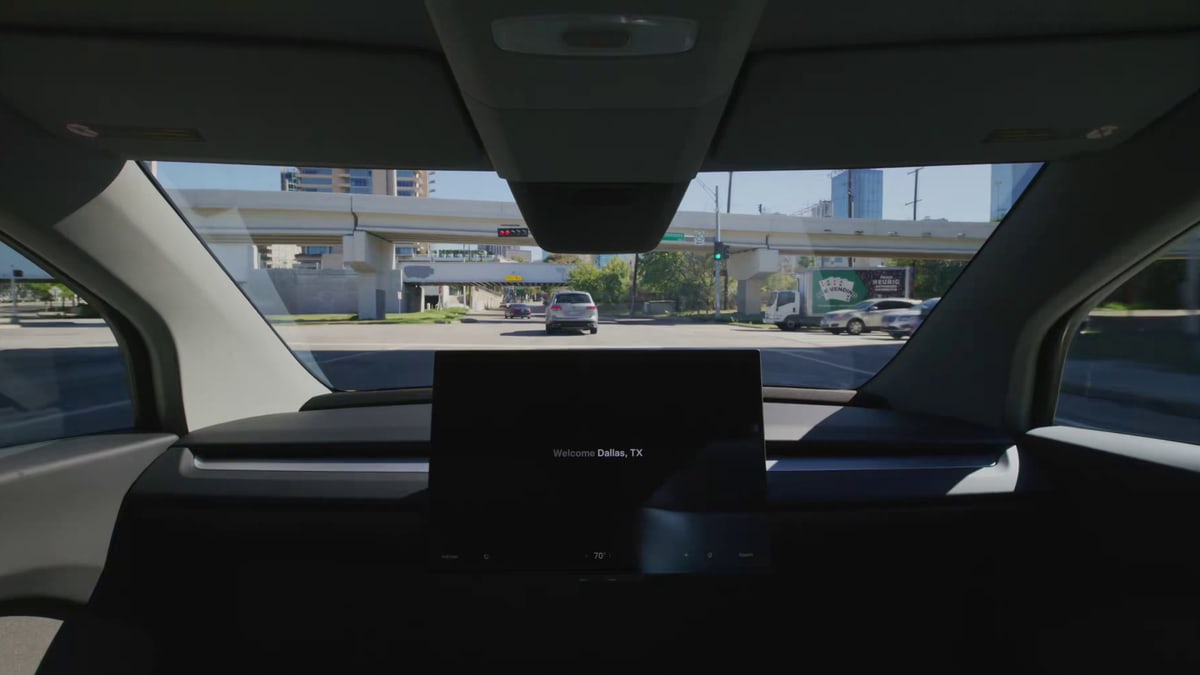
Tesla said on Nov. 19 that its Cybercab, a two-seat car with no steering wheel that Tesla says drives itself, is now giving rides in Dallas, its second city after Austin. For now, riders can't choose it: Tesla sends a Cybercab or a self-driving Model Y depending on which is free and how many people are riding. Tesla has not said how many Cybercabs serve Dallas or how much of the city they cover.
-
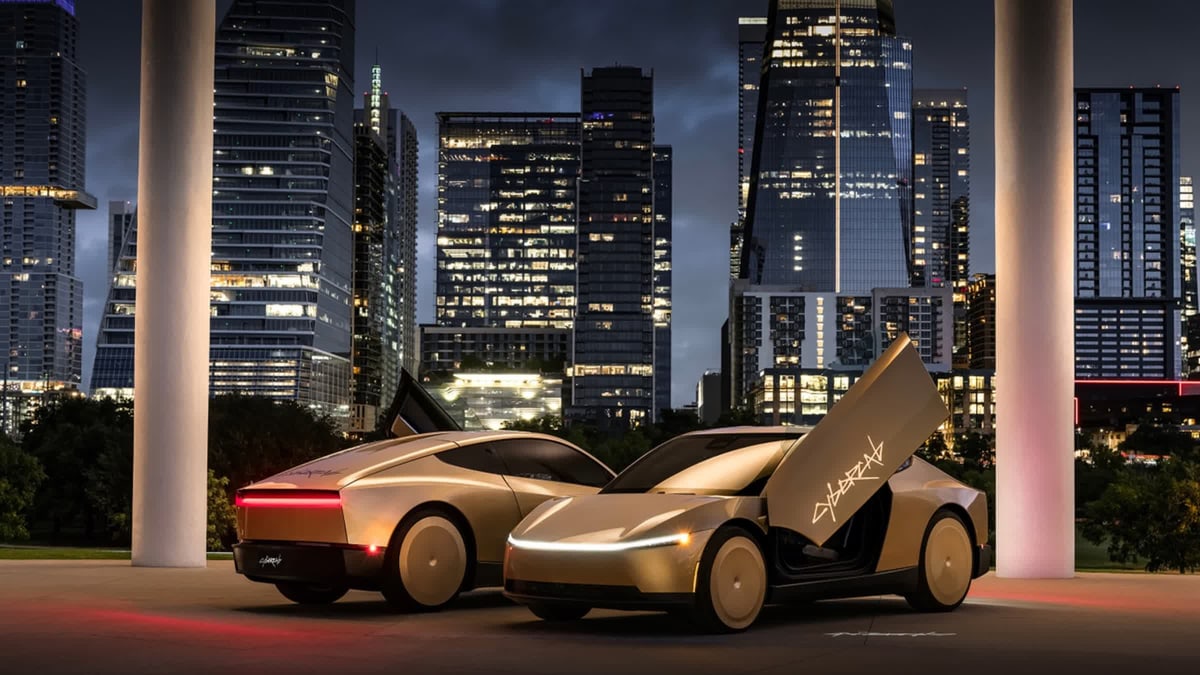
Tesla says it has begun inviting select customers to buy its Cybercab for personal use. The two-seat car has no steering wheel or pedals, and since Sept. 3, 2026 it has carried paying riders in Tesla's ride service, first in limited areas of Austin, Texas, and now in Dallas too. According to a news report, the order page lists it at $29,990 before taxes, with delivery estimated for December 2026 in Austin, and the car won't run without a $299 monthly subscription or outside areas Tesla approves. Tesla has not said how many people it is inviting.
-
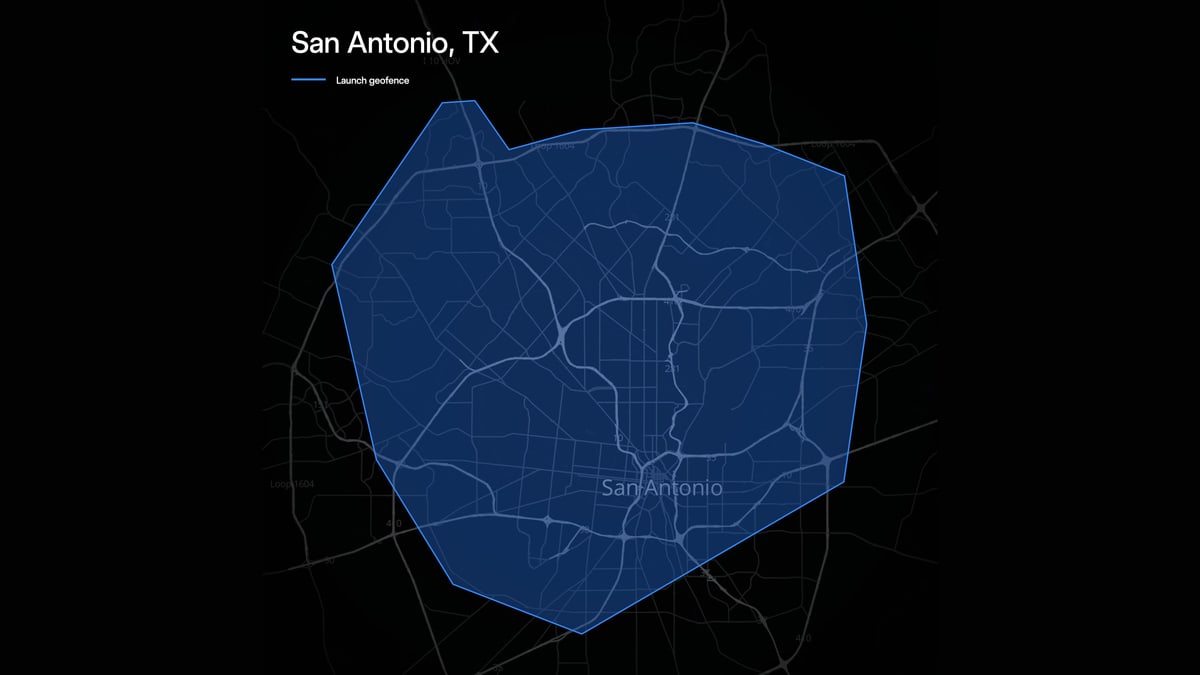
Tesla's Robotaxi service opened to riders in San Antonio at 5 a.m. local time on Monday, Nov. 9, making it the eighth city where Tesla offers Robotaxi rides, joining Austin, Dallas, Fort Worth, Houston, Miami, Orlando and Tampa. A news report puts the zone at about 274 square miles, though the city's airport sits inside it and isn't served. Tesla has not said how many cars serve San Antonio or how much of the zone on its launch map riders can actually book.
-
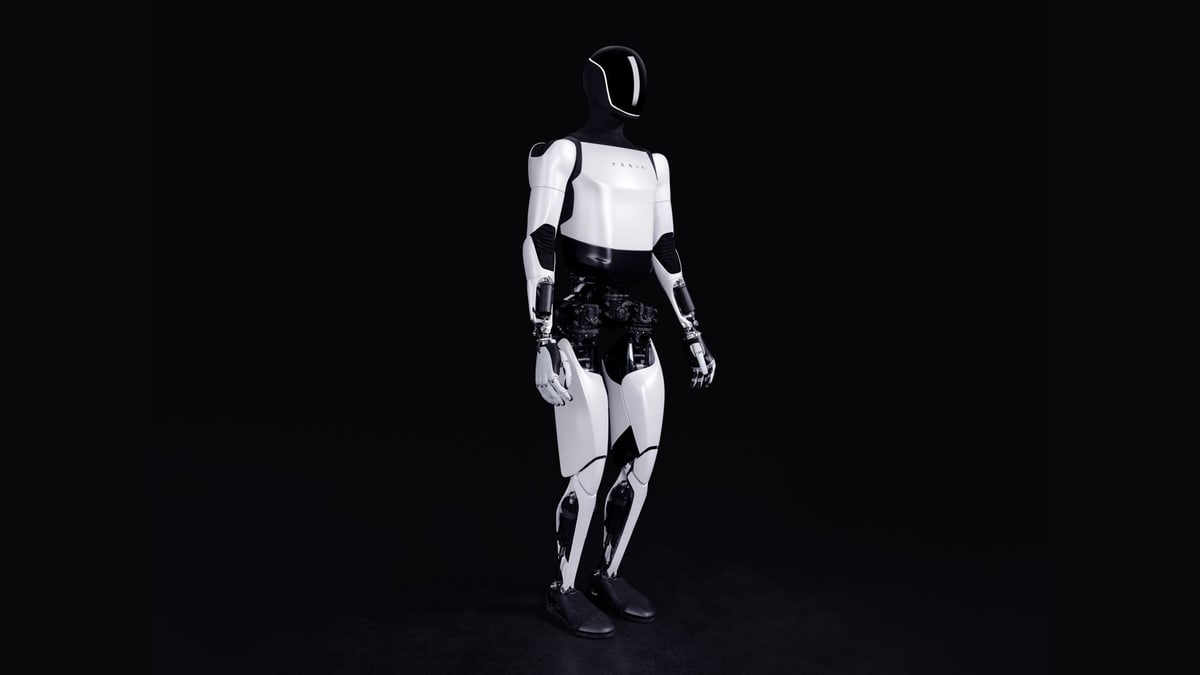
Tesla says it has started building Optimus, its humanoid robot, on what it calls "high-volume lines" at its factory in Fremont, California, and calls them the first production-quality robots it has made. Chief executive Elon Musk said production will grow slowly and the robot's AI still needs a lot of work, according to a news report. Tesla's letter does not say how many it has built or what jobs they can do on their own.
-
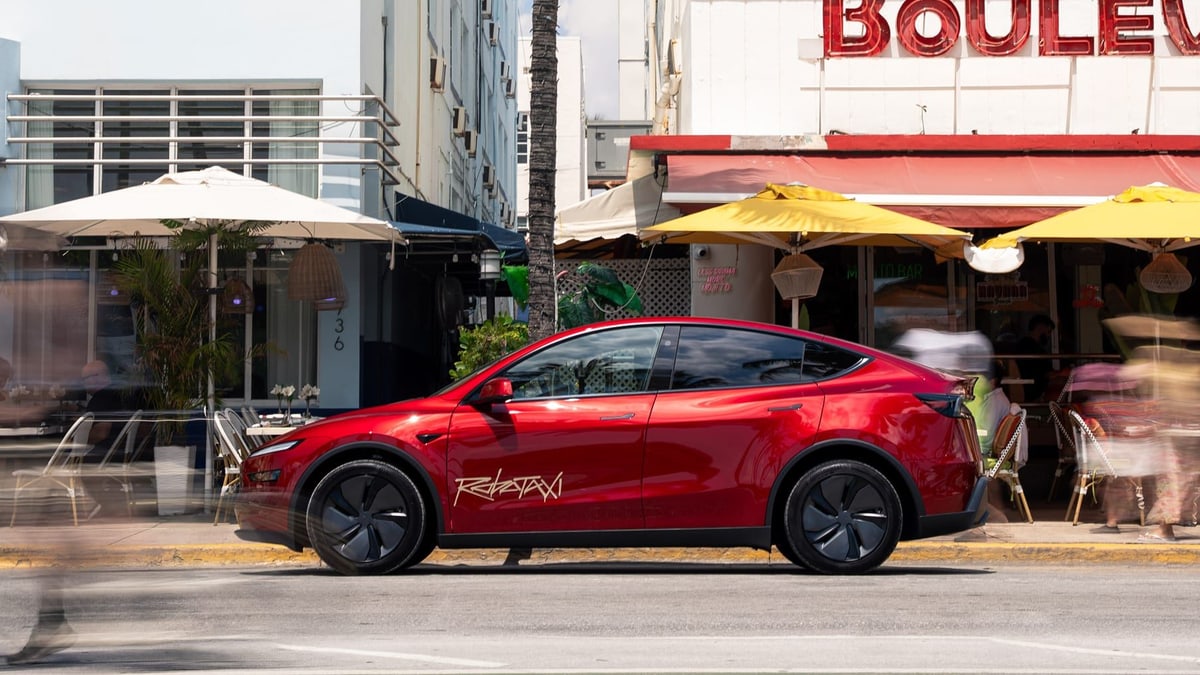
The U.S. auto safety regulator is reviewing a petition that says Tesla's robotaxis (Model Y cars and two-seat Cybercabs) go faster than the posted limit in active school zones when Tesla's self-driving system is in control. The review decides whether to open a formal investigation, and is not a finding that anything is wrong. The person who filed it sent links to three videos, and the agency lists no crashes or injuries.
-
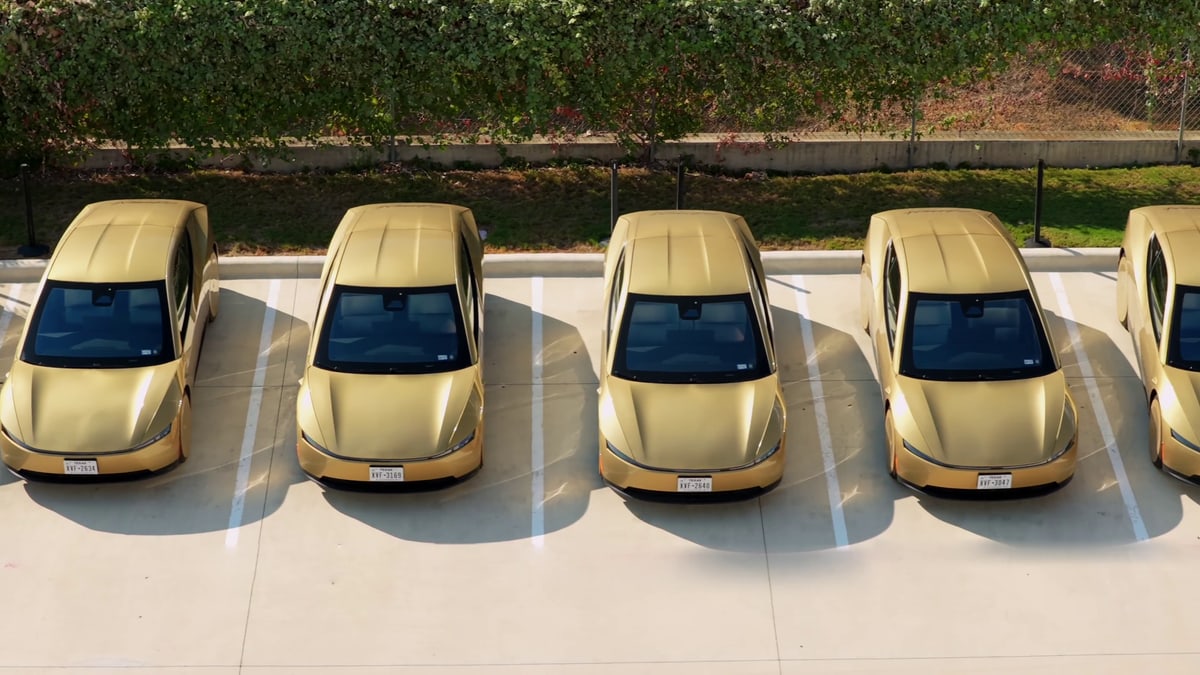
Tesla says its fleet of Cybercabs, two-seat robotaxis with no steering wheel or pedals, has grown to more than 300 in Austin, eight times as many as 30 days earlier, and a Tesla executive says Dallas is coming soon. The U.S. auto safety regulator is reviewing how Tesla certified the car as meeting federal safety rules, and has given Tesla until Oct. 30 to answer its questions under oath. Tesla has not said how many of the cars carry riders at any one time, or when rides start in Dallas.
-
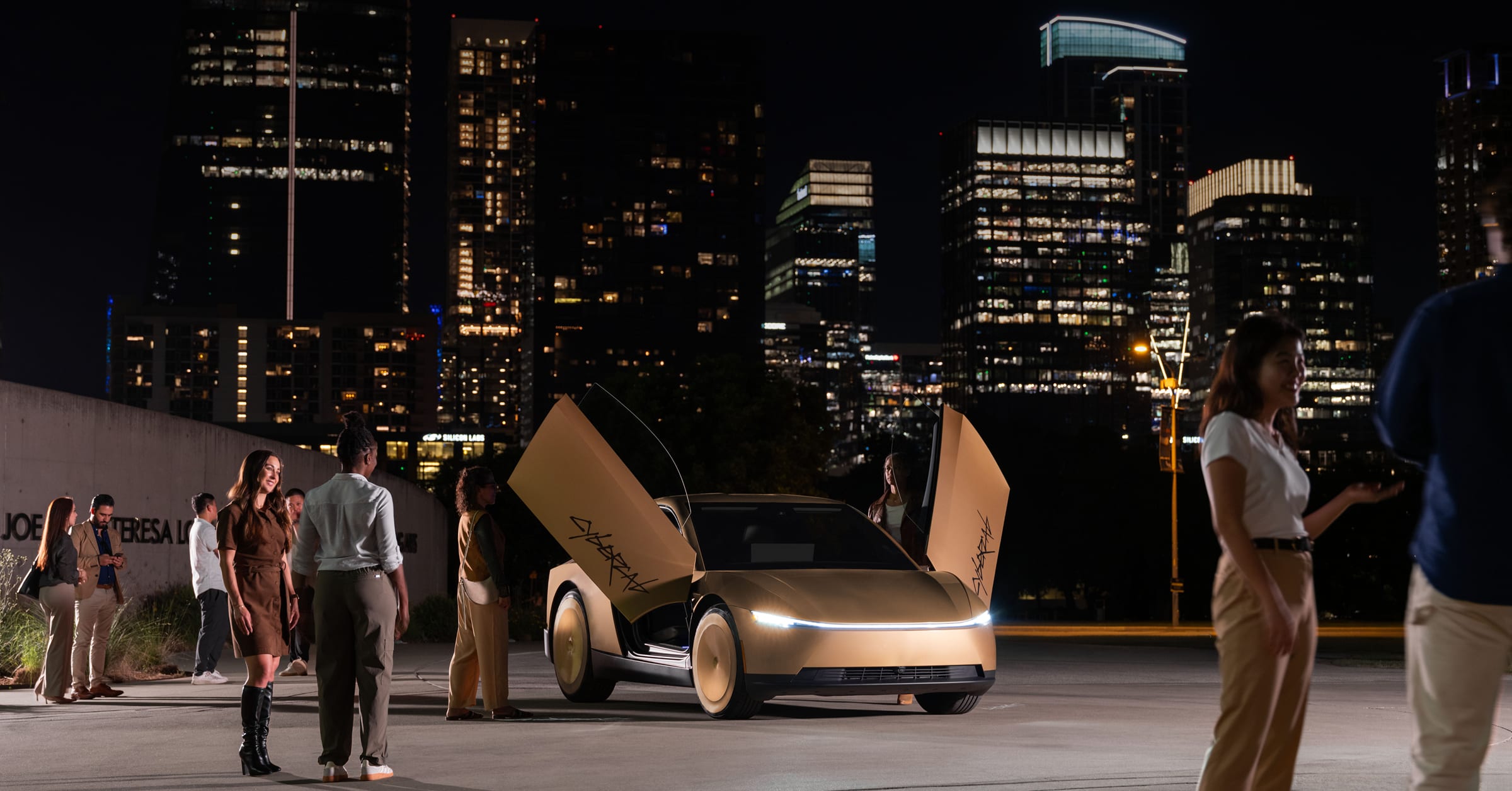
Tesla started offering driverless Cybercab rides in limited parts of Austin on Sept. 3, 2026. The National Highway Traffic Safety Administration (NHTSA) opened Audit Query AQ26002 the same day, announced Sept. 4, to examine how Tesla certified a vehicle with no steering wheel, pedals or mirrors. NHTSA has not said the Cybercab is unsafe; the audit reviews Tesla's certification paperwork, not crashes.