
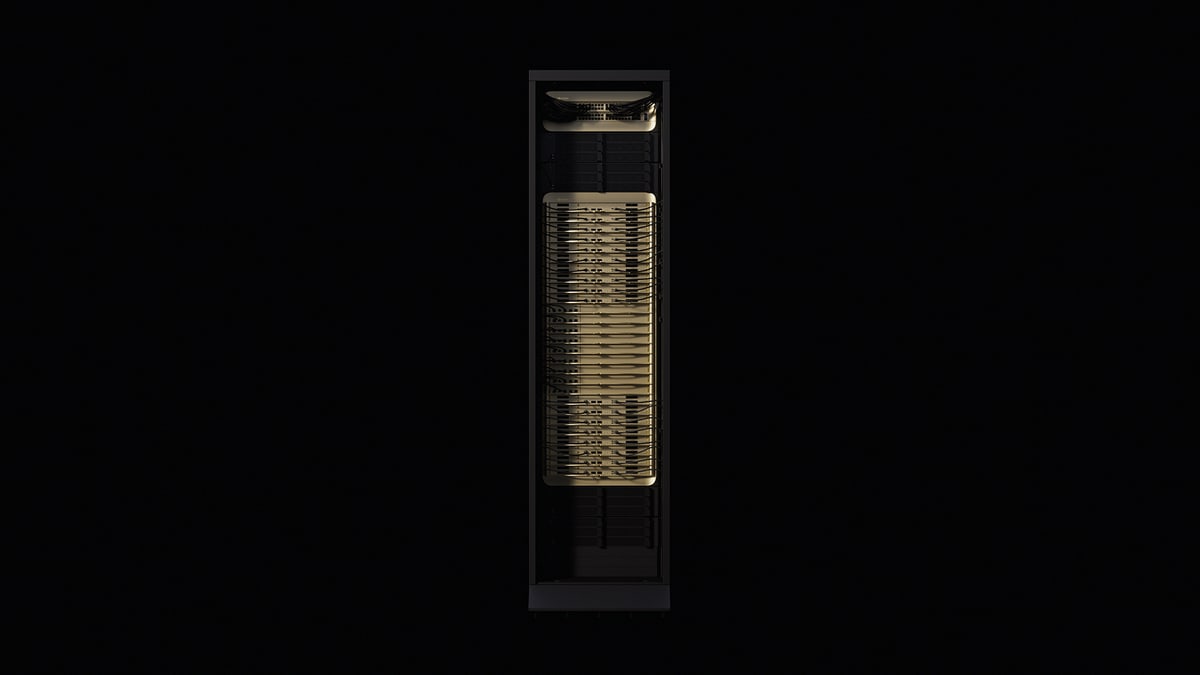
The investment firm Apollo Global Management and Goldman Sachs said on Nov. 20 that investors had agreed to buy about $44 billion of debt. The money pays for NVIDIA's next generation of GPUs, advanced AI chips, the hardware AI models are trained and run on, and related equipment for SpaceX. The chips are NVIDIA's Vera Rubin line. SpaceX, which runs the Grok AI service, will use them to add computing power on Earth, in data centers it chooses. Apollo and Goldman call the deal the largest financing of these chips so far. SpaceX made the same claim in October, when it announced the lease this money pays for.
SpaceX will not buy the chips itself. It said on Oct. 26 that it had made a binding commitment to lease them from a company managed by Apollo, which will buy the equipment and rent it to SpaceX. In a filing with U.S. securities regulators, SpaceX said the chips will arrive in batches, each with its own lease of about five to five and a quarter years. Rent is paid every three months. Each payment covers about one-twentieth of the batch's cost, plus interest at a fixed yearly rate on what is still owed and some ongoing costs. Twenty payments, one every three months, cover the full cost over five years, so SpaceX in effect pays for the chips over time with money investors put up front. SpaceX expected those payments toward the cost, not counting interest, to total about $40 billion.
To pay for the chips and equipment, Apollo and Goldman Sachs led a sale of notes, a form of debt that pays investors interest. Apollo says investors asked for more than was on offer, so the sale grew. Neither company has said how the $44 billion lines up with SpaceX's $40 billion estimate. Funds managed by BlackRock and Goldman Sachs Asset Management, and accounts advised by the investment firm KKR, had signed on by October and made large early commitments the sale was built around. According to a news report, the largest slice, about $25 billion of notes that investors are repaid by April 2033, will earn them 8.259% a year. That is what investors earn, not the rate SpaceX pays.
The chips are not due until the first half of 2027, when the leases are expected to start as the equipment arrives. In October, SpaceX said the lease still had conditions to meet and that it expected to sign it before the end of 2026. Its filing said the lease's fixed rate would be set at pricing, before SpaceX signs, and neither SpaceX nor Apollo has disclosed a rate since the debt was priced on Nov. 20. None of the companies has said how many chips the money will buy or which data centers will hold them. SpaceX's filing warns that the deal may not close on these terms or on time, or at all, and that deliveries and payments may differ from what it expects.
SpaceX's finance chief said in October that the company aims to build the largest computing operation in the world, to run Grok for businesses and consumers and for cloud customers, companies that rent computing power from it. The finance chief also said SpaceX was seeing "less than one year payback periods" on its spending on AI infrastructure. A payback period is how long an investment takes to earn back what it cost. That is SpaceX's own figure, and it has not published the numbers behind it.