
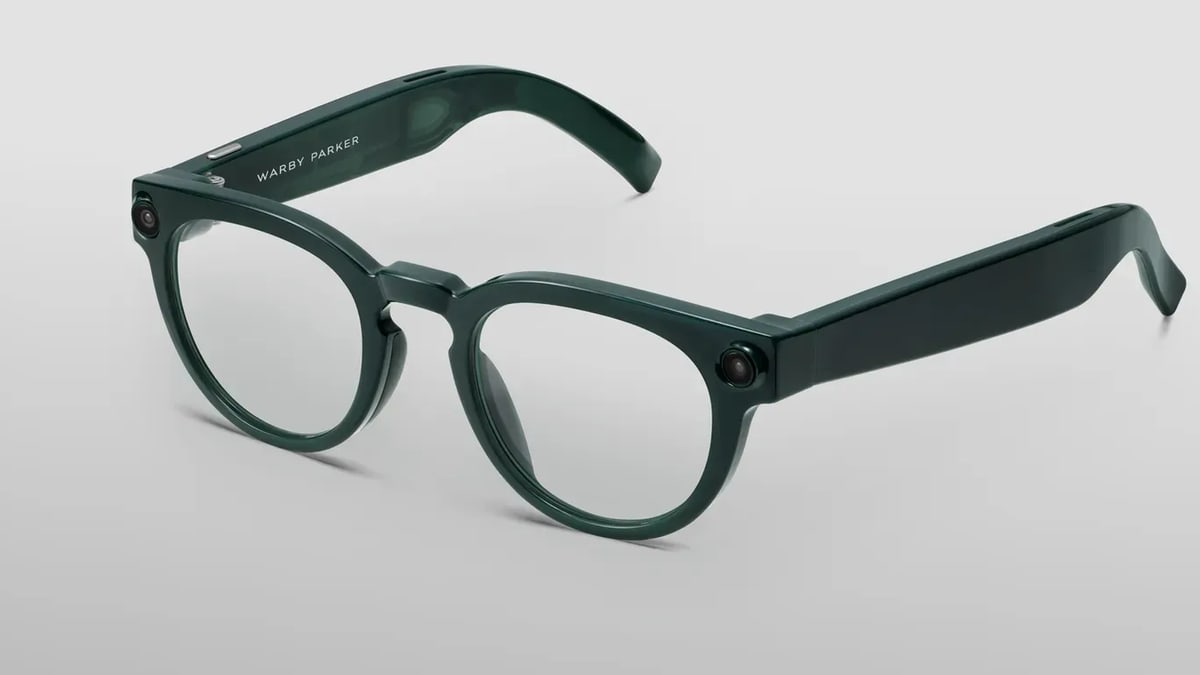
Google and Samsung opened preorders on Nov. 12 for glasses with Google's Gemini AI assistant built in. Samsung made the hardware with Google, and the eyewear brands Warby Parker and Gentle Monster designed the frames. A small camera in the frame lets Gemini see what the wearer is looking at. In the companies' examples, a wearer asks about a street mural or an event poster, or has a restaurant menu translated, and hears the answer through small speakers that sit near the ears. Samsung first showed the glasses in July, and Nov. 12 brought their prices and on-sale date.
The glasses go on sale on Dec. 10 in the U.S., and Gentle Monster's frames also go on sale in South Korea. Warby Parker's three styles start at $395, as regular glasses or sunglasses. Gentle Monster's six designs cost $449 to $489 in the U.S., Samsung says. Prescription lenses are offered for most frames. Preorders are open in both brands' stores and online, and Warby Parker offers demos at more than 360 of its stores.
They work with Pixel 7 and newer phones with the September 2026 Android update, Samsung Galaxy S and Z phones running Samsung's One UI 9 software or newer, and the iPhone 13 Pro or newer. Some features work only with an Android phone at launch, including Guided Vision, which describes what is in front of the wearer aloud, such as small print, for people who are blind or have low vision. Google says Guided Vision can make mistakes and is not a medical device or a mobility aid such as a white cane. The glasses need a U.S. or South Korean Google account belonging to an adult.
Samsung says the glasses weigh about 41 grams and last up to nine hours on a charge, and Google says their case can recharge them up to seven times, which Samsung puts at up to 72 hours in all. Part of the computing runs on the paired phone, which helps keep the frames light, Samsung says. Wearers can also ask Gemini to translate speech in more than 70 languages, and Google Maps gives turn-by-turn directions in the wearer's ear, Google says. According to a news report, these pairs have no screen in the lens, and versions with one are still being tested.
Google says bystanders it heard from in its research worried about being filmed without knowing. A light on the outside of the frame shines when the wearer takes a photo or video, and the glasses are designed to block recording if that light is covered. Google says the glasses are designed to hide the faces of people nearby before Gemini looks at a picture. It says what Gemini sees is not saved to the wearer's Gemini history or used to train AI or target ads. Wearers must agree not to record people without permission, not to record in sensitive places and not to cover the light, and Google may cut off use of the glasses for anyone who breaks those rules.
The glasses go up against Meta's Ray-Ban glasses, which lead the market, according to a news report. How well Gemini answers in noisy, everyday settings, away from store demos, won't be clear until buyers wear them. Google and Samsung have not said when the glasses will reach other countries.