
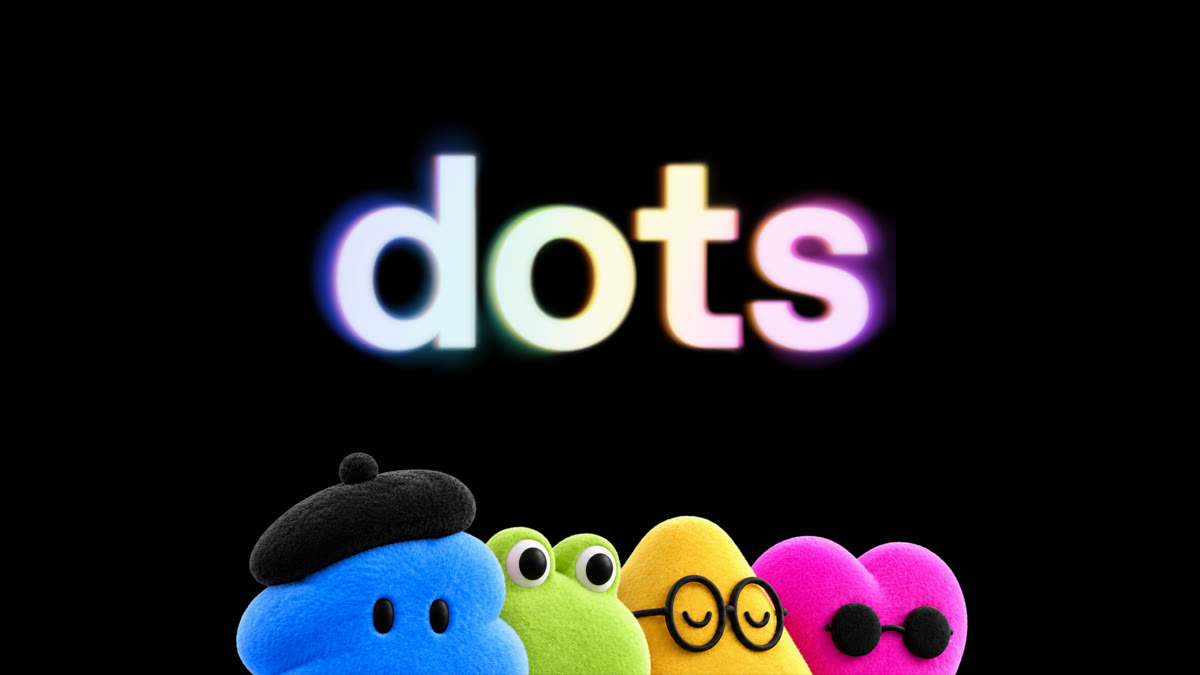
On Sept. 29, OpenAI introduced dots, AI agents that can carry out tasks on their own, such as using apps and websites, instead of only answering questions. A dot keeps working toward its goals around the clock, OpenAI says, which puts weight on the controls people keep over what it does. The company announced dots at DevDay, its developer conference, and its DevDay 2026 recap describes more than 20 major announcements.
OpenAI calls dots remarkably capable. Each runs on its own cloud computer, learns from feedback and connects to more than 4,000 apps through plugins. The company says dots launched on GPT-6 Astra and can be reached through ChatGPT, Slack or Teams. Users can look inside a dot's computer, control its access and permissions, and review its actions through approvals.
The rollout starts with a primary personal dot. OpenAI says it is beginning to roll out dots across Pro, Business Premium and Enterprise plans in eligible markets, with plans to expand later. It is also previewing specialist dots for organizations, with their own identities for managing access, and a path toward Microsoft Agent 365.
OpenAI's DevDay recap lists dots among the day's products and describes agents that can take on ongoing responsibilities. The same day, OpenAI introduced GPT-6.1 Sol, a model it says nearly matches GPT-6 Astra on coding work it carries out by itself, on using a computer and on professional work, at about one-fifth of Astra's standard prices for the text it reads and writes. Dots run on GPT-6 Astra, not on Sol. On Nov. 3, OpenAI said dots can also draw on GPT-6.1 Terra, a cheaper model it released in October.
It is not yet clear how far the rollout across Pro and Enterprise plans will reach, how approvals will work in practice when dots act overnight, or how specialist dots will behave inside real company systems.