
Topic
Amazon
12 stories, newest first.
-
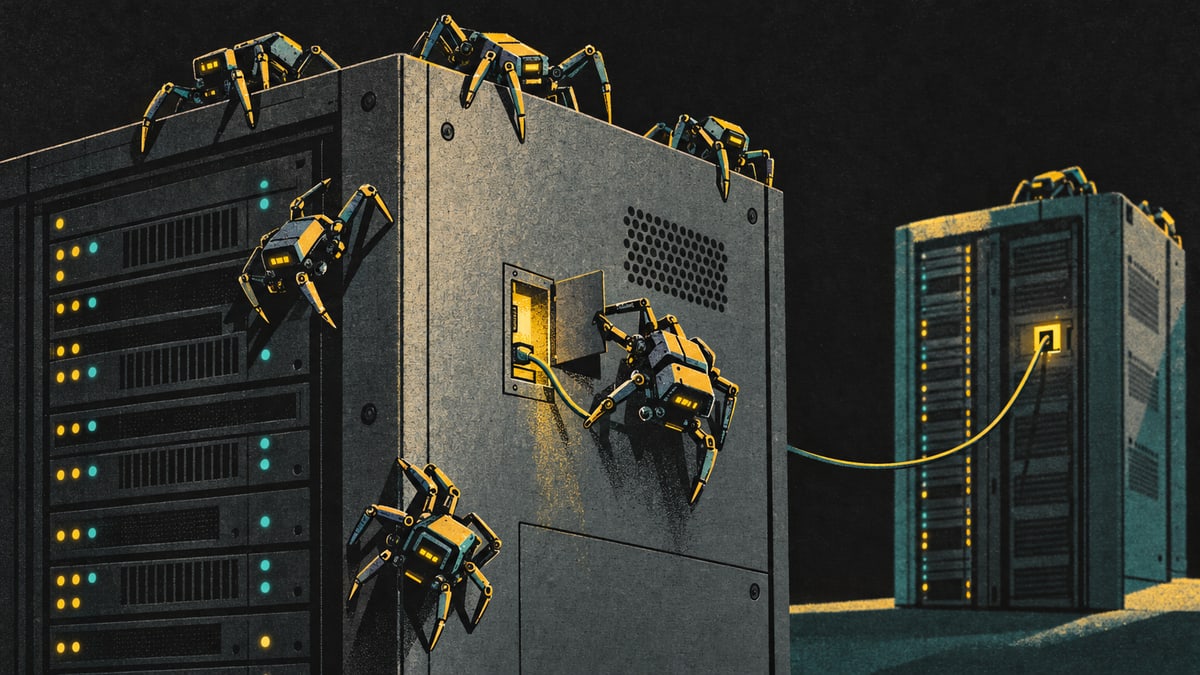
Amazon's threat investigators say a hacking group Amazon is moderately confident is tied to China set a free AI tool called Cairn loose on universities in East Asia in September, with goals such as "obtain shell access," meaning the ability to run commands on a computer from afar. Amazon says the tool's AI agents found a flaw no one knew about in a medical imaging app and used it to take full control of a server, and Amazon believes the group used the same flaw to get into a server at a second university. The app's makers have fixed the flaw in their code, but their advisory says the fix will reach users only in the next release.
-
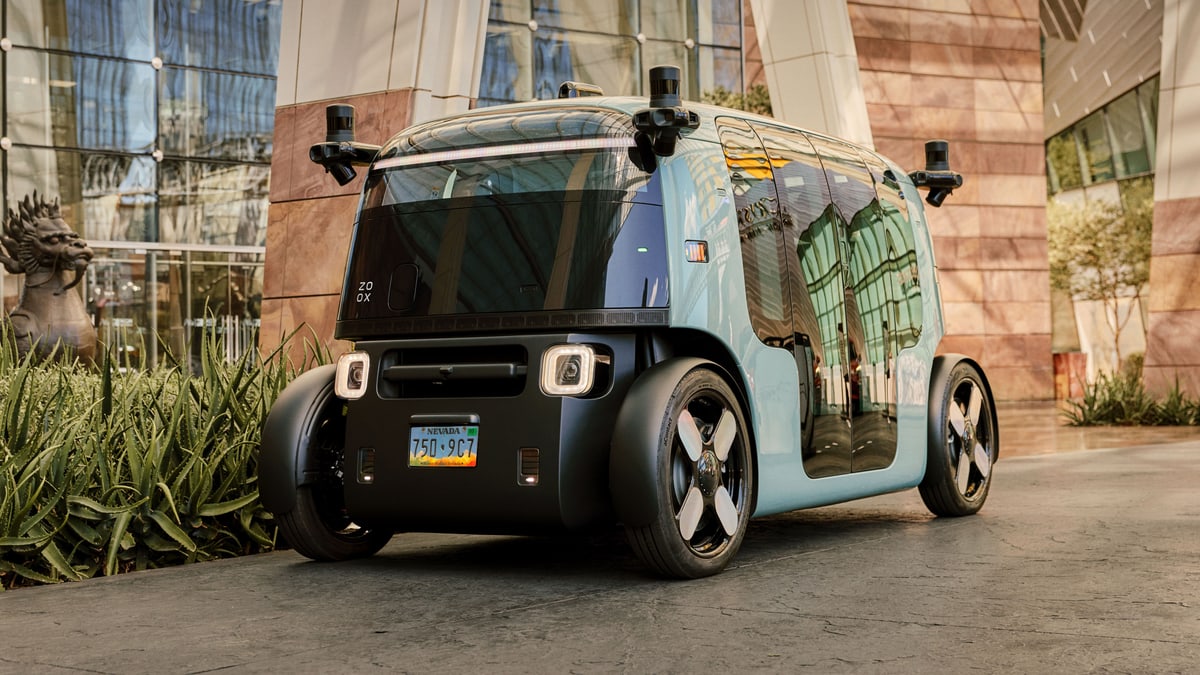
Starting Nov. 16, people who order some regular Uber rides in Las Vegas may be picked up by a Zoox robotaxi at no extra cost. The companies say it is the first time Amazon-owned Zoox has offered rides through another company's app, and Uber and Zoox plan to do the same in Los Angeles in 2027. Zoox says it is starting with a small fleet, and neither company has said how often riders will get one.
-
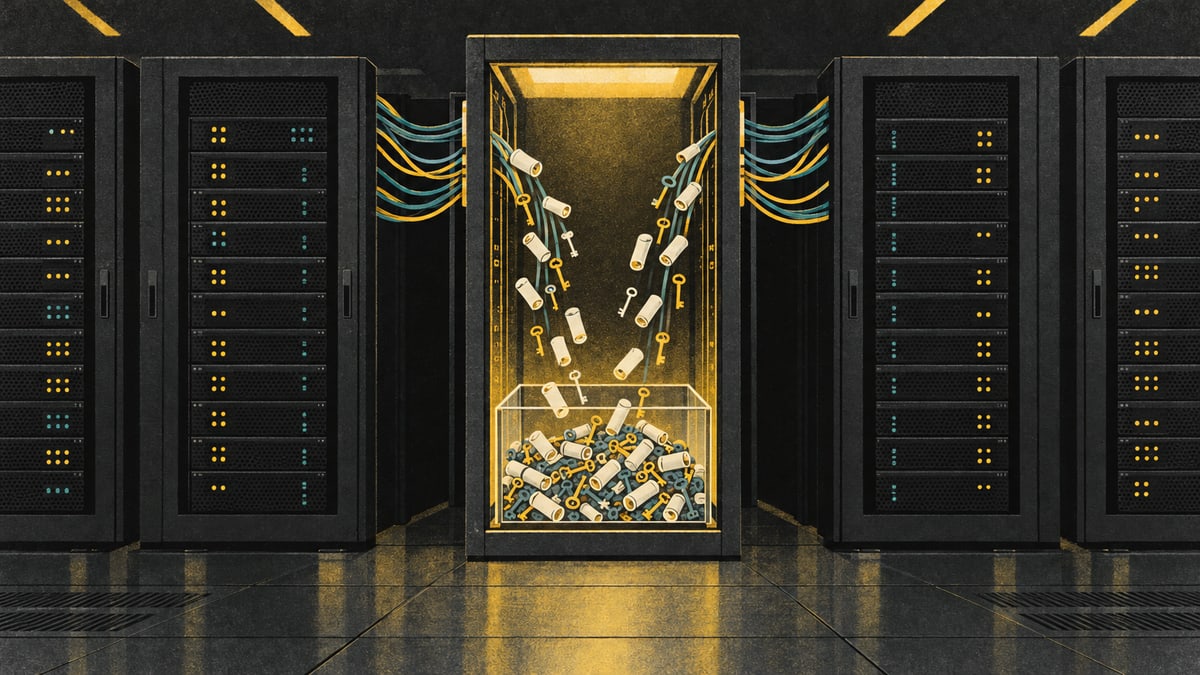
Amazon says decoy servers it set up to look like popular AI services received requests from criminals' AI agents between Oct. 3 and Nov. 5, and the requests carried the agents' own records of their campaigns. The records describe stealing keys that unlock paid AI services, and using AI-faked live video to try to pass identity checks at two cryptocurrency exchanges. One check rejected the fake video every time the agents recorded. Amazon says it cannot verify the results the agents reported.
-
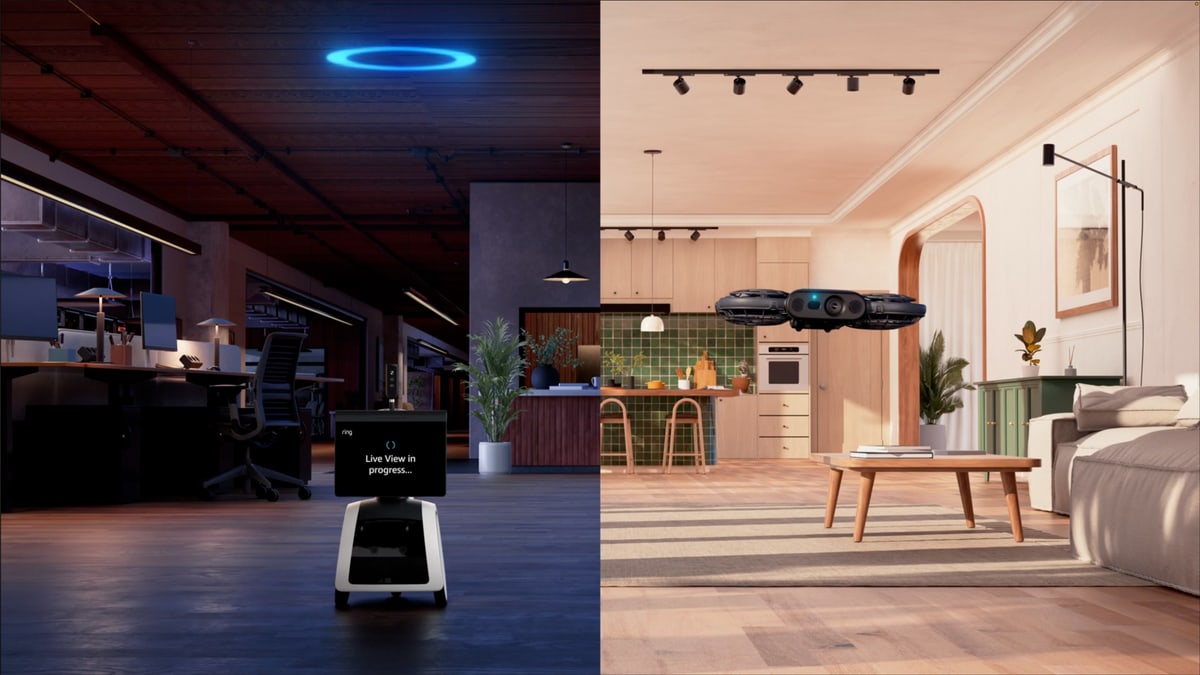
Ring, Amazon's home security brand, is taking orders for Rover Cam, a $999.99 wheeled robot that patrols an office, store or warehouse on its own and ships in the U.S. on Dec. 16. Ring's $249.99 Drone Cam, a camera that flies from room to room inside a home, is due to ship in the U.S. on Jan. 27, 2027, but cannot be sold until the U.S. Federal Communications Commission authorizes it. Ring says both draw their own map of the space and head out when another Ring device is triggered.
-
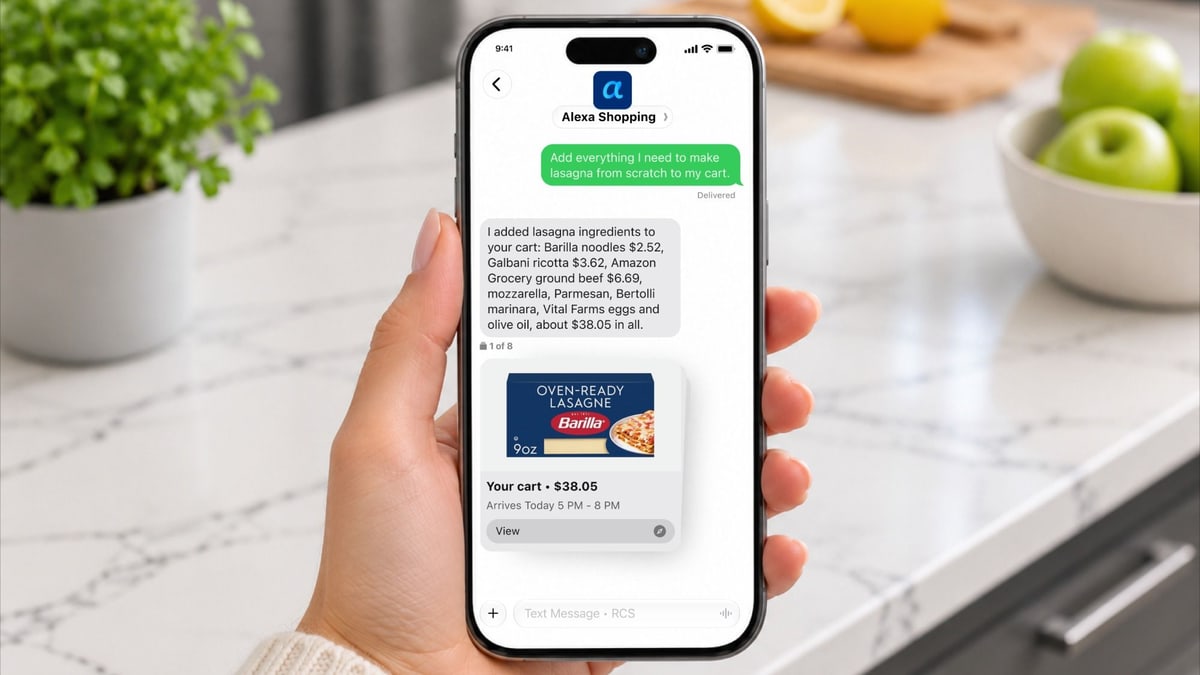
Amazon now lets customers send ordinary text messages to Alexa for Shopping, its AI shopping assistant, which the company says can search, fill a cart and complete a purchase for them. Texting started with a small invited group of U.S. customers on Nov. 6, and on Nov. 13 Amazon said it is now widely available to all Alexa for Shopping customers, without saying which countries that covers.
-
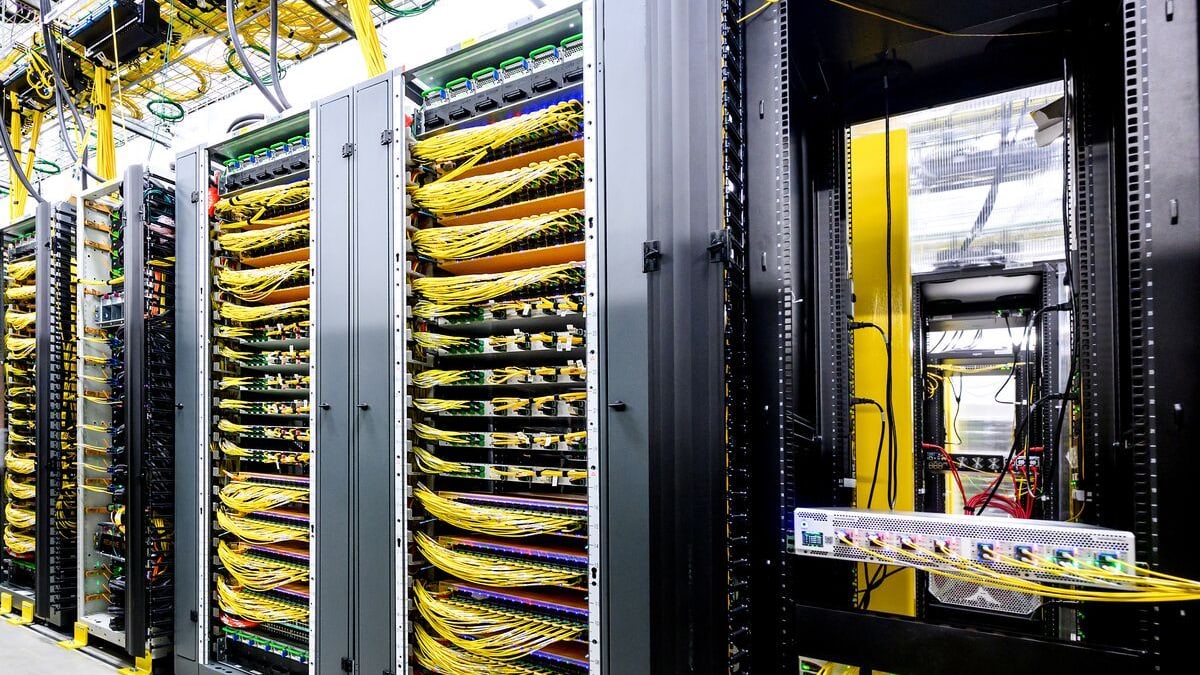
Amazon says sales at Amazon Web Services, its business that rents computing power, storage and databases to other companies over the internet, rose 39 percent to $46.0 billion in the three months to Sept. 30, its fastest growth in nearly five years. Over the past 12 months, Amazon's spending on buildings and equipment ran $42.4 billion past the cash its business brought in, mainly because that spending rose sharply, a rise Amazon says mostly went to AI. Amazon does not say how much of the cloud growth came from AI.
-
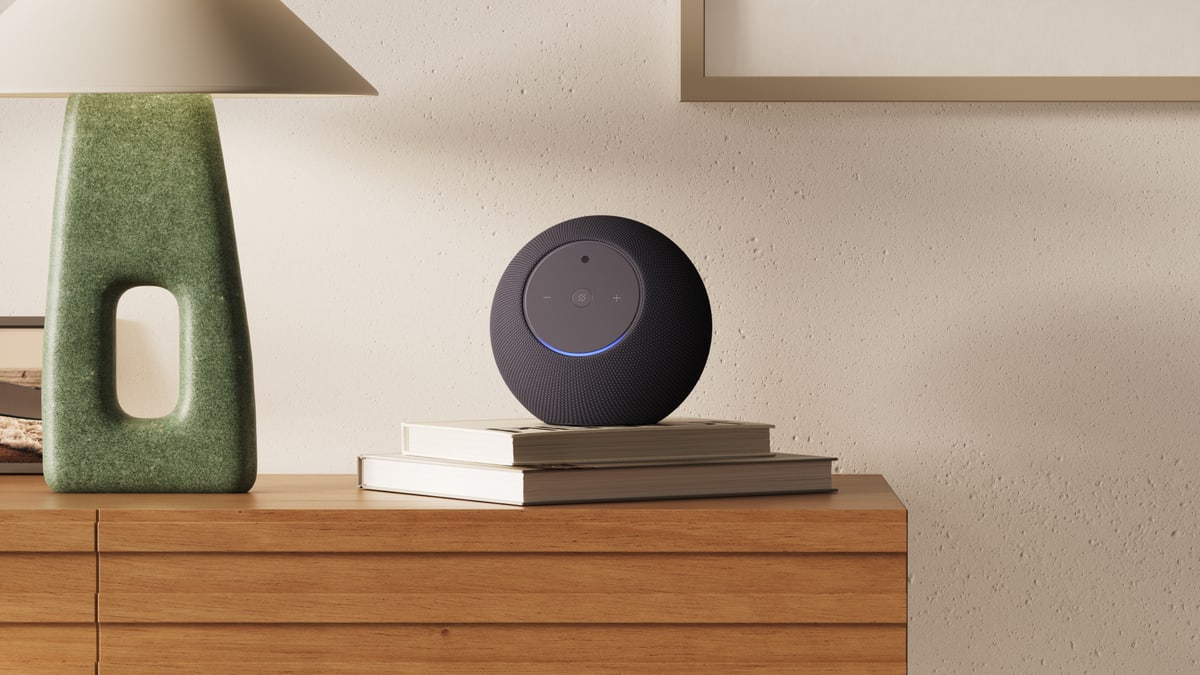
Amazon's new Echo Studio with Home Camera, on sale from Oct. 28 for $249.99, adds a camera that Amazon says lets its Alexa+ assistant recognize things you show it, such as a box of cereal, or explain the rules of a board game you hold up. It costs $30 more than the regular Echo Studio, which has no camera and stays on sale. Amazon's announcements do not say how long pictures sent to its cloud are kept.
-
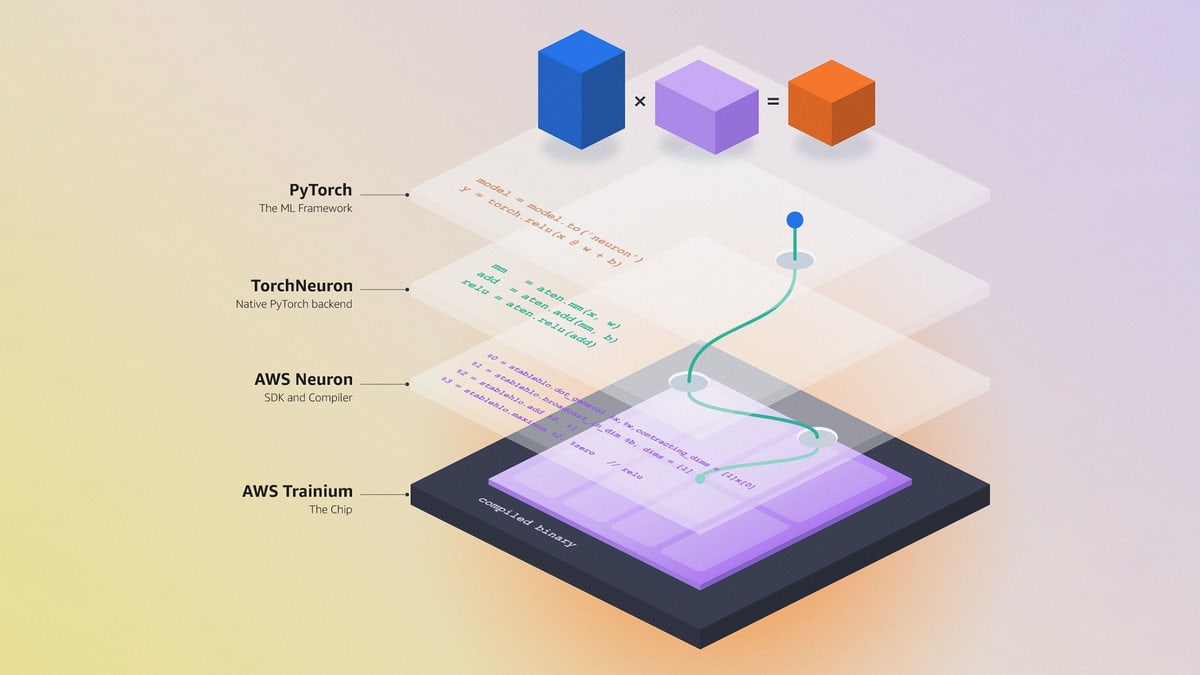
Amazon says TorchNeuron lets code written in PyTorch, the software most AI developers use to build models, run on its Trainium chips by changing one setting. Amazon says moving AI code to new chips has meant months of rewriting. The tool opened to developers as a test version on Oct. 20, and Amazon's announcement gives no new figures comparing Trainium's speed or cost with Nvidia's chips.
-
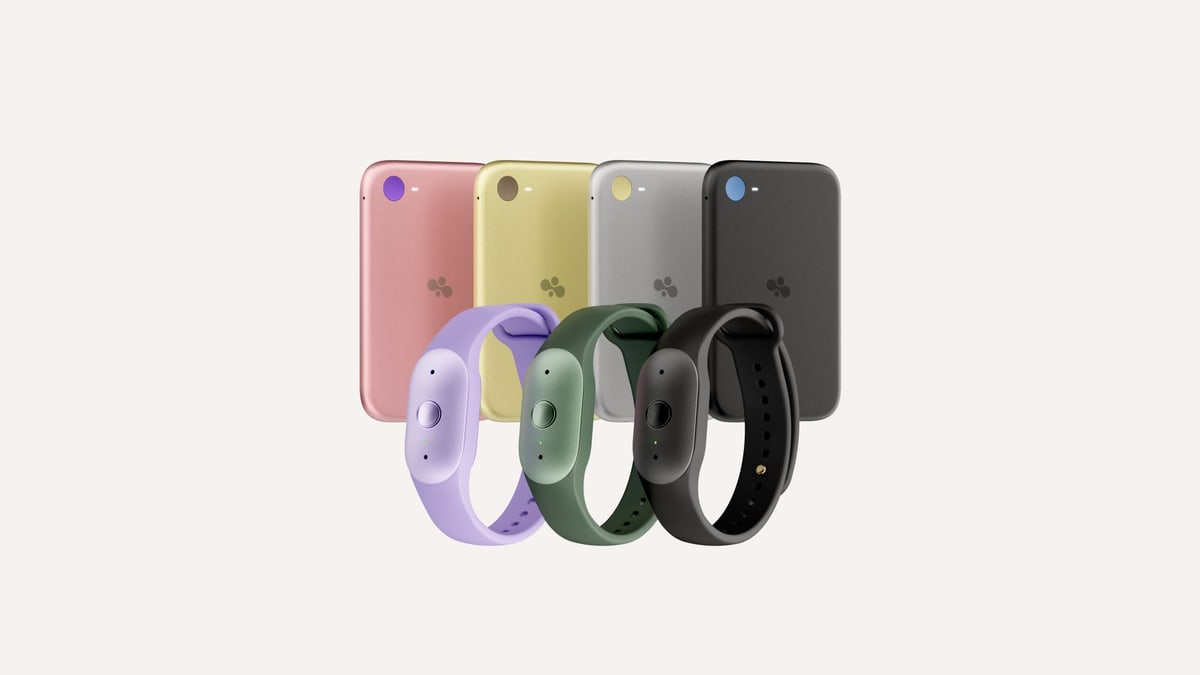
Amazon's Bee Frontier wristband, on sale now for $74.99, and its Bee Eclipse phone attachment, coming soon from $99.99, listen to conversations when switched on and turn them into summaries and to-do lists. Amazon says no audio is kept and only the owner can read the notes unless they choose to share them. Amazon has not said when Eclipse ships or how the other people in a face-to-face conversation would know the device is on, beyond a light on it.
-
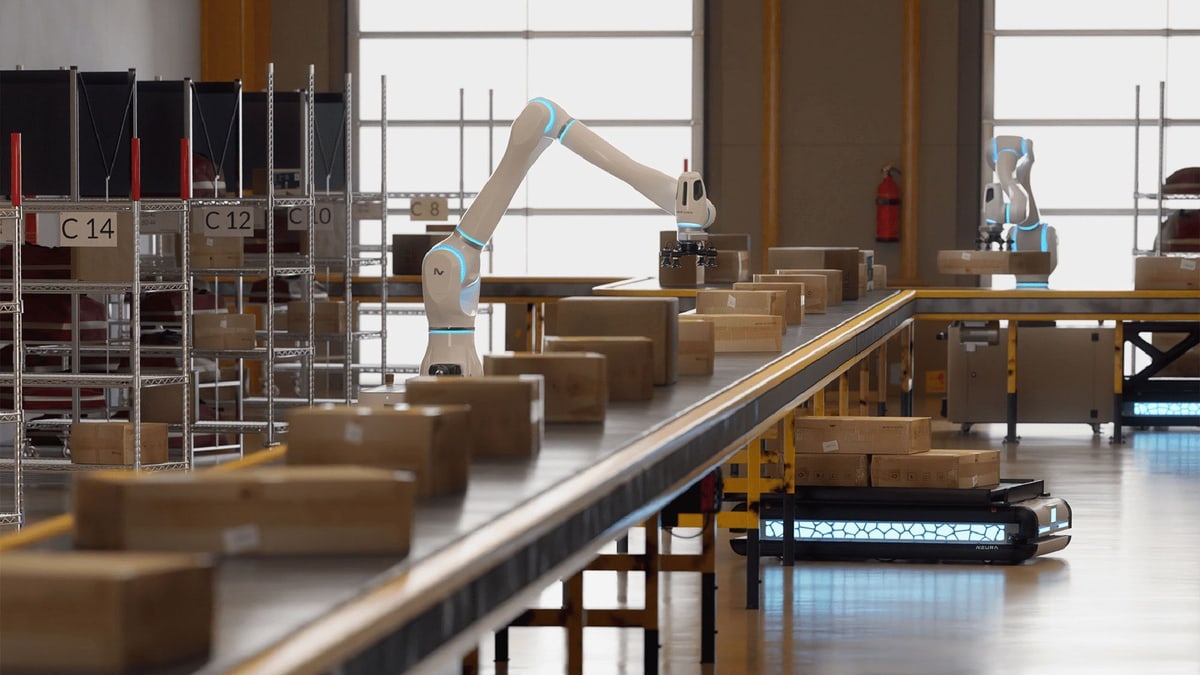
Amazon Web Services has released an open-source kit that strings together the steps of building a robot's AI, from a robot's recorded work to testing its AI in a computer simulation and loading the finished AI onto the robot. The code is free, but it runs on Amazon's paid cloud and NVIDIA's robot software. Amazon has not said what a typical project costs to run.
-

Amazon says it will spend more than $1 billion over five years on free community college, job training, energy upgrades and local projects in U.S. towns that host its data centers, and that it no longer signs nondisclosure agreements with the government agencies it works with on those projects. The pledge comes amid a growing backlash against the data centers being built for AI. Amazon has not given a full breakdown of the money, and the change on nondisclosure agreements applies only to new ones.
-
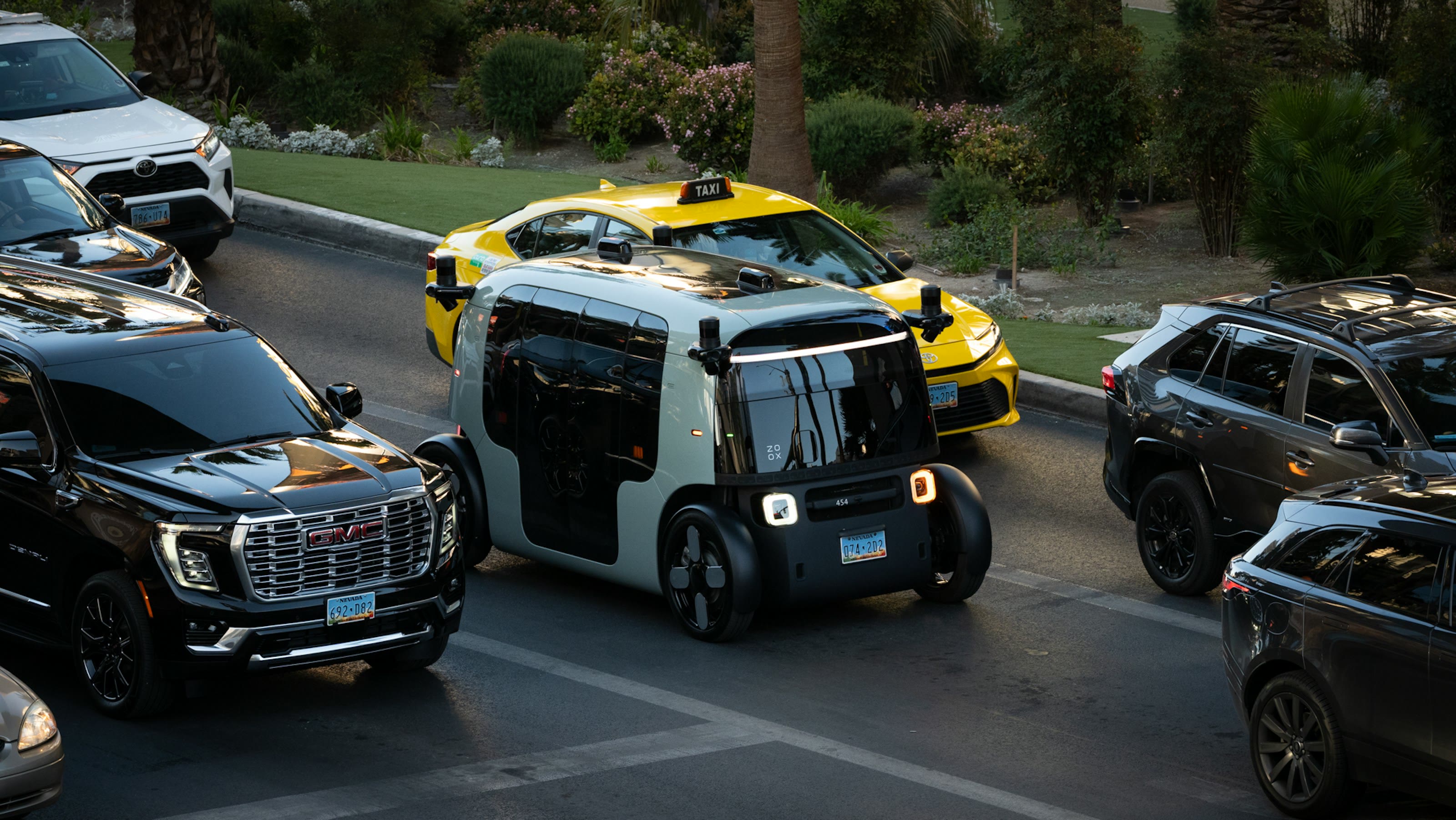
Amazon-owned Zoox began offering robotaxi rides to and from Las Vegas's Harry Reid International Airport on Sept. 3, 2026, with pickups at both passenger terminals. The rides build on a July exemption from the National Highway Traffic Safety Administration (NHTSA) that lets Zoox charge fares in up to 2,500 of its driverless vehicles a year for two years. Tesla, Uber and Waymo have also won permits to run robotaxi services in the Las Vegas area, according to a news report.